Things I did not Imagine about Olive-picking (in Mallorca)

Olives in Cala d'Or

In November we all went to Cala D’Or, Mallorca, Spain. It was not the usual sightseeing trip. I actually talked my friend into letting us pick up olives at her dad’s olive orchid. I always wanted to live through this experience and to know what it is like.

Olives in Mallorca

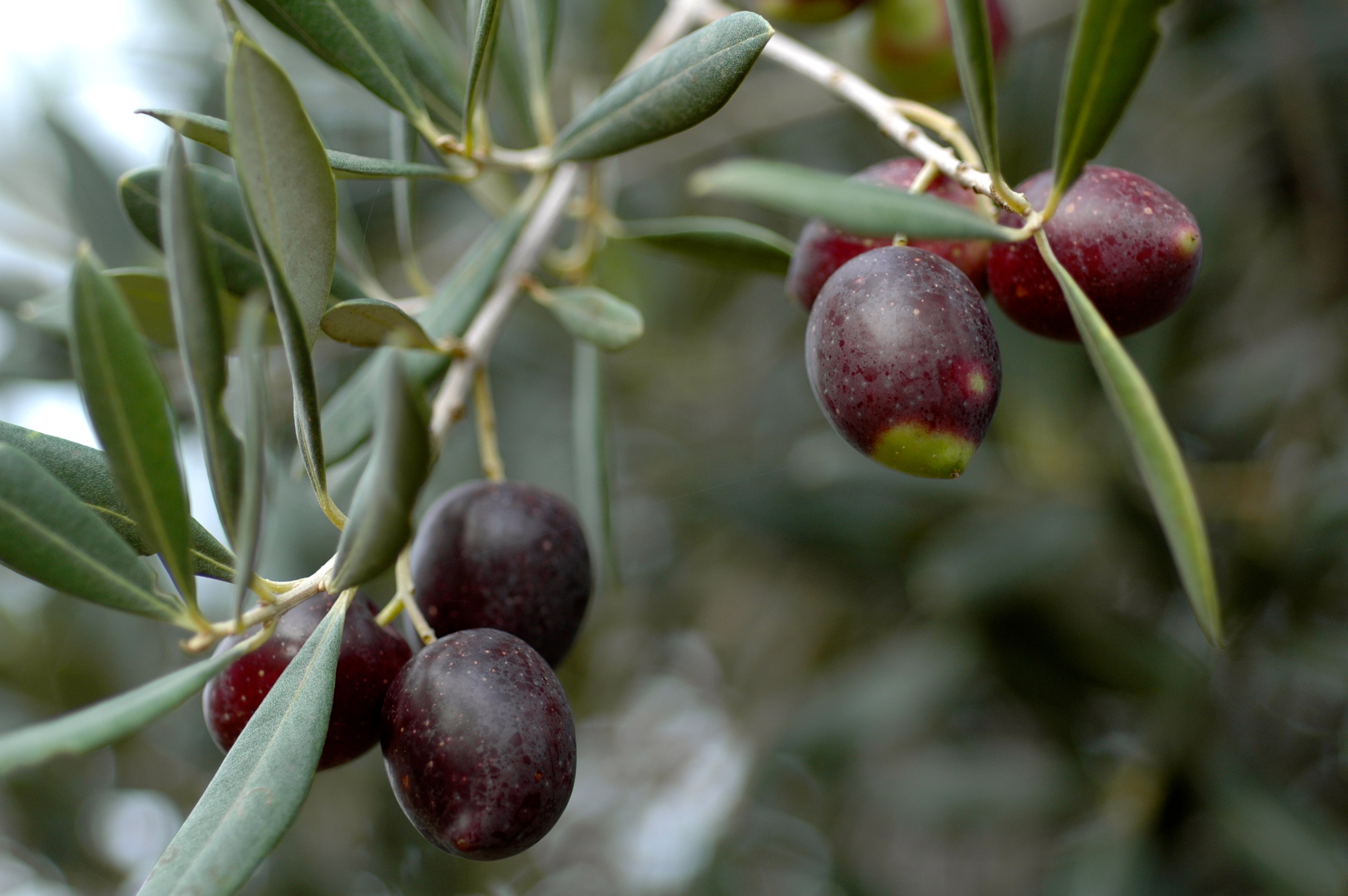
So, here is what it is like. First of all, once you start picking olives you are amazed at the softness of the touch. You would imagine that olive-tree leaves would be thorny. They are not. Actually, they are exactly the opposite, the olive-tree leaves are smooth, velvety and gentle. You end up wanting the leaves to touch the skin of your hands.

Olives

Olives are also smooth and silky. Being an avid olive consumer, I have never thought that olives on the trees have such a sleek skin. Delicate is the adjective that comes to my mind when sharing my olive picking experience. Olives are strong and not delicate, but the way they treat your skin is delicate. Somehow it felt like they did your skin a lot of good.

Olive trees in Mallorca

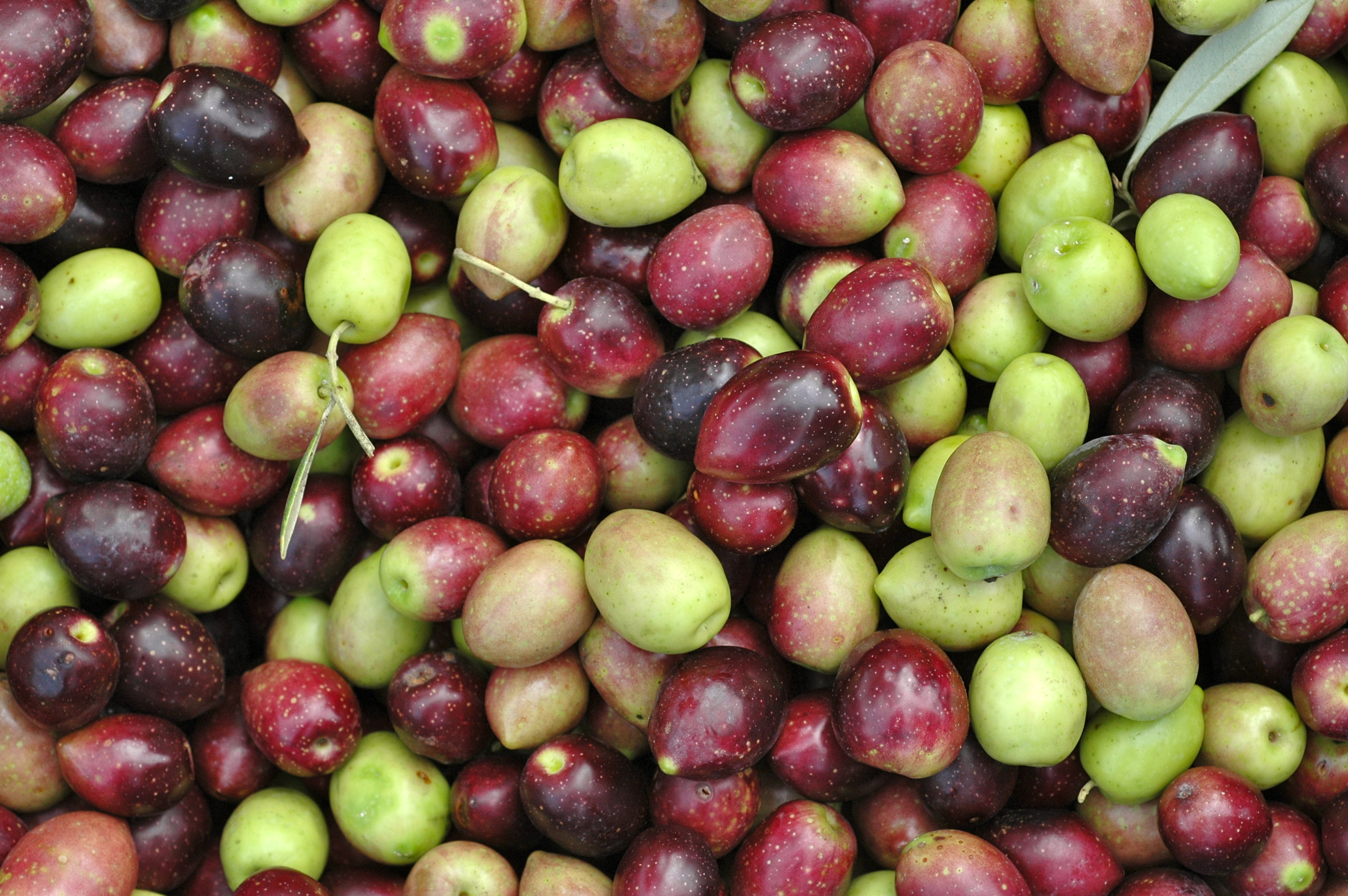
In my friend’s olive orchid olives were very big. When you hold one in your hand it looked more like a small plum. My friend told me that those olives were not typical for Mallorca, and that when they took the olives to the press all the locals gathered around and commented on the size of their olives.

Olives

Olives on the branches look delicious. My friend told me not to bite them as they taste horrible. She was right. I am still a kid. I could not withhold myself, and did try to chew on one. Well…. I like them better once they have been cured or even better as the golden-greenish thick olive oil. Having touched the olives on the trees changes the taste of olive oil forever.

Olives in crates

If you have a chance to pick up olives, do it!

Barcelona, March 3rd 2013

Street Signs in France

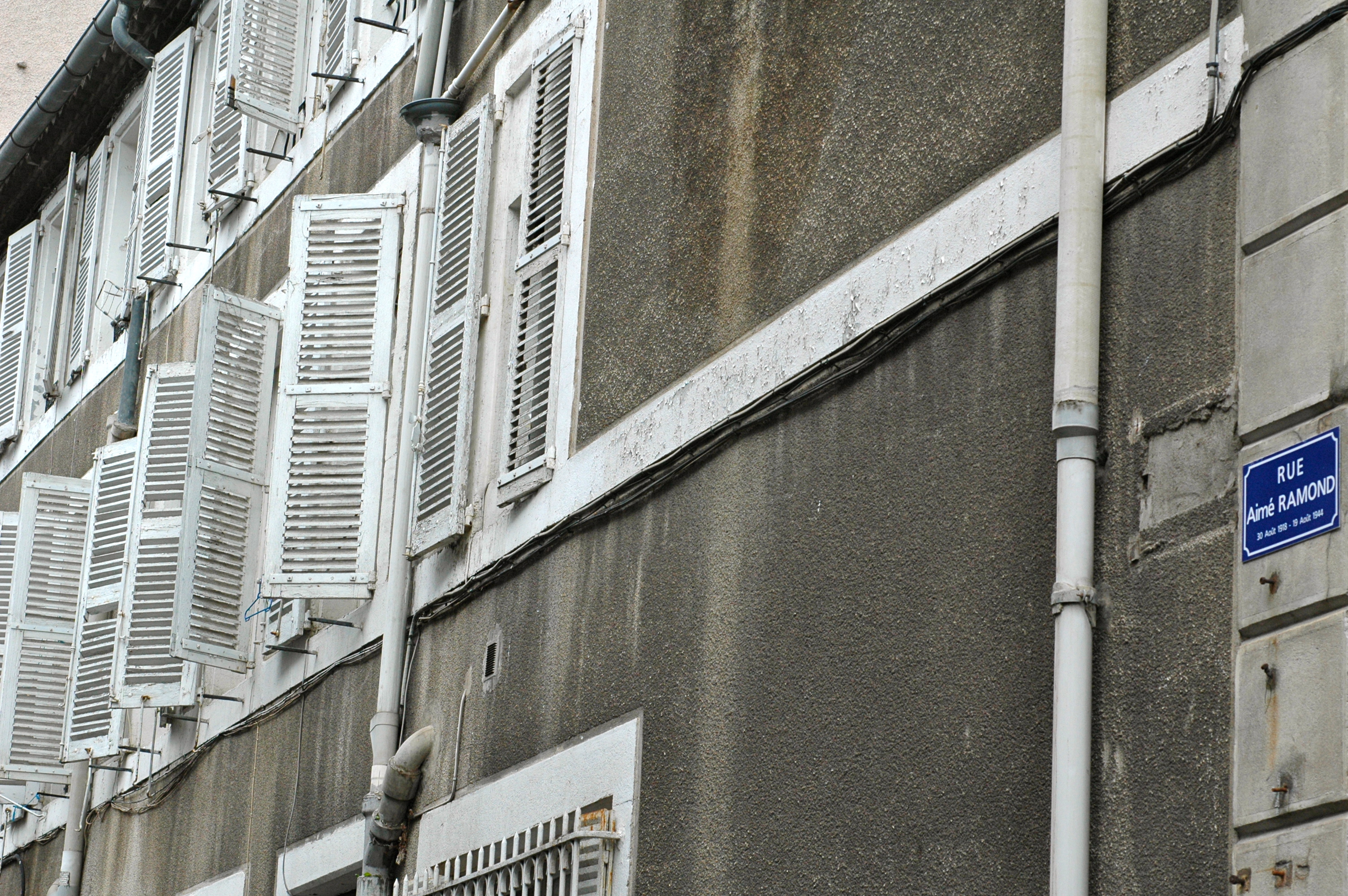
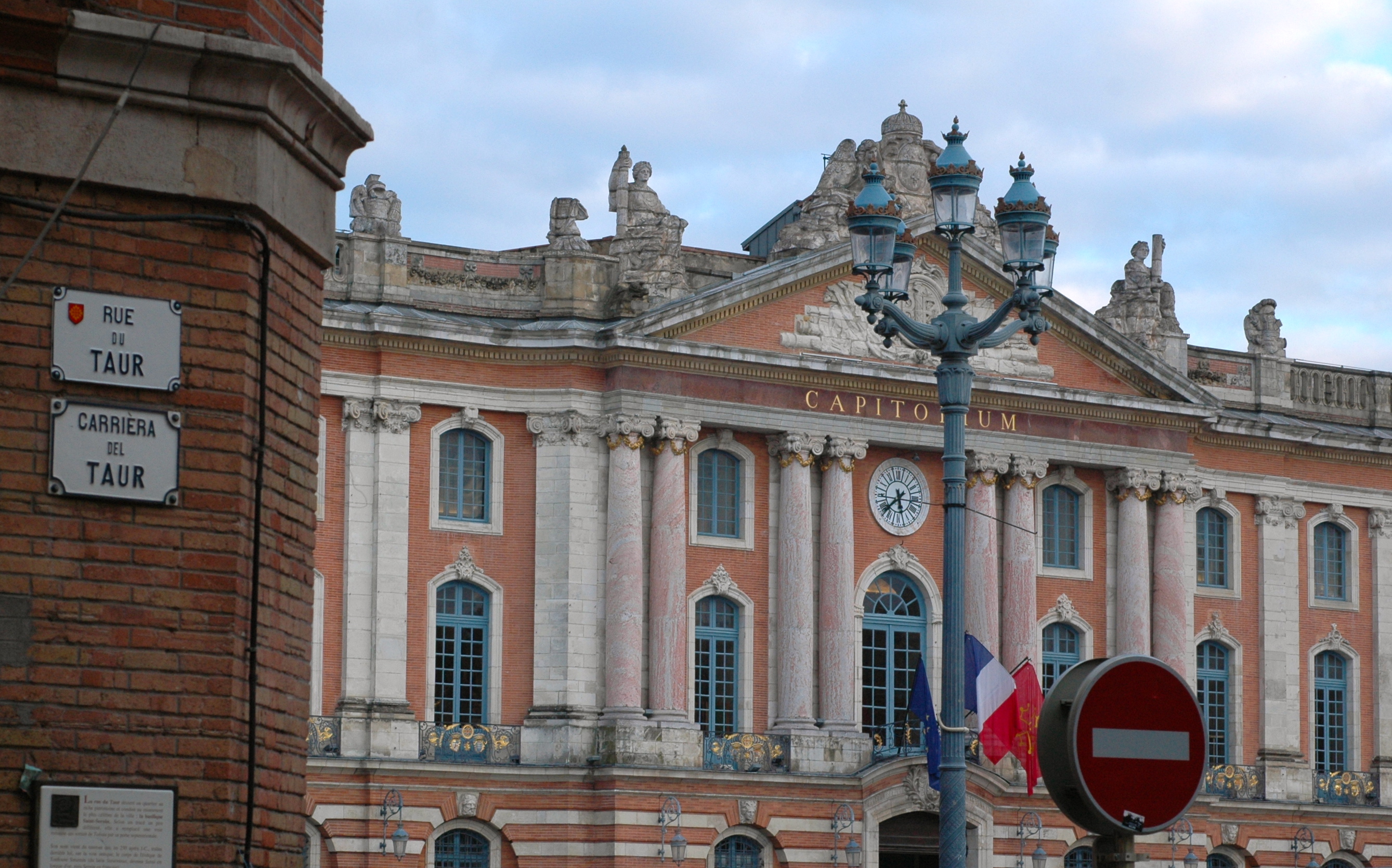
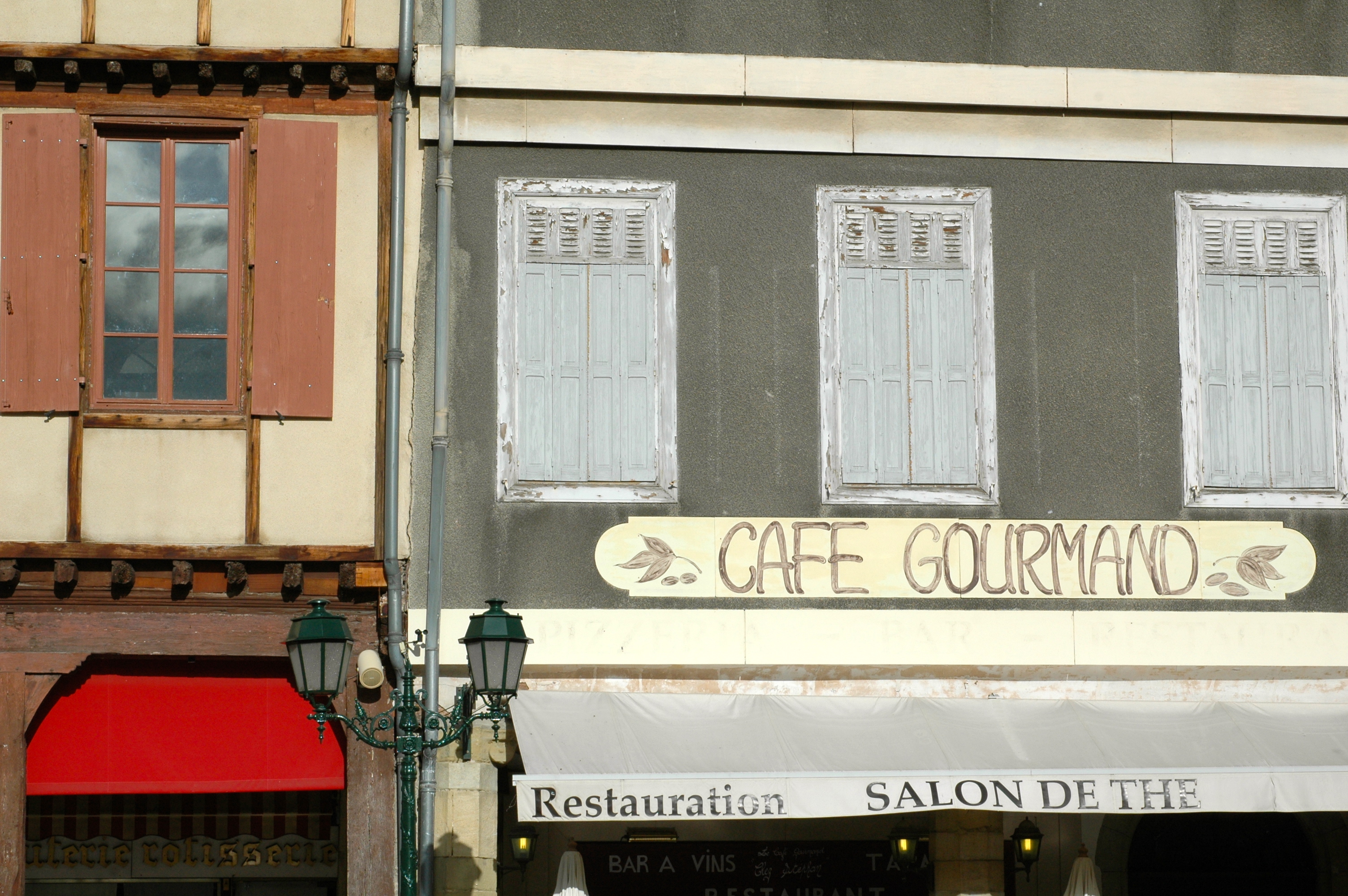
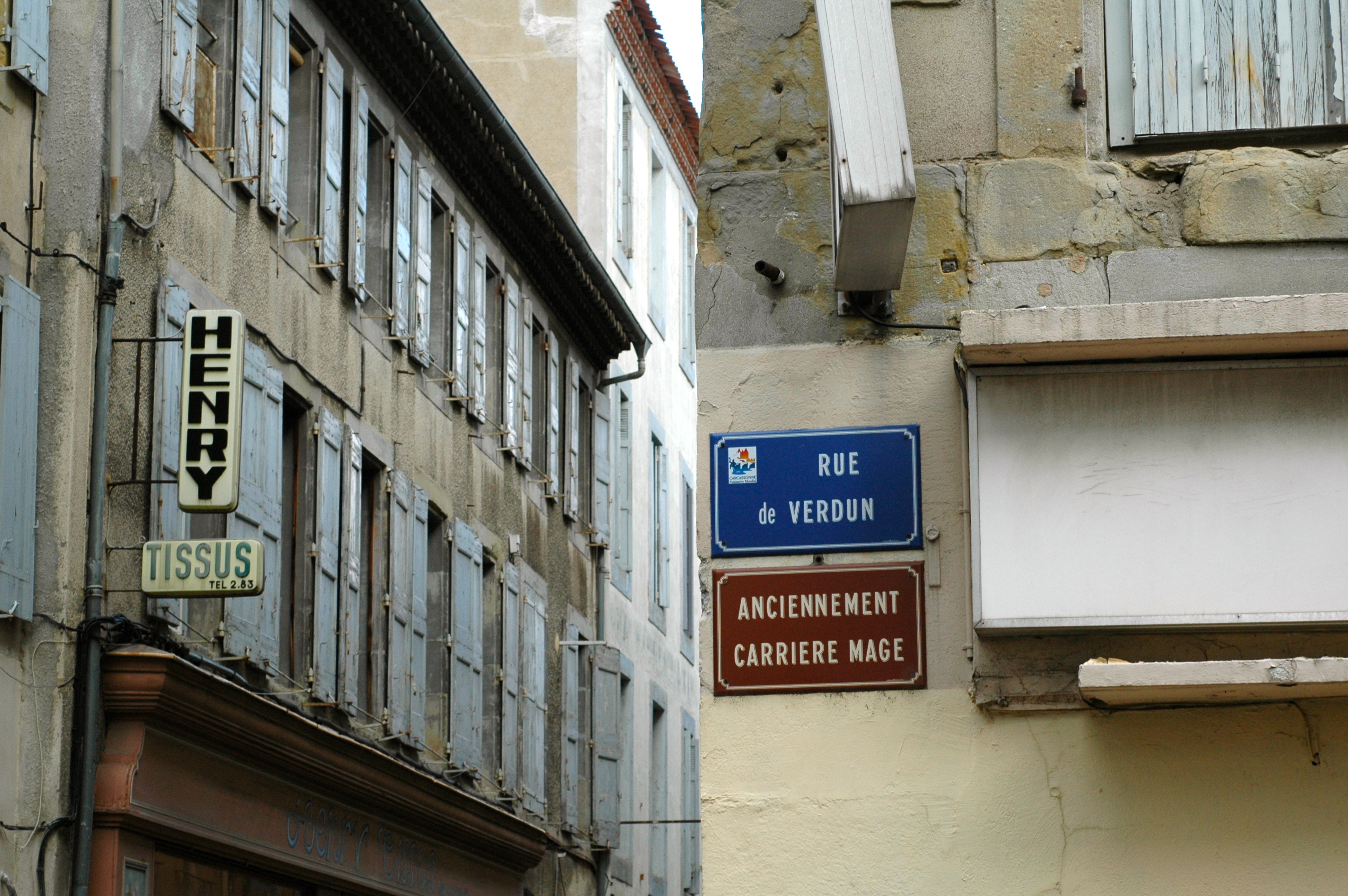
Street signs CarcassonneNot sure if it is the fact that even the street signs are in French here, but I find them very attractive. I like how they look on the corners of the buildings, how they sound when you pronounce them and how they are a part of the city.

CarcassonneThe streets have names and those names have as much personality as the old buildings with wooden shutters.

Carcassonne streetsMany of the streets have two names. The old and the new name.

Carcassonne buildingI love French language. I am probably just a romantic, however, I easily imagine how people lived in those houses hundred years ago. When I see the castles, I see the cavaliers and the merchants trotting in and out; I feel the passion, the wisdom and the villainy of the people. What a world to live in! Do you also think of yourself as a cavalier on a horse galloping along the castle walls with your right hand resting on your spade before falling asleep at night?

Chateau Villerouge Termenes

Castle and houses in southern FranceSome of the castles were converted into housing complexes. Like the one you see above, Chateau Villerouge Termenes. Till 1980s people lived there, there were stairs and couple of apartments inside this castle.

A bookstore in CarcassonneIt is true that French people love books. There are lots of bookstores in France, in each town, city and village you stumble upon bookstores. And people enter bookstores, buy books, read books in the cafes and on the streets. I love the humming of low voices in the bookstores. Makes it very homely. In spirit I am at least one third French, I entered almost all the bookstores I saw on my way and got books.

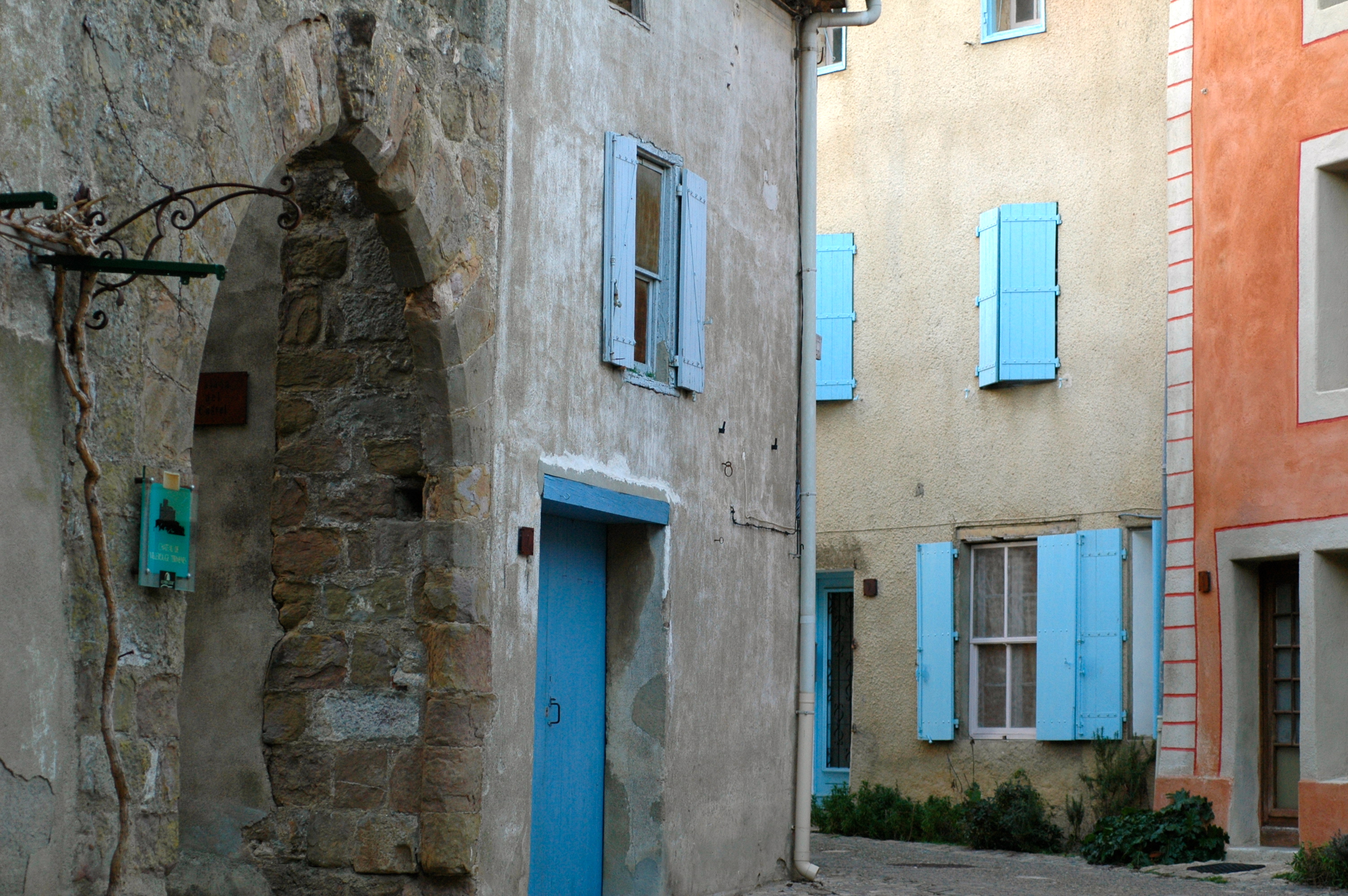
Bookstore in CarcassonneThere are very few things better than books in French. And among those are the houses with blue shutters and people talking in French around you.

House in CarcassonneWell, and the street signs in the Southern France.

Street signs in ToulouseFrance, February 17th 2013

Attached to Languedoc

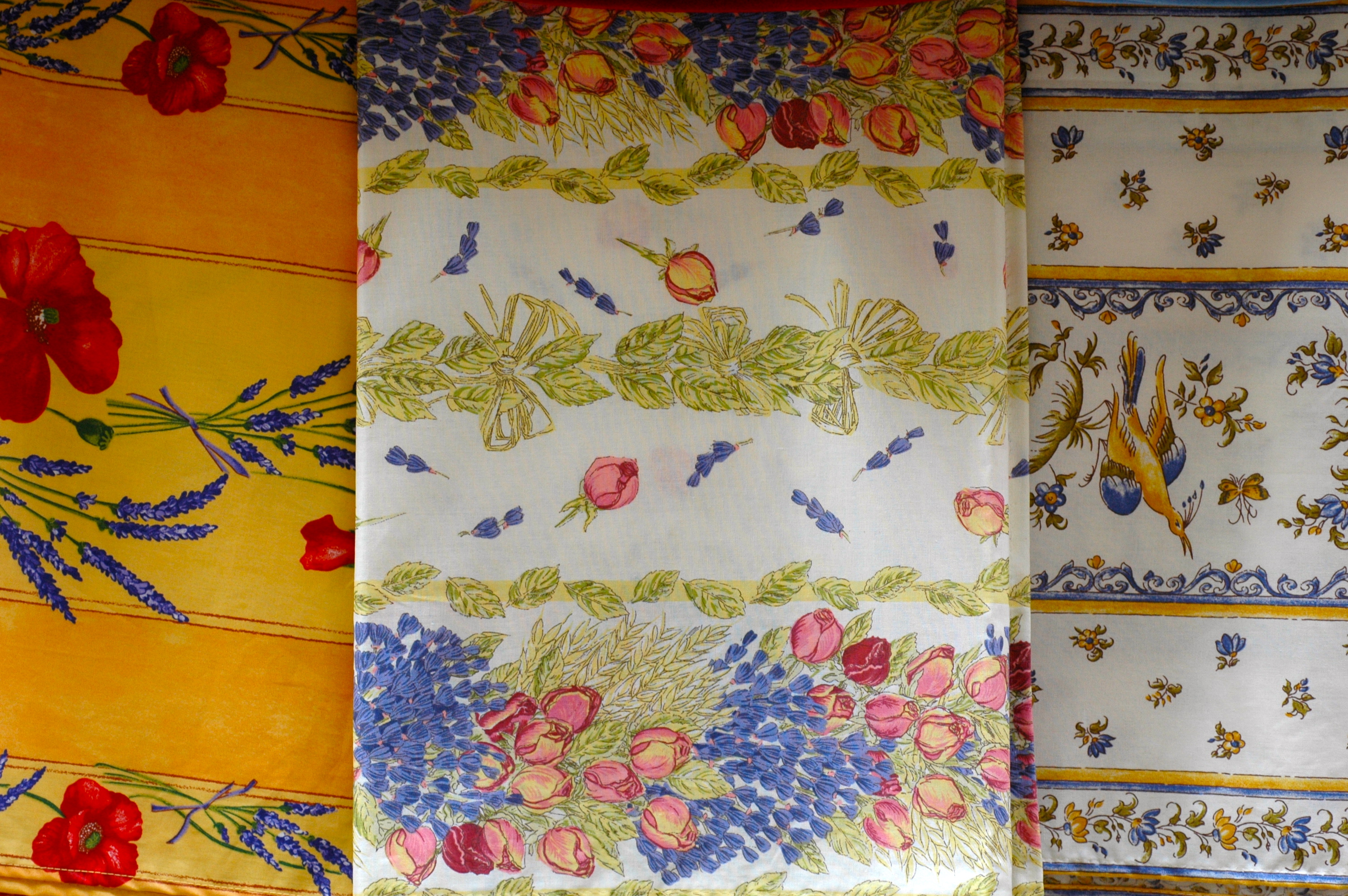
Fabrics for saleThere are couple of things that I really like about Southern France. One of them is the table cloths and the fabrics. Yeap, I am very much into nice table cloth patterns, the kind you can find at Williams-Sonoma in US, and seeing them in Carcassonne made the ones I had more real.

Cassoulet

Le Cassoulet, the typical dish of the region, was really good. In all restaurants in Aude they serve Cassoulet. In some restaurants it is one of the options, in others that’s the only thing they serve. It is made of white beans, sausage and duck. As Mr. Fawlty (from Fawlty Towers) said in the famous series “If you do not like duck, you will get stuck”. Well, something similar here. BTW, it is really good. This was the first time I tried duck and all I can say is that the way French do it, it tastes much better than chicken.

CarcassonneI love how even on cloudy days people are drinking their coffee outside. When it is raining people are still sitting outside; With their umbrellas open, with the their newspaper and their cafe.

a Store in Carcassonne

I also love that everything is in French. Yes, I know we are in France, it is supposed to be in French. Still, it makes me smile and fall in love with French language over and over again.

CarcassonnePlazas are beautiful in Carcassonne. There are lots of trees, cafes, stores. This one holds a lot of charm and we ended every day on this plaza drinking coffee, walking or visiting farmers market.

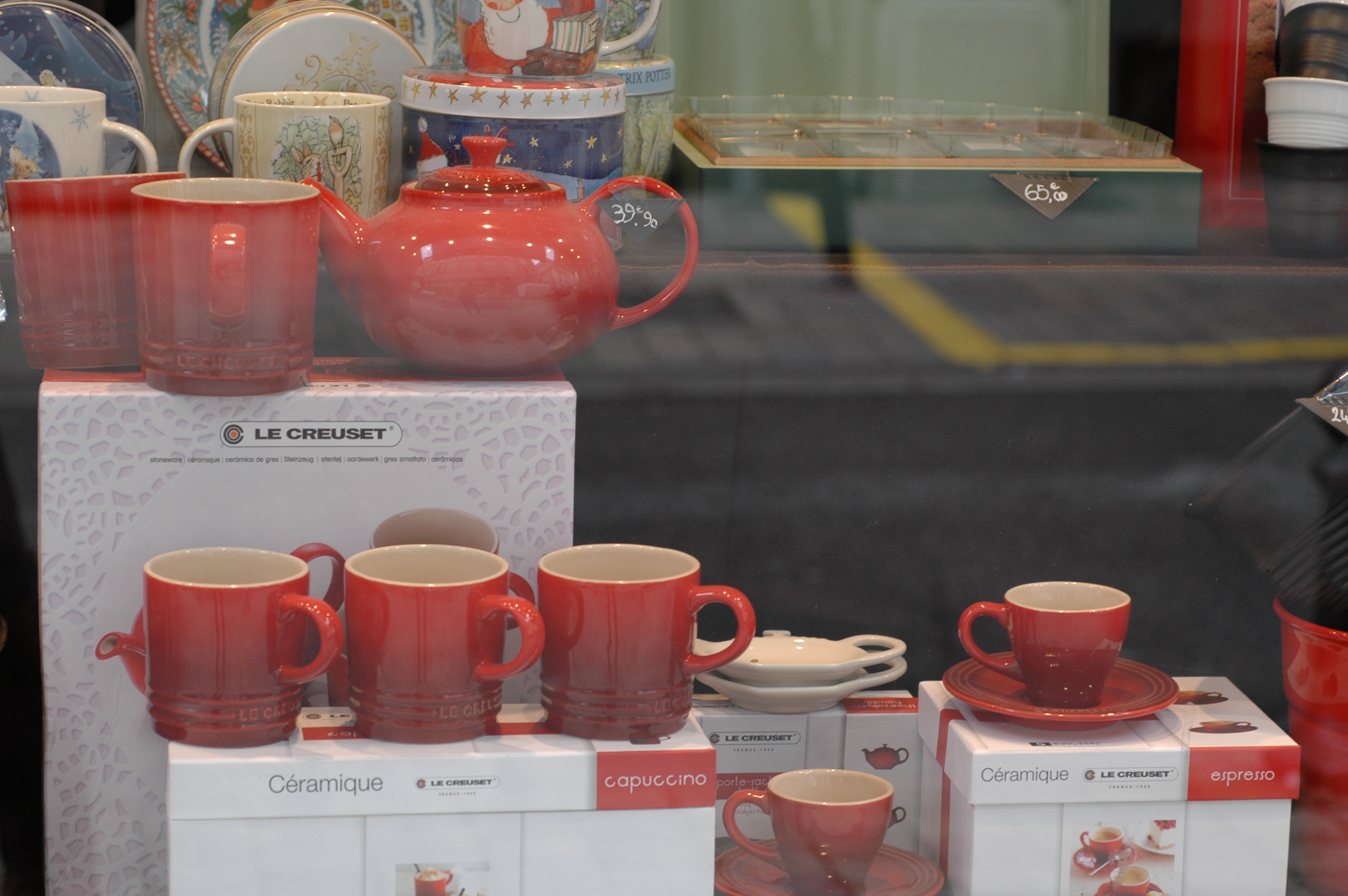
cups in FranceRed and white cups. I had those at home for a while, but seeing them in a store window in France made me smile wide. The color combination and the quality of the ceramic enhance my morning coffee experience every day. This multiplied by three morning coffees daily means really enhanced mornings.

pastries in France Pastries in Cathare region reminded me of Russian bakery. As a kid my mom tried to bake those peaches, but they never came out nicely. Then, we used to buy them in the pastry shop sometimes or friends would bake them and bring them over. Seeing them in France brought some sweet memories. And yes, we got a box of those!

CannelésThose small things in the middle row are called Cannelés. Yeap, the ones that are 1.40E, they are also refereed to as humble French little cakes from Gironde & Bordeaux. Now I know that there must be a way to make them ok inside without burning the outside. And well done they taste very good.

LimouxThe houses in Limoux: Everything looks old, but cared for. It is real, people still use what was built hundreds of years ago. They live there, they do their business there. These long lasting relationships with things and land hold the real magic.

AugeThe houses and shutters are painted in different shades of blue. This one was one of the most beautiful combinations I saw. I know, it is old, but I still find it lovely. It made me dream of living in a house like that and seeing the hills with vineyards from the windows.

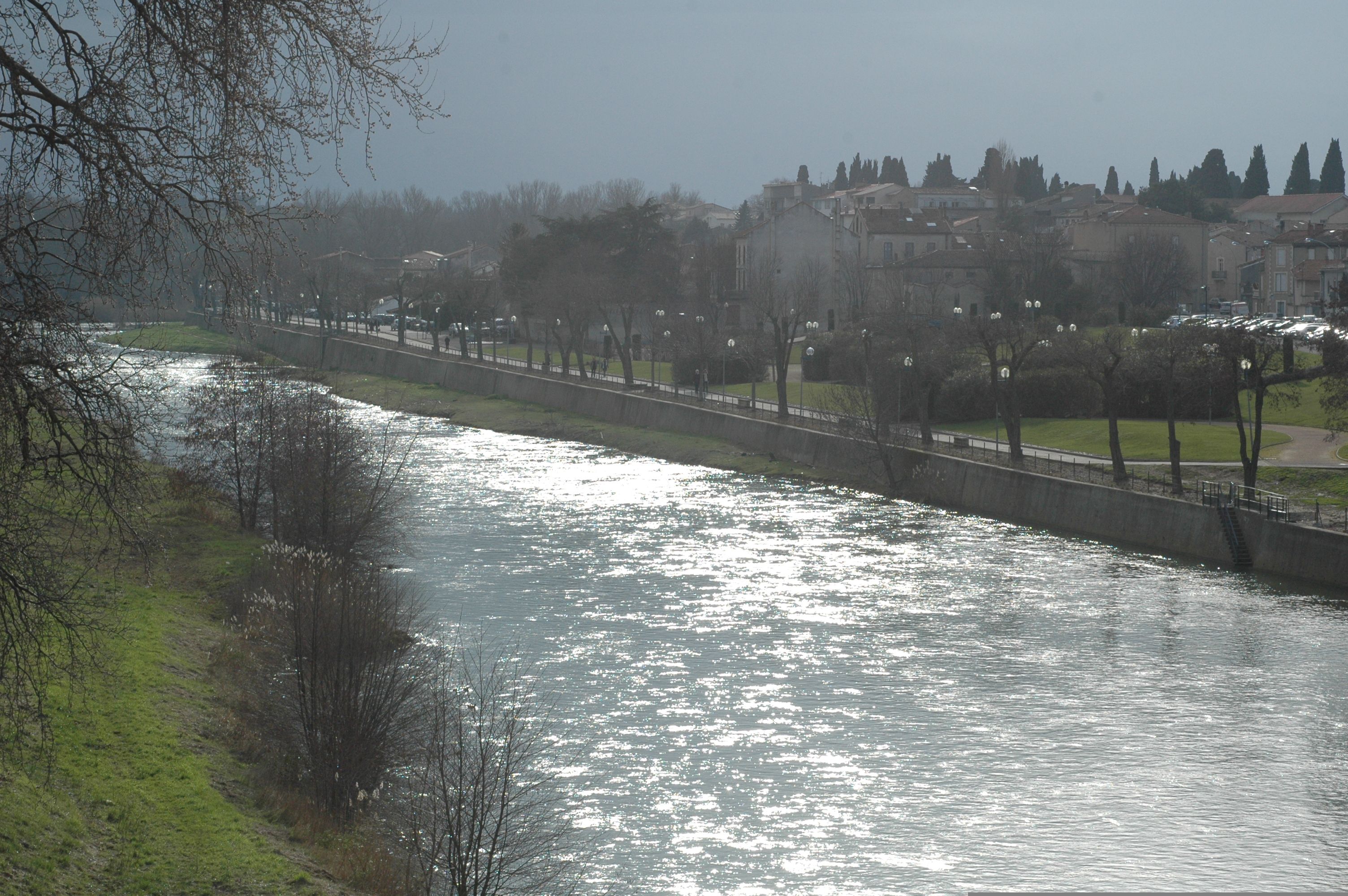
Canal du Midi, CarcassonneOne other thing I love about France is its rivers. They are wide, full of water and always moving. The rivers in France are like Russian rivers: strong, fast, dangerous and helpful. They are not a mere decoration, they are useful. Thus, it made me a little bit nostalgic crossing rivers in France. It also formed a strong attachment to the beautiful Languedoc.

France, February 17th 2013

The Roads of Languedoc-Roussillon

Roads in Corbières

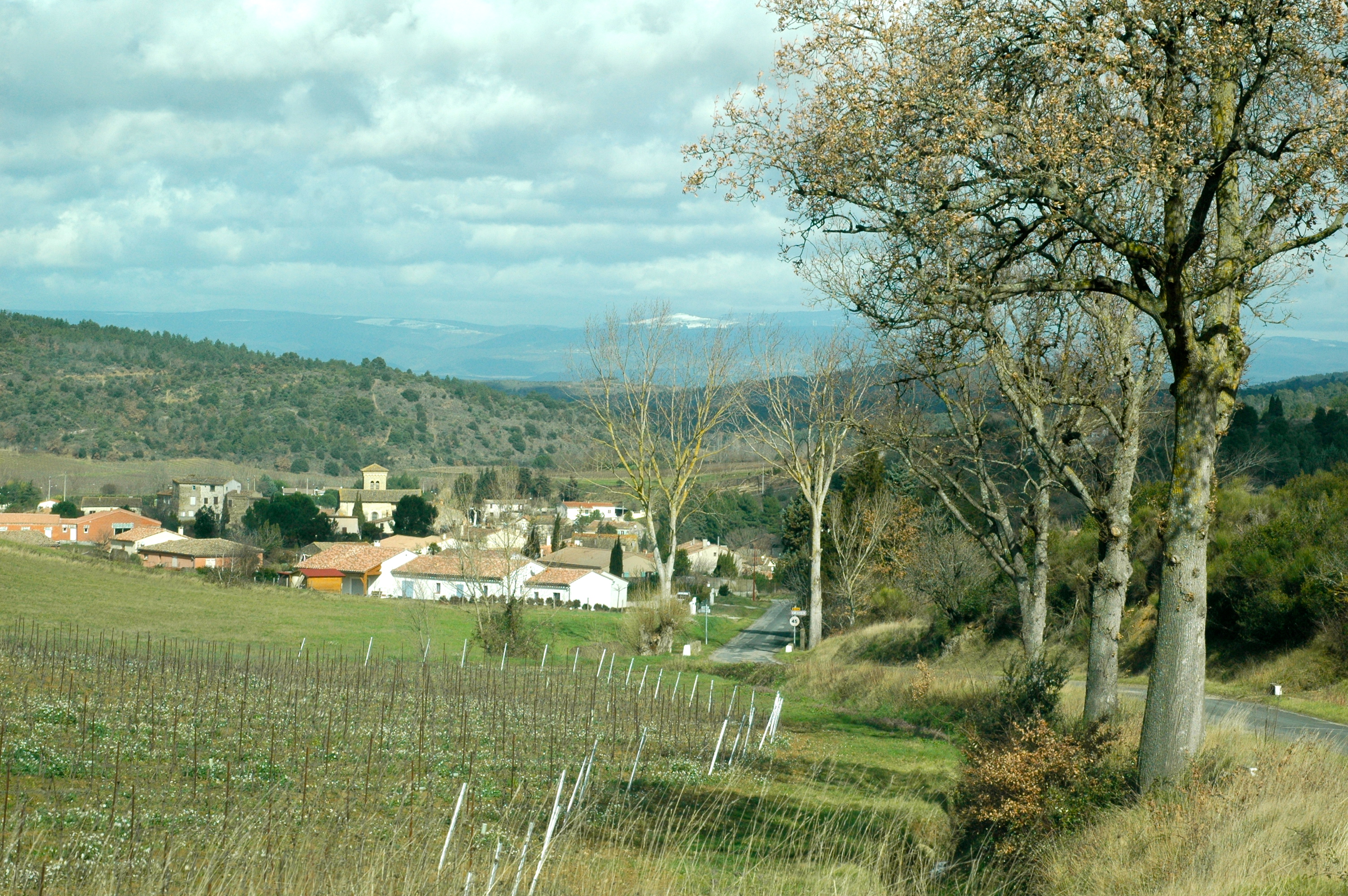
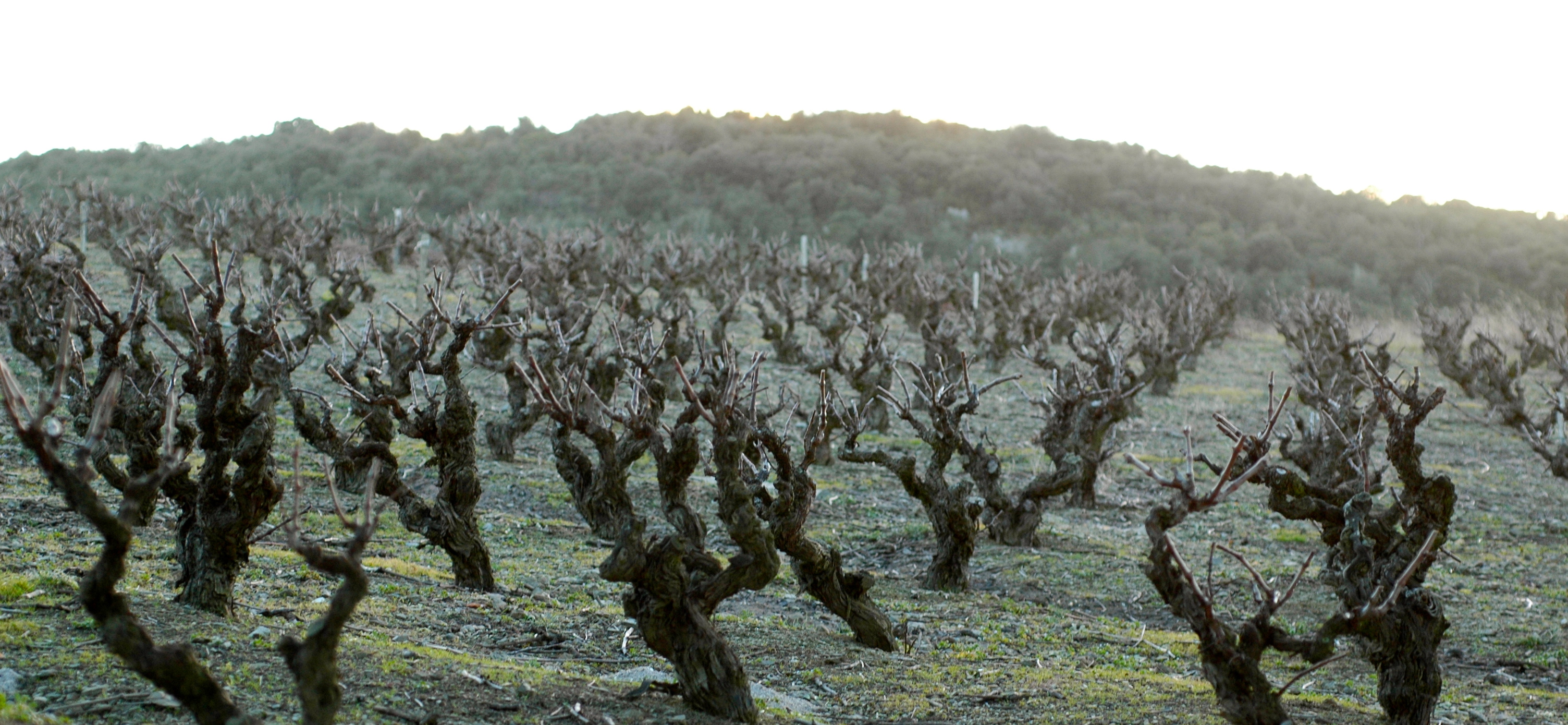
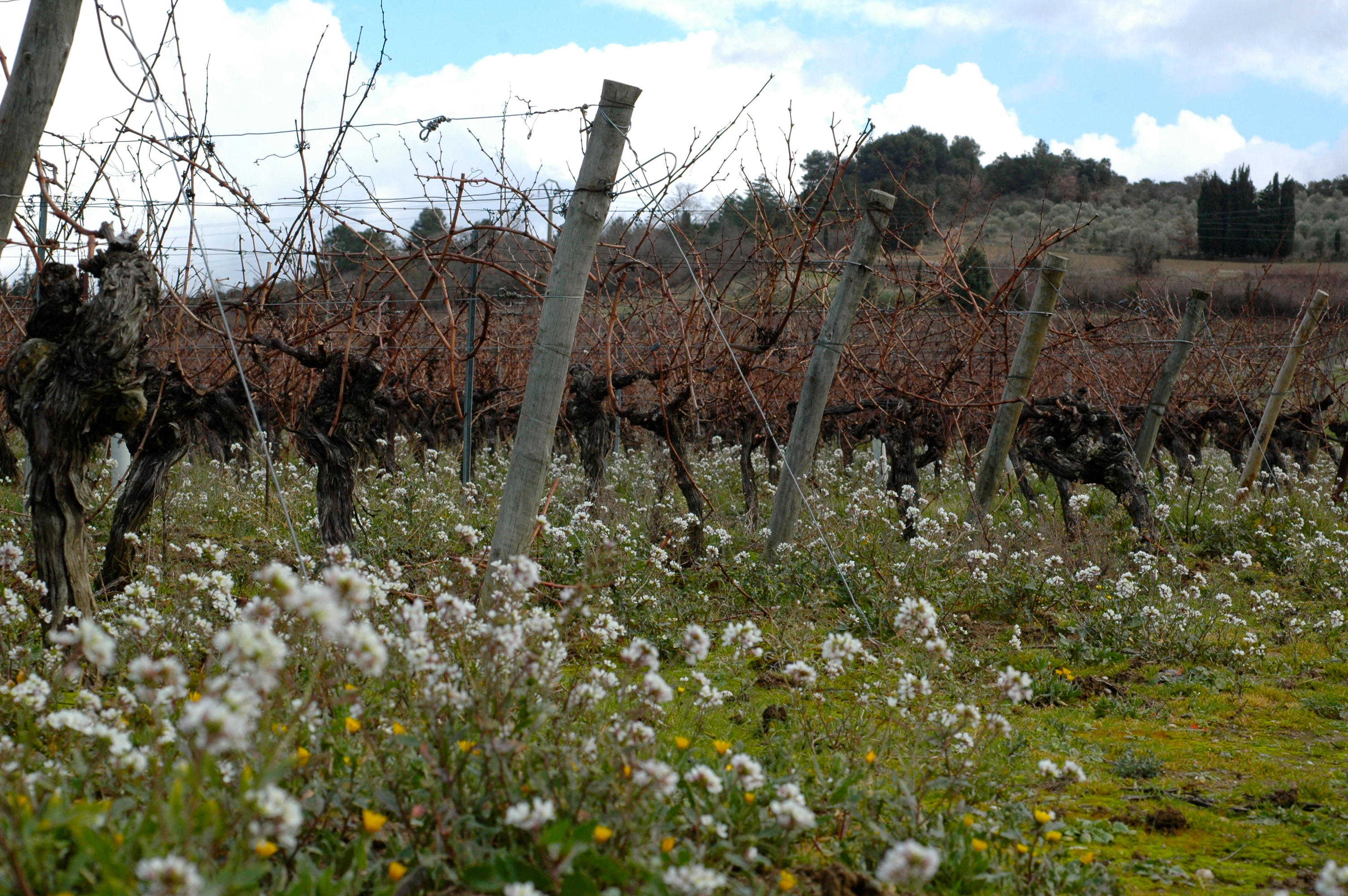
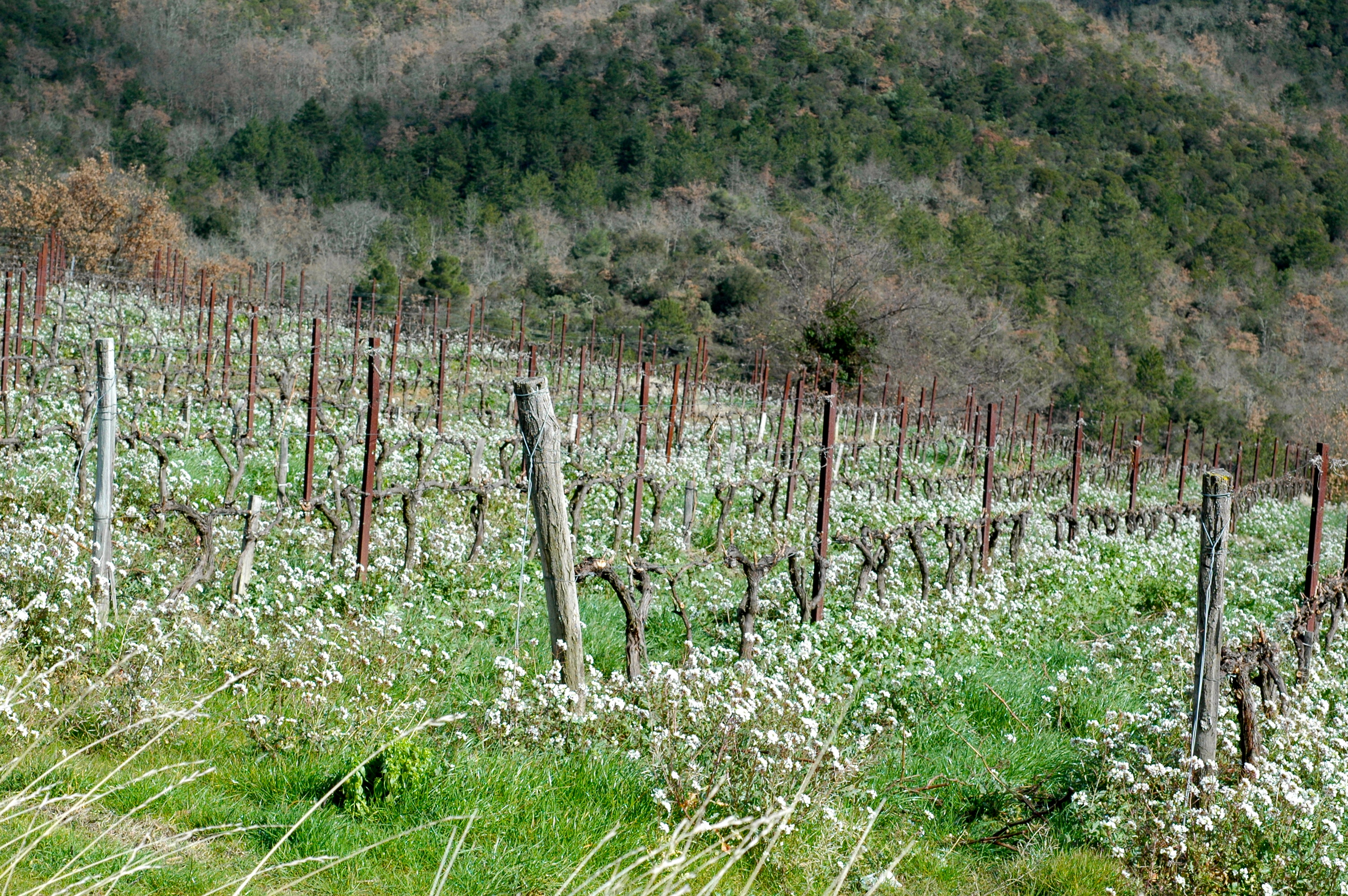
One of the best things about Languedoc-Roussillon are the roads. Specially in February, when the country still looks austere and rough. France is yours while the mass tourism has not landed here yet. You drive across the mountains and hills covered by the patches of vineyards.Vineyards in Villerouge-Termenés

There are no green leaves yet, however, the first while flowers are sprinkled over the grass making the place alive. Those flowers tell you that the spring is about to touch the branches and to make it all grow and flourish.

Vineyards in Languedoc-Roussillon

I liked it very much just like that. Empty. You can sense the power of the mountains, the warmth of the land and the silence of the locals. This is beauty. And you respect it.

Languedoc-Roussillon

On the road to l’Abbaye de Saint-Hilaire we drove through the vineyards. It was an 11 km long road from Limoux to St.-Hilaire that serpentined through the roughed valley of southern France. No cars, no people around. What makes it different from a similar road in Napa Valley (California, USA) is the unity with the earth and the village. In France there are no fences. You drive and the vineyards are there. You can stop and walk along them and through them. You can touch the branches, have a picnic next to the vineyard and be part of it.

Languedoc-Roussillon

The valley of Corbières and its roads, vineyards, villages and castles are magical. The history is right there, the people are right there and you are right there and a part of it all. I love being a part of the place where I am at that moment. I am enchanted by the fact that there is only one bakery in each town, one school, one post office, one fruit stand, one grocery store and one or two cafes. And there are road signs telling you where is what. You buy bread like locals buy it. You eat when they eat. And to be able not to be a tourist is amazing.

Signs to Saint-Hilaire

It is powerful to be able to be local. It is the fact of accepting what is around you. It is the matter of truly enjoying it; To like the cold air of Languedoc-Roussillon region; not to mind that there is no sun for days; And to enjoy the rain. It is great to feel the softness of the damp and warm earth under your feet in February, even if your boots get completely dirty.

Castle Villerouge-Termenés

I am glad that Pays Cathare had almost all the stores and tourist attractions closed in February. The roughness of the country, the narrow roads and the cold air make you feel strong and happy. The silence of the villages makes it real. The hills are unattractive and the snow covered Pyrenees, that separate you from Spain, make France your home.

Castle in Languedoc-Roussillon

France, February 16th 2013

Beautiful, Relevant, Violent. Peaceful?

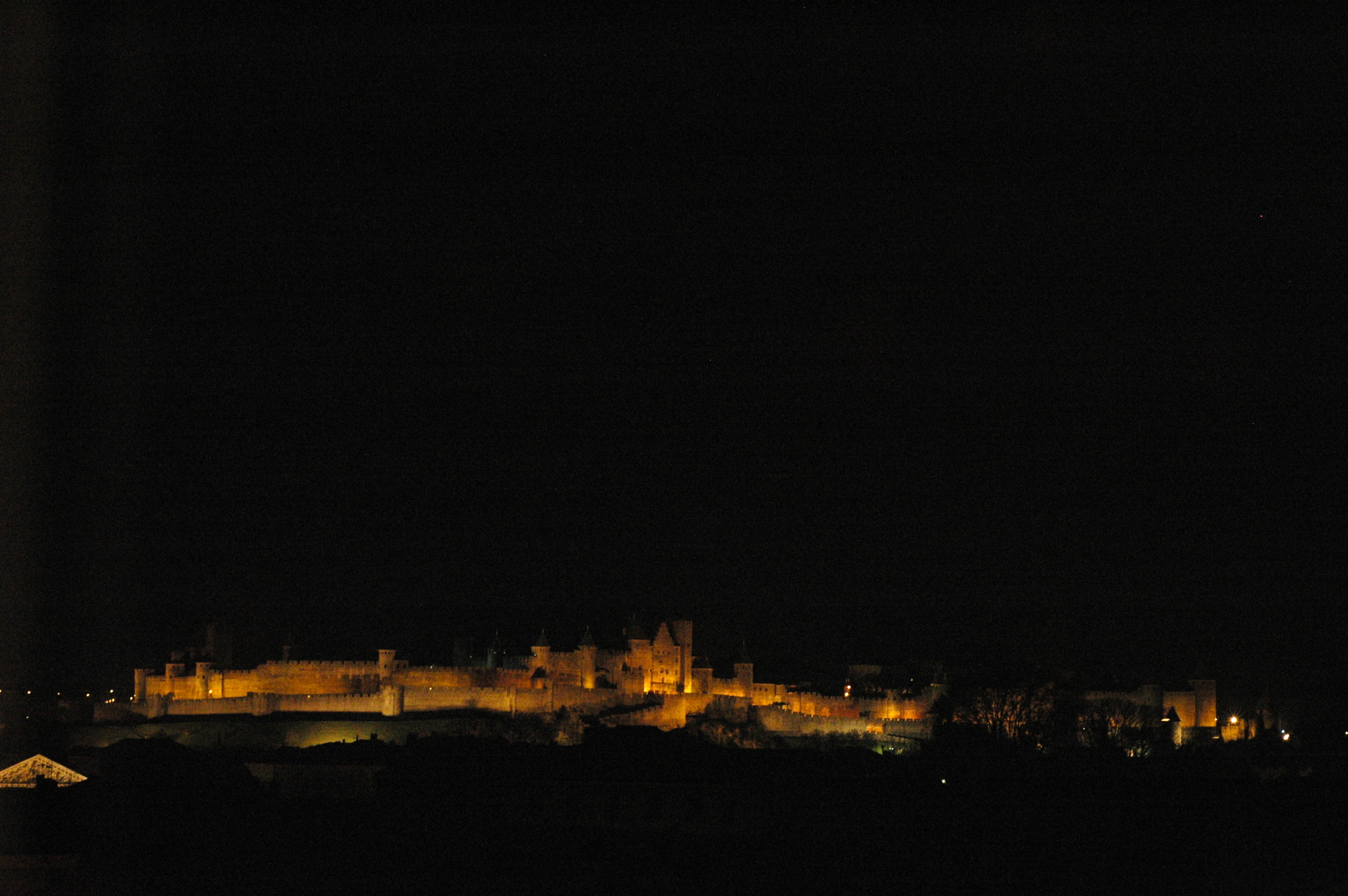
Carcassonne at night

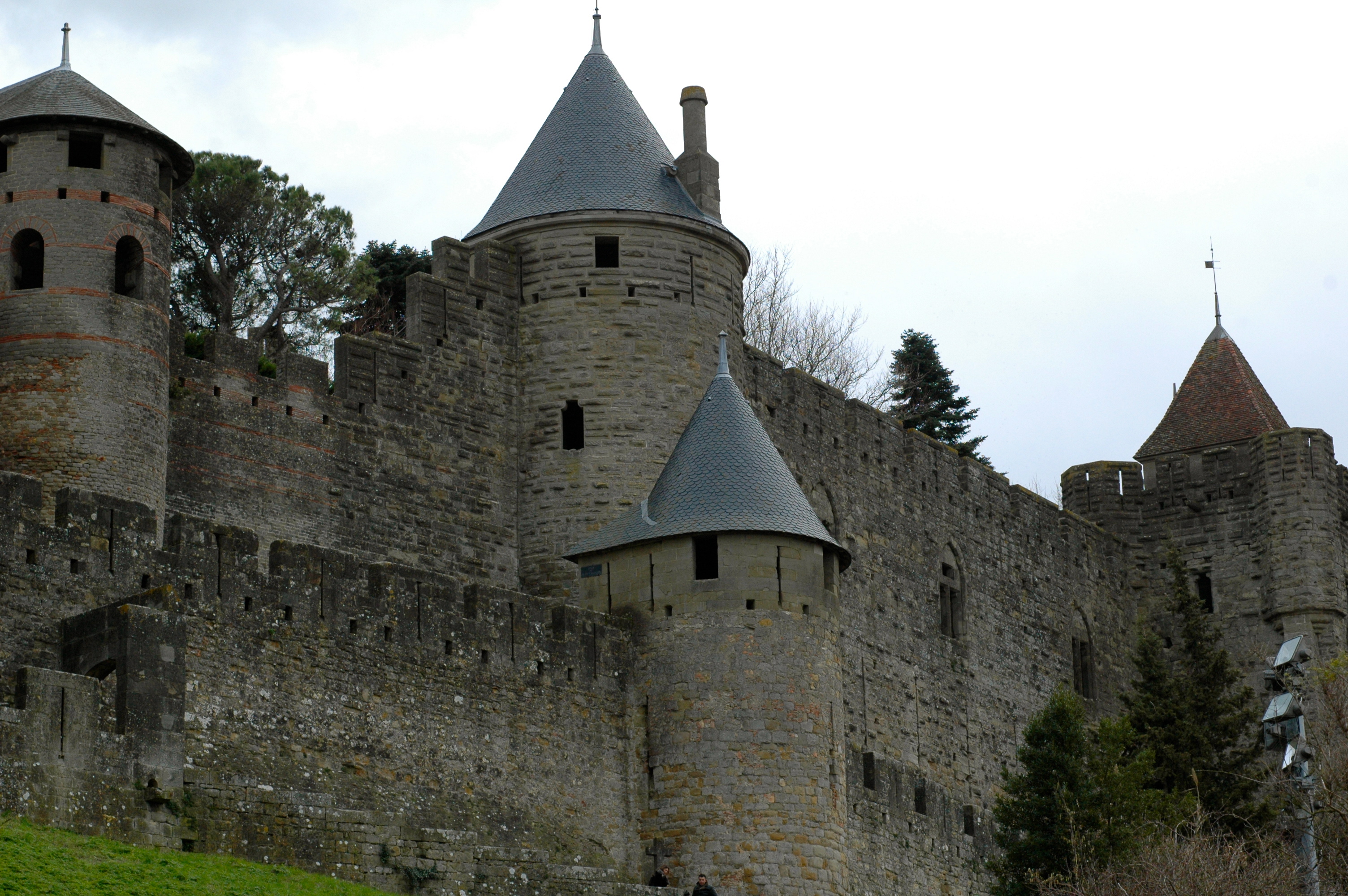
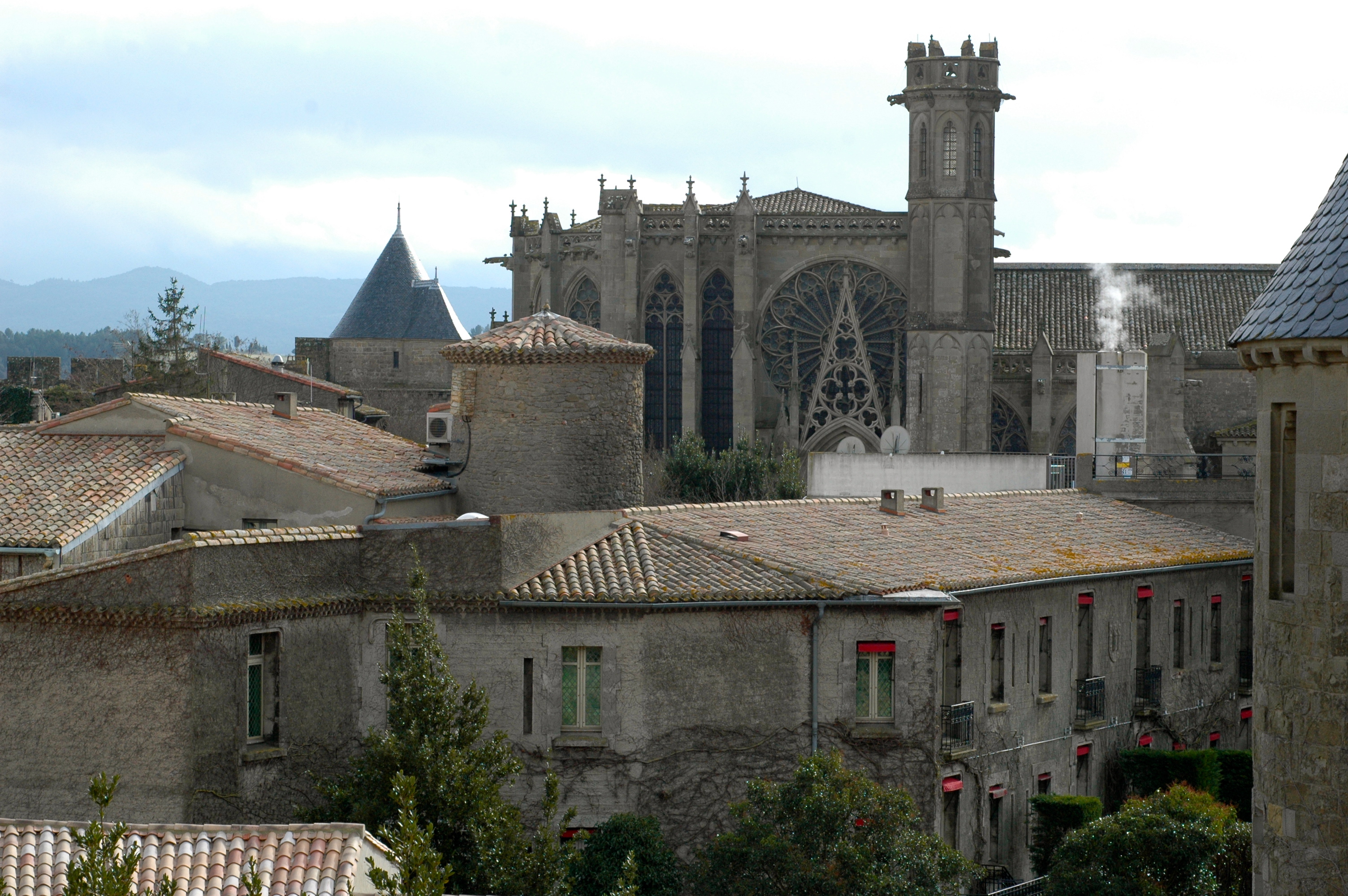
A handful of mixed feelings while visiting Carcassonne fortress. It is beautiful. It is amazing. It was and it *is* relevant. And… violent. The history of Carcassonne is a history of power, fight, violence. It is also a history of bravery, nobleness, hard work and art. And beauty. And it all goes together.

Basilica in Carcassonne

Does it mean no violence no beauty? Does it mean if you are peaceful you can never be relevant?

Carcassonne fortress

Everything that is beautiful and amazing is also intense and painful. Passion and art are tied to violence and friction. Right now that I think of it, nothing that is peaceful ever made it to our days.

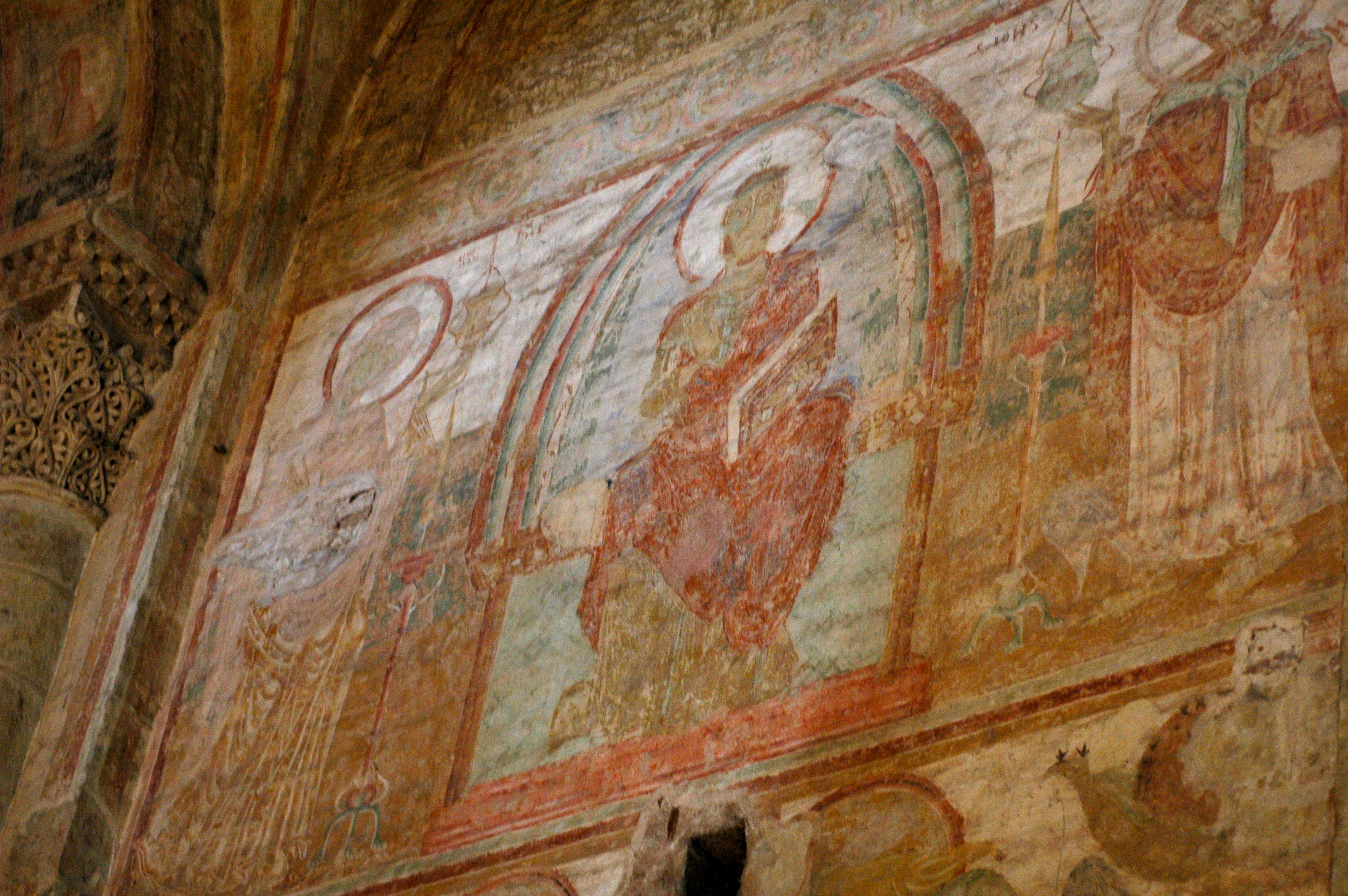
The mural painting in Carcassonne Castle

Religion is full of violence, art is intense, beauty is painful. Whatever amazing survived to our days made it through fight and struggle. And we admire the fruits of it now. Even when we question the value of it, we still admire the effort.

Basilica Carcassonne

Business is the same. Great companies that made it to our days, companies which products we use daily are full of modern violence and friction. Nothing relevant comes with the word peaceful (unfortunately). We long for peace, but admire the beauty.

Carcassonne

I question the value of such beauty. It is a curious mix of sorrow and admiration that I felt while walking along the Carcassonne walls. However, I can’t go against my nature. I feel deep thankfulness to those people who built these walls, who defended them, who fought, survived and died for them. In my heart I appreciate their effort. In my work, in fighting for my vision I am honoring their passion.

Carcassonne

Do not be peaceful, please. Life is intense. Beauty is relevant. Fight for what you are passionate about. Build it, defend it, live for it.

Carcassonne

Carcassonne, February 14th 2013

Absolutely Biased about France

Toulouse

I am biased about France. I like it. I liked it as a kid, reading the Dumas books and imagining how the meat pie and the Burgundy wine would taste; I liked it as a teenager listening to Joe Dassin songs and having lived in France for a year; I like it as an adult so much, that I enrolled my both kids into the Lycee Francaise school system and help them learn French. Yes, I read them books in my broken French and ask my daughter to correct my pronunciation. It is a great experience of learning from my own child.

Driving in France

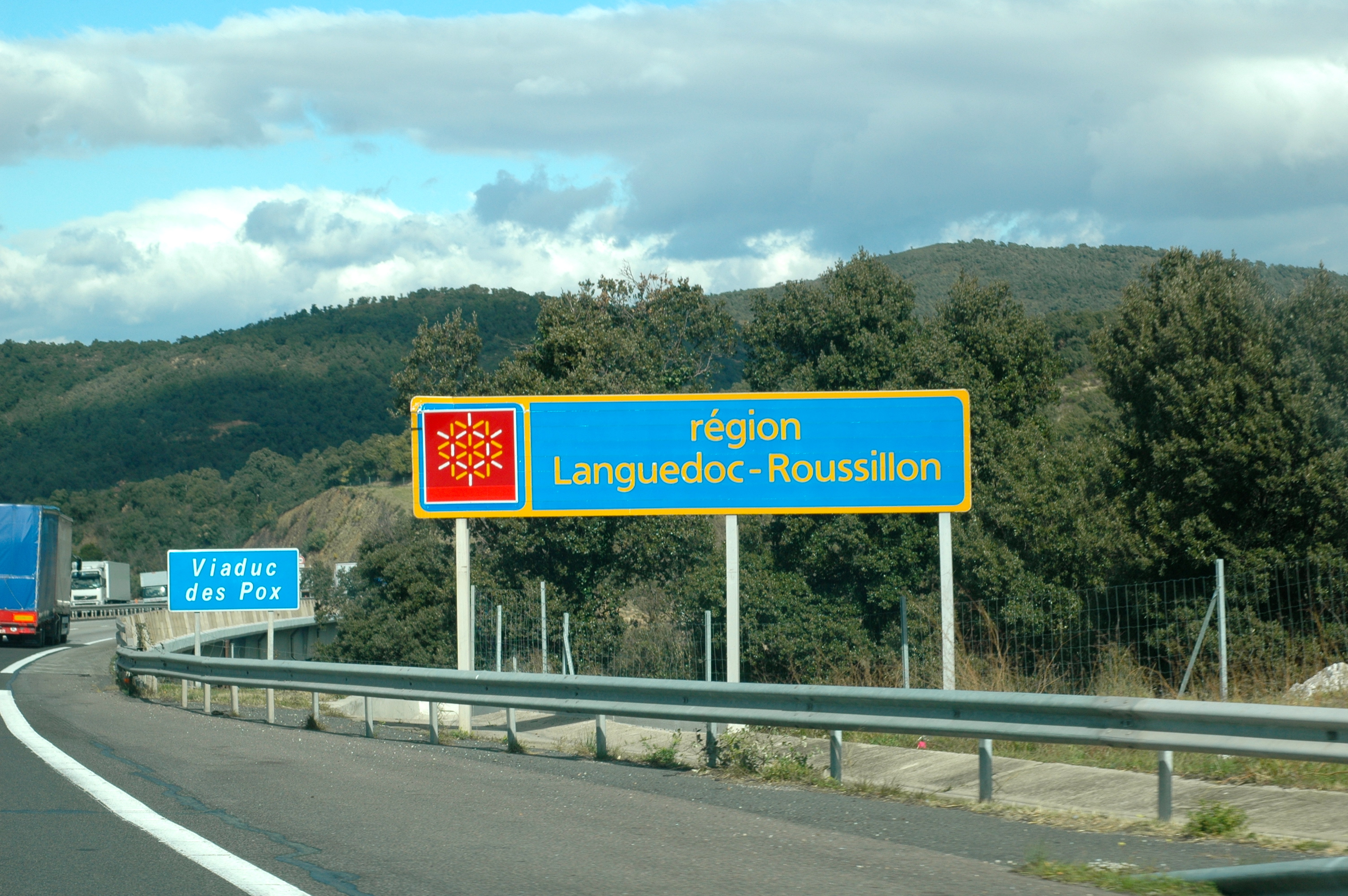
And here we go. Driving through région Languedoc-Roussillon towards Toulouse and stopping in the small villages on our way.

Toulouse

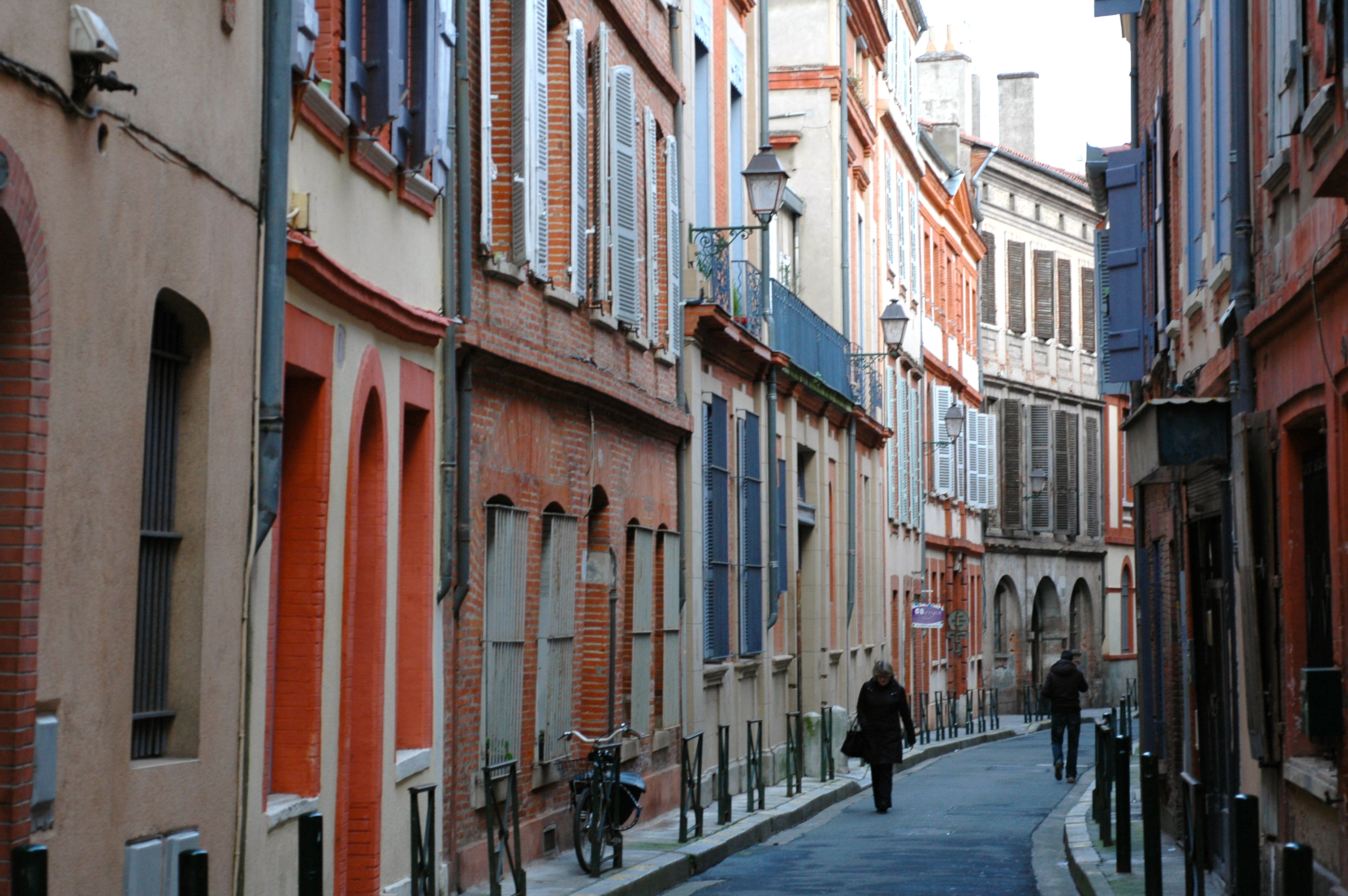
Toulouse is very nice and full of houses made of red bricks. Close to the basilique Saint-Sernin there are lots of book stores. Another thing that I am not impartial about, apart from France, is books. And, books in French obviously win the lot. There is nothing better than holding the books in the language you love. And, hey, I can understand almost everything. And pronunciation… well, I try!

Books in French

If you visit Toulouse, here is a thing about it: they close kitchen really early. You can’t get a warm meal after 3 pm and dinner ends towards 8. Very much like US, I guess, but opposite of Spain.

DSC_4336

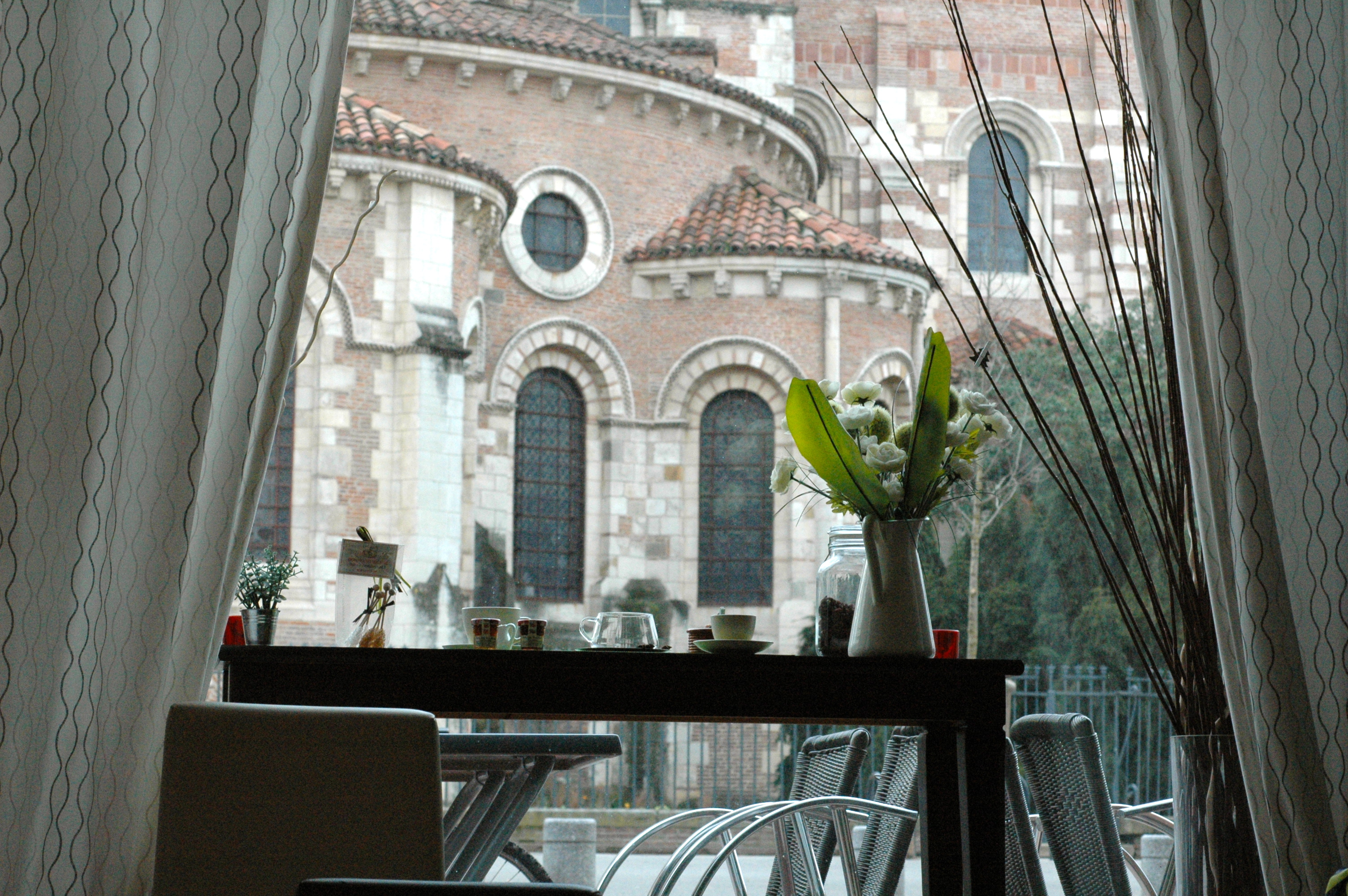
However there are plenty of Tea Houses that are charming (and warm). It is February and it is cold in France in February, thus finding a warm place for coffee counts! The cakes are home made, the staff is friendly and the view, well…. we are in Toulouse!

Toulouse

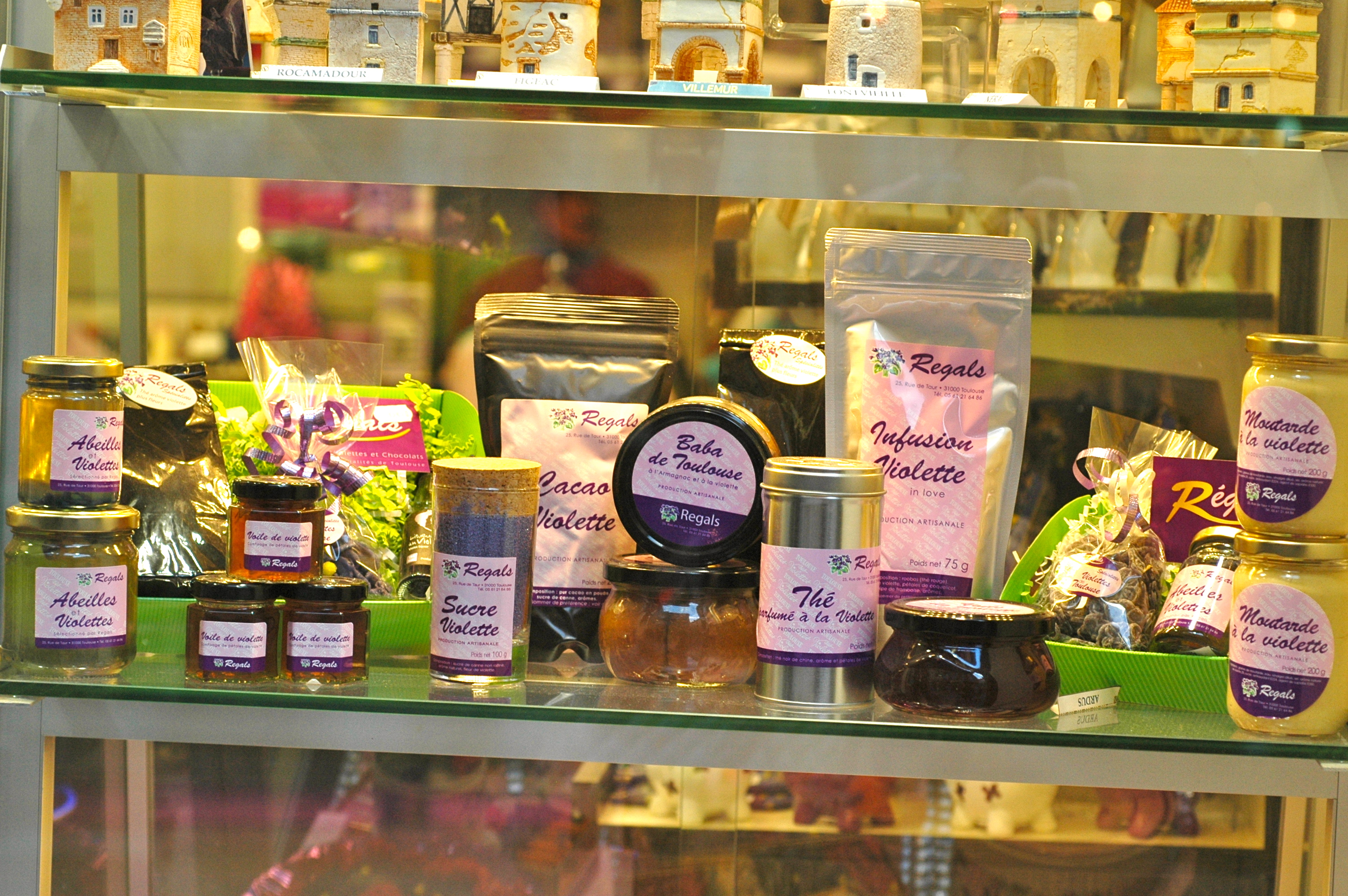
Toulouse is welcoming. We walked quite a bit through the city, and its central part is full of cafes, book stores and souvenir shops that sell everything related to violets. The violet soap, the violet marmalade, the violet candies, the violet oils, the violet liquors… well you get the idea.

Violette Toulouse

I do not think there is much I can add about Toulouse. But here are some random moments of the day that I liked:

1. The menus written in FrenchCafe in Toulouse

2. The signes on the streets (in French too!)Street name in Toulouse

3. The basilique Saint-Sernin insideLa basilique Saint-Sernin de ToulouseLa basilique Saint-Sernin de Toulouse

4. The red brick buildings with blue shattersHouses in Toulouse

5. And most of all I like the fact that everybody is speaking French (and everything is in French!). Well, I started this post with the statement that I am biased about France, so there you go.Cafe in Toulouse

Toulouse, February 13th 2013

Calçots & Getting your Hands Dirty

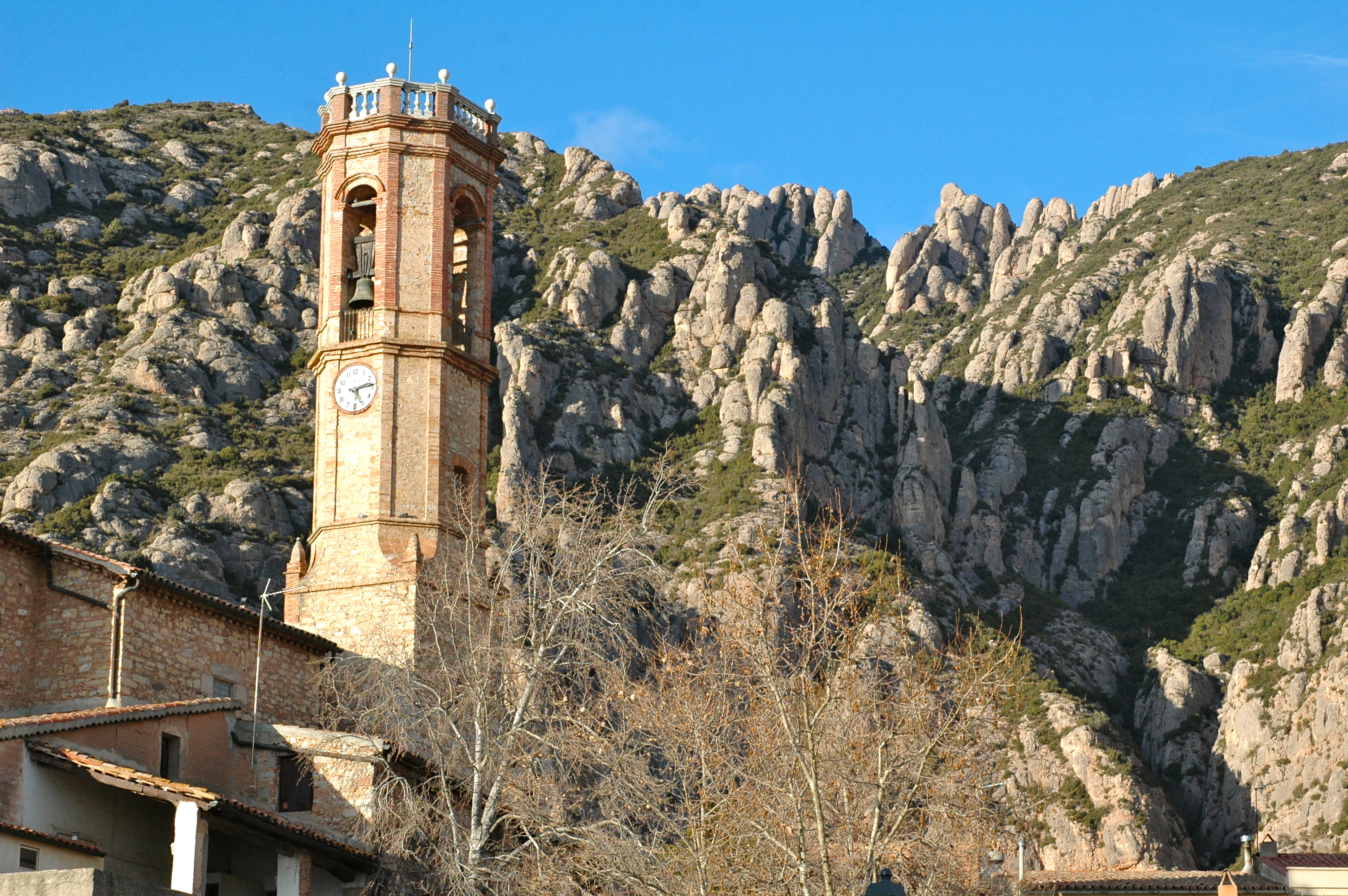
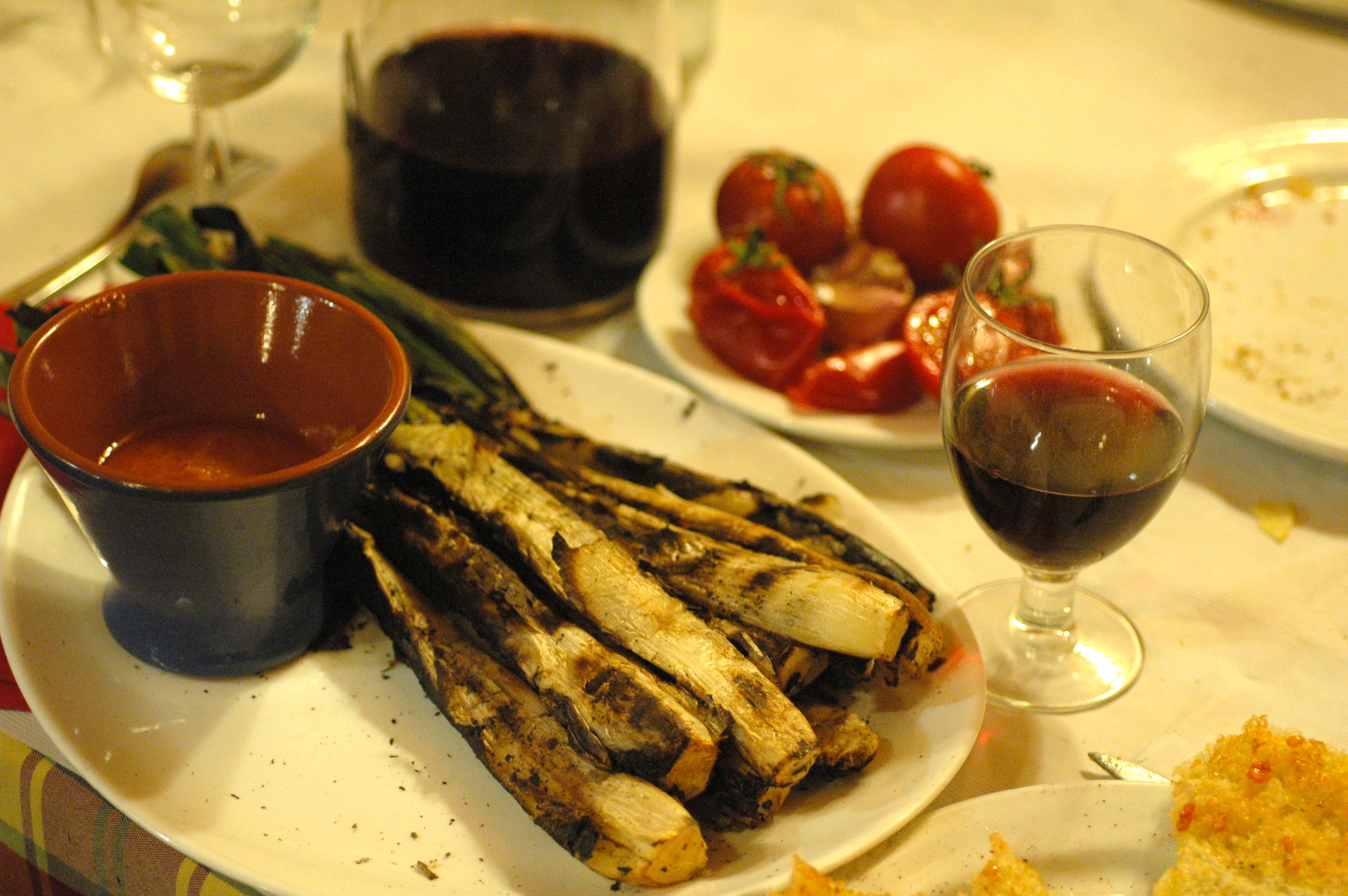
CalcotsOne of the things I missed living out of Spain is Calçots. Calçots are a variety of onions grown inland in Catalonia. It is a seasonal food and you normally see them in February and sometimes in March. You can find them in the masias outside of Barcelona and in the surrounding villages. We drove to Montserrat yesterday to see the monastery and the famous black virgin.

MontserratIt is cold in February in the mountains. The air is fresh and the view is beautiful. After an hour walk you really want to get into the warmness of an old masia and get your hands dirty with the food. In our case, we drove to Collbató, which is located right at the foot of the mountain.

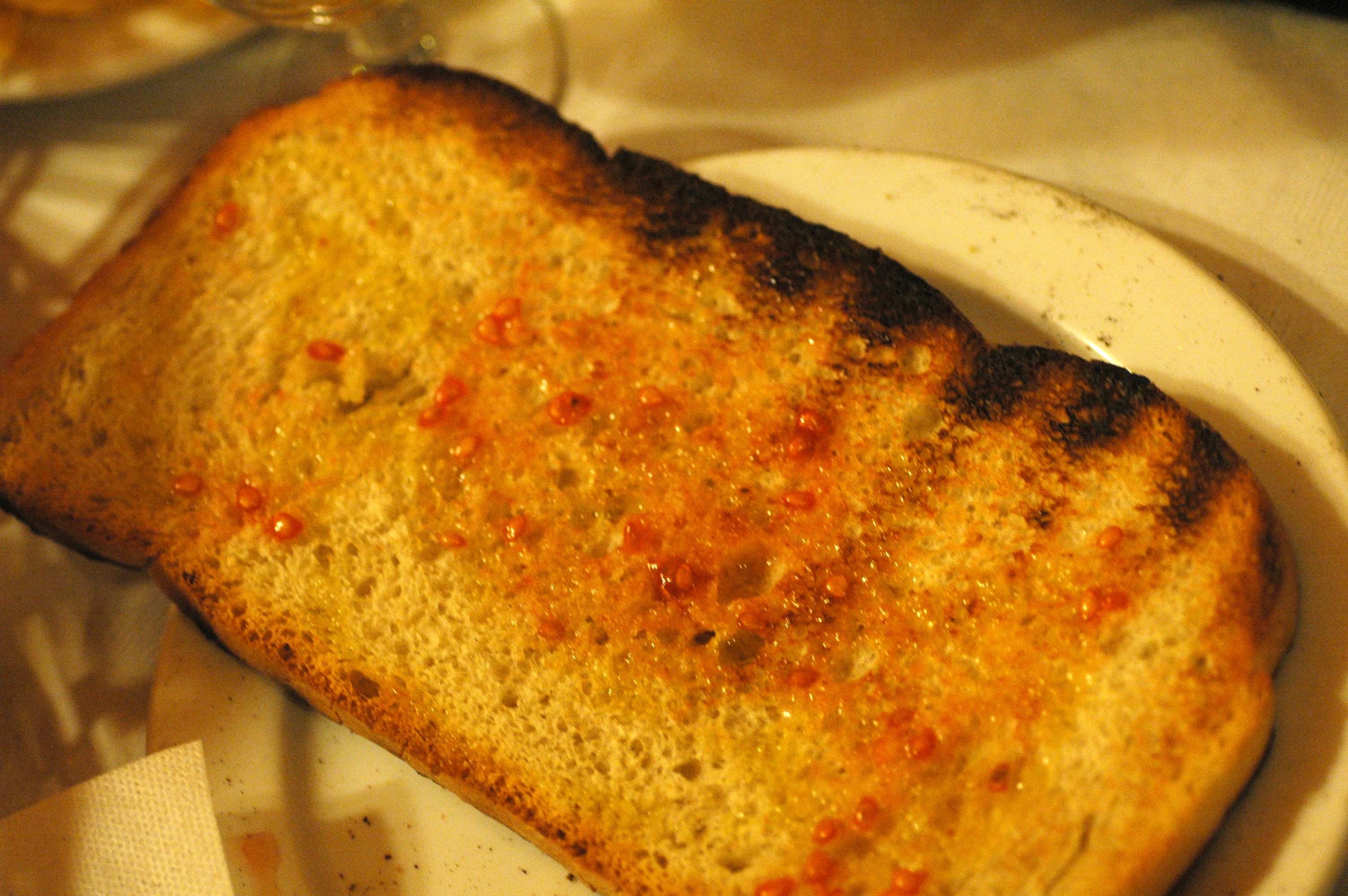
CollbatóCatalan lunch starts with bread and tomato. Do it yourself kind of thing. On the table you find olive oil, toasted bread (they call them here llescas), garlic, tomato, and salt. My three year old shows us how to rub the tomato and olive oil into the bread. They do it at his daycare and teach the kids how to prepare this starter.

tomato for the breadAnd this is how the finished bread & tomato look like. You also put salt and olive oil on it. Rubbing garlic is optional.

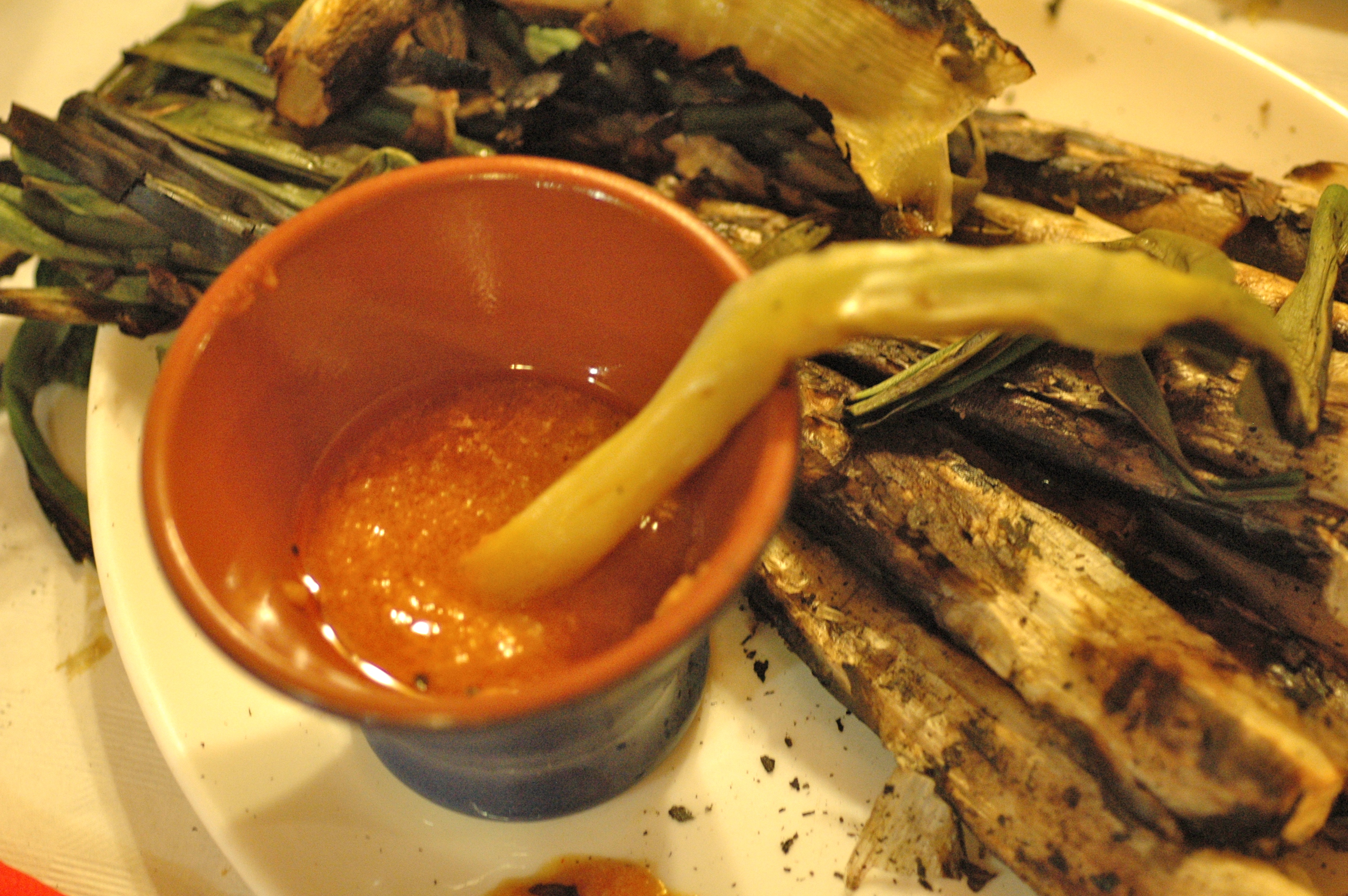
llesca de paAfter you are done with your bread and tomato, the waiters bring the calcots. This is where you really get your hands dirty. You have to take out the burnt shell of the onion and dip the tender part in the sauce. It is called the Romesco sauce and it is made of roasted red peppers, tomatoes, almonds, olive oil, and garlic.

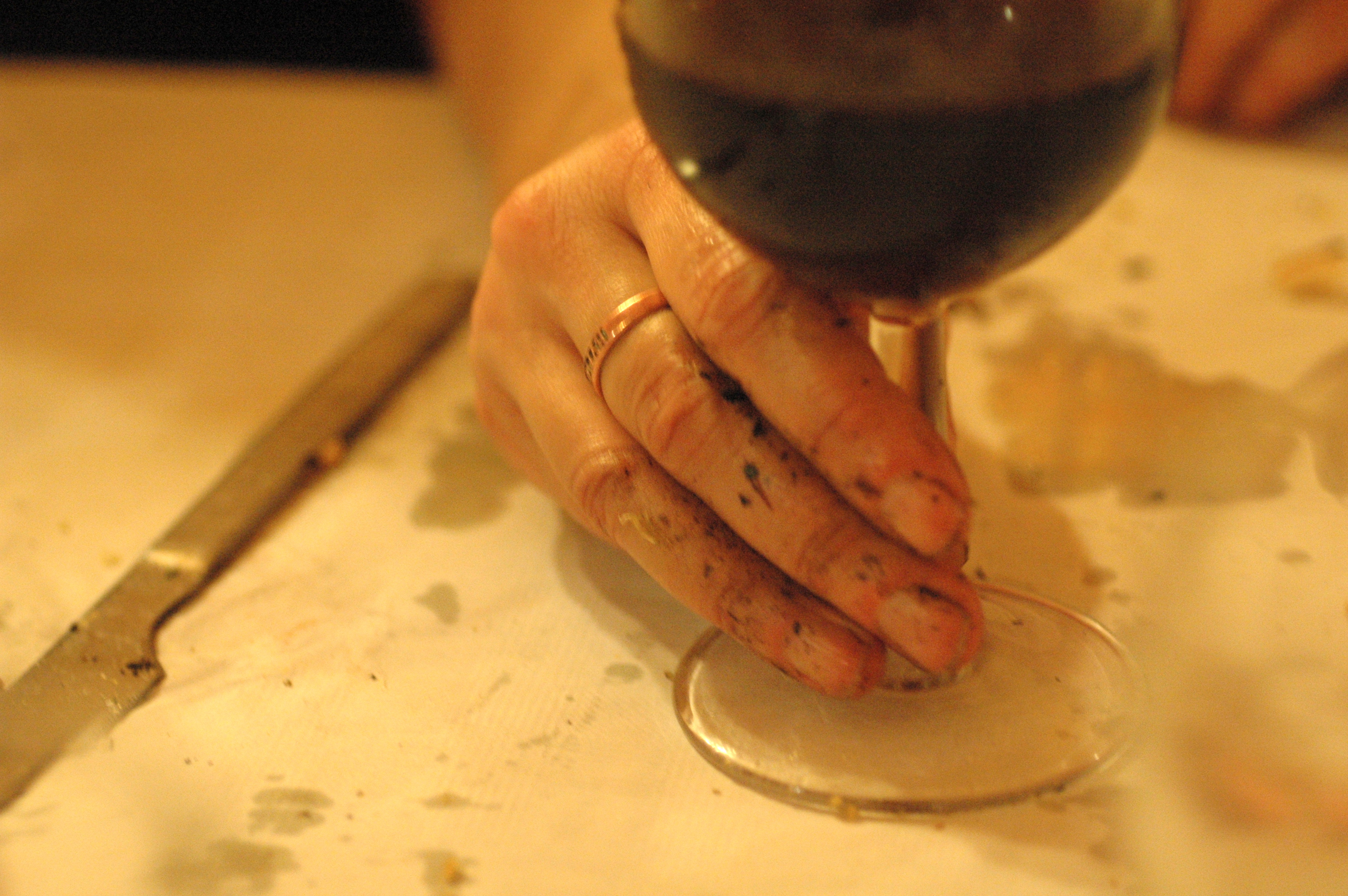
calcotsAfter you have peeled and eaten some of them, your hands get really dirty and smell of burnt onions. Your wine glass also gets stained and smells alike. And you like it. You actually enjoy of how your hands smell.

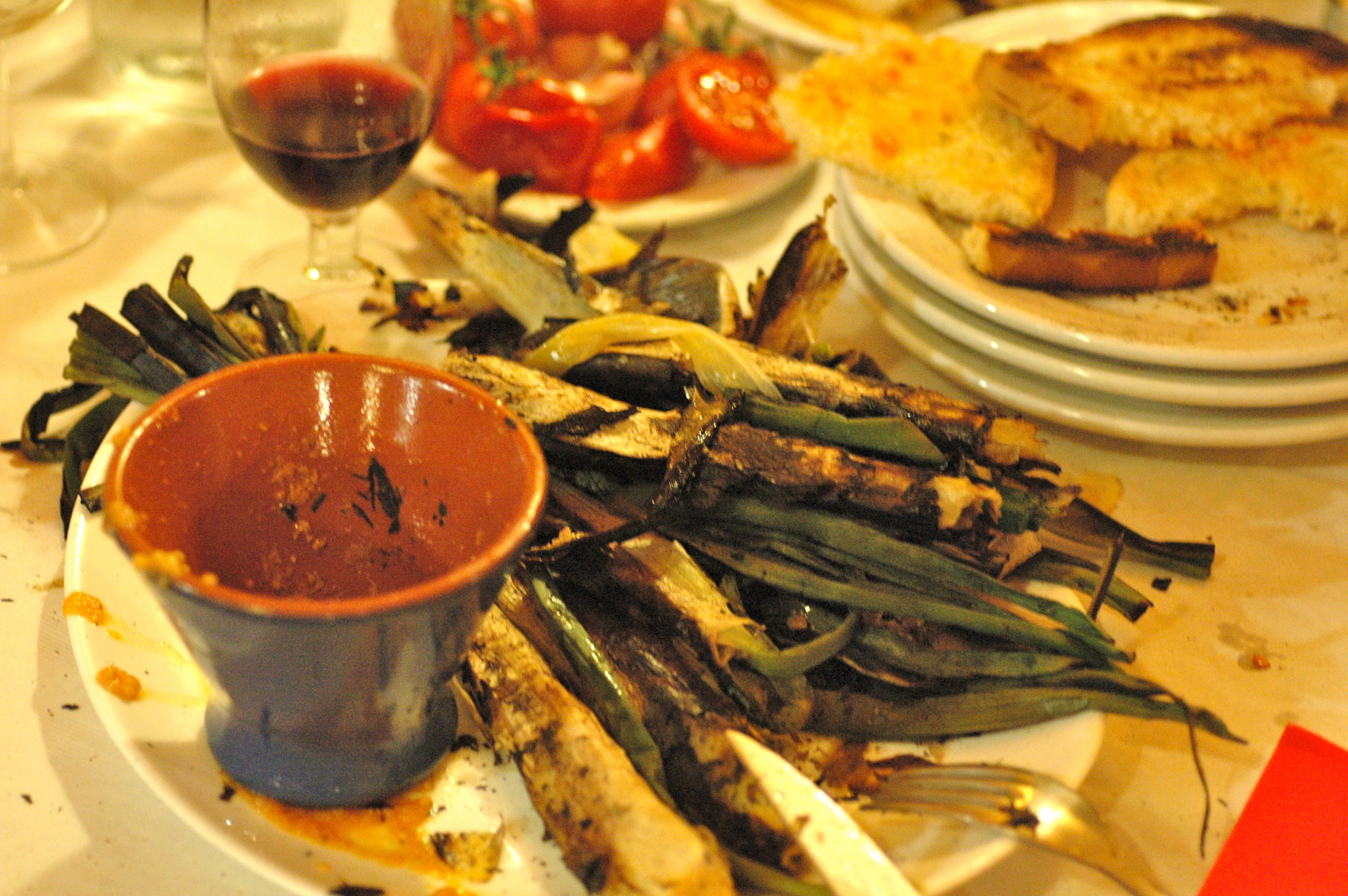
hands after eating calcotsYou keep eating till the table around you looks like a complete mess. And then you really know that you are loving the food, the wine, and the company. The sauce is the best part of the dish.

calcot sauceAnd after you are done, this is how the battle field looks:

calcots and the sauceThe problem is that after you are done with the calçots the waiters bring the meat. And even though the meat looks very good, you know you can’t eat another bite. You are full. Then the desert and coffee are served. And the restaurant invites all of you for a drink. When you finally get out of the dining room it is almost 6pm. You feel like you will not be able to eat for a week.

CalçotsCalçots are the best food ever in February in Catalonia! There is nothing like getting your hands dirty with this rustic meal! I missed it so much while living in USA.

Barcelona, February 10th 2013

Others cannot Imagine Your Dreams

Sagrada Familia Inside

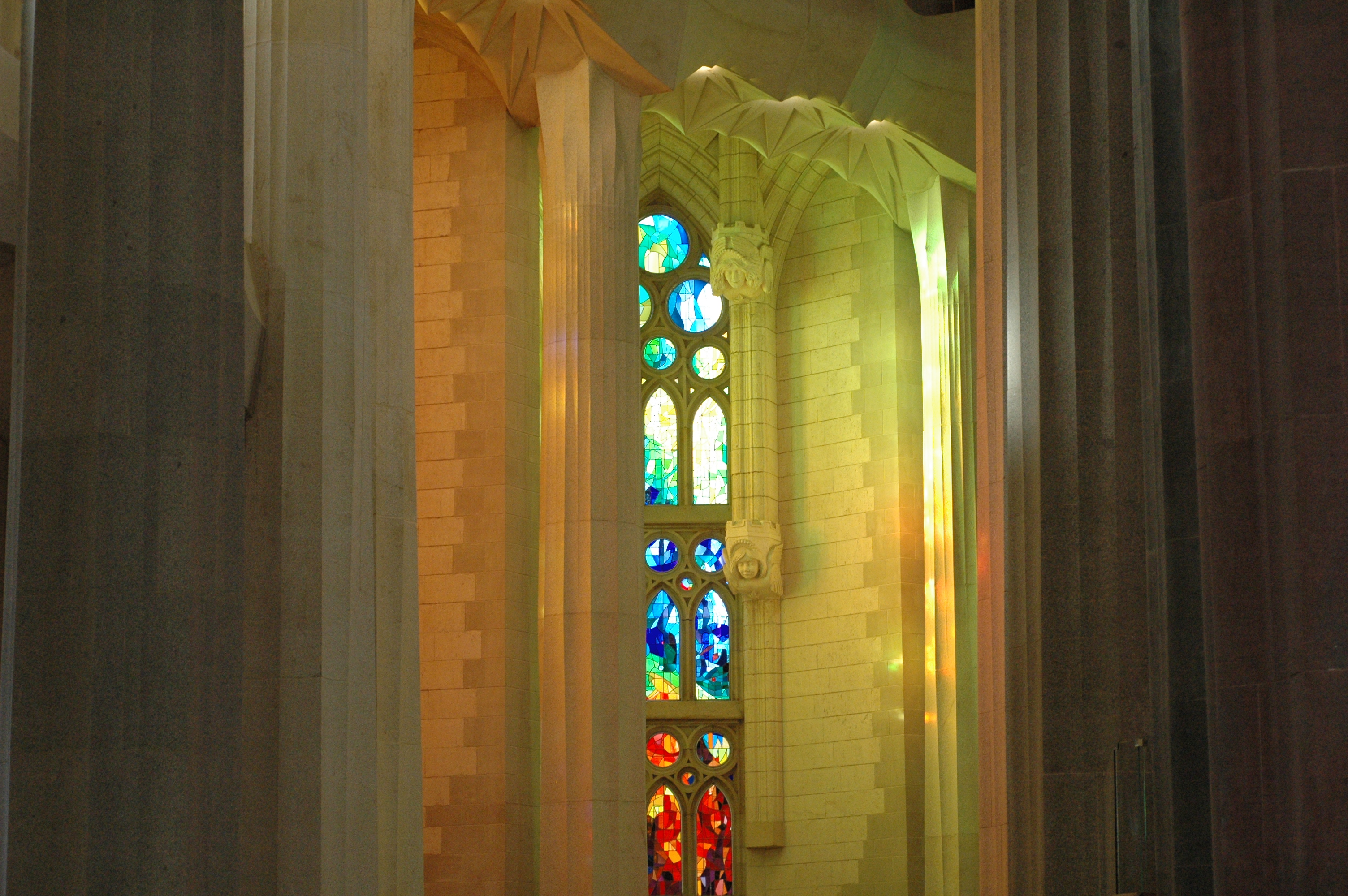
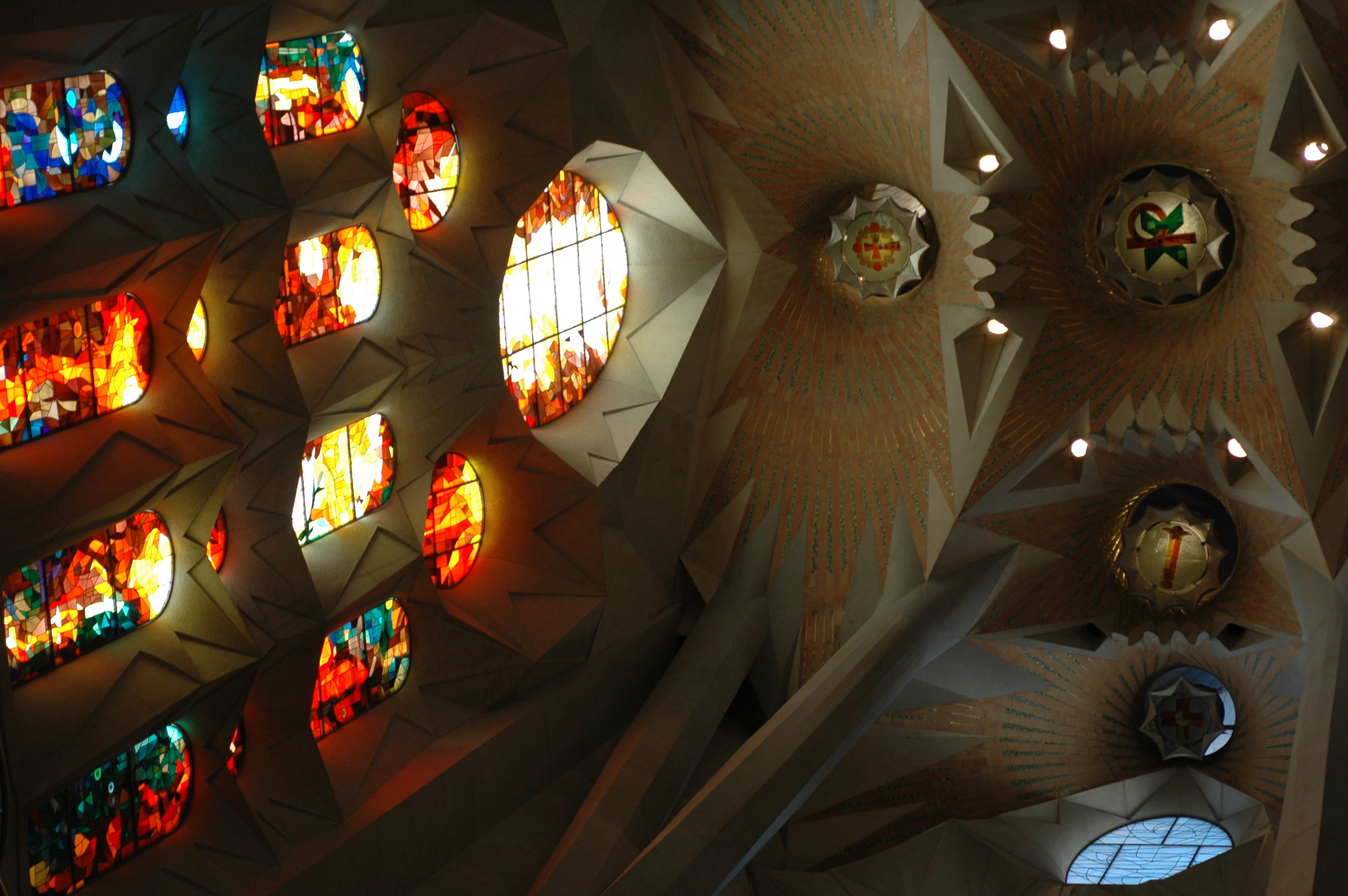
This week I went to the Sagrada Familia for the first time. What I got from this experience is the notion that it is impossible to imagine somebody else’s dreams. Impossible till those dreams become reality. Like everybody else, I saw the images of the Sagrada Familia from inside and outside at least hundred times. I looked at it in the tourists books, I made pictures of the facade and even mailed a dozen of cards with its details to my friends. Yet, I have never realized how that space can change one’s understanding of reality.

Sagrada Familia

If somebody shows me a suburban house from outside, I can imagine how this house will look inside. Square from outside, it will be shaped in square units inside, may be it will have an arch in the hall or an arched window. The space in predictable, how you will feel inside is somewhat predictable too. When I saw the Sagrada Familia from outside, I never imagined how it will look inside. The fact that it is a church, made me think that it would have something of a church in it. I could not have been further from the truth.

Sagrada Familia Church

I entered a forest. An open space. A space without walls. The columns were trees. I walked in this enchanted forest and the afternoon sun was playing light tricks through the colored maple leaves.  It did not feel like a safe place. It did not feel like one was walking in the right direction. There was no direction. A place to get lost amidst the light spots and the shadowed passages. Exactly as in the deep woods. With the shades of all shapes and sizes. With the wind weaving through the branches of the trees. With the lights sliding over the trunks.

Shades in the Sagrada Familia

What impressed me so much was the magic of being lost, of not having any answers. The fact that I could never have imagined how this space would look and feel. This space is its creator’s dream. And we can never imagine somebody else’s dream. We can foresee how the square building will be structured inside. We will not be surprised when we enter it. We will align our expectations with what we see and go with it. It will not change the way we see and understand things. Only the spaces born from the dreams have this power.

Sagrada Familia

Others cannot imagine your dreams. You need to make them come true. You need to build something very true to its stem. Very true to the essence of the impossible. Do not let go even an inch. Forget about expectations, predictions, reality. Do not look for the path, do not long for the safe. Forget what others would like to see. Entering this open space made me realize that others cannot imagine your dreams.

I am talking to you. I am talking to myself too.

Sagrada Familia

Barcelona, January 27th 2013

Ten Things About Turkey

DSC_1153

In October we spent a week in Istanbul, Turkey. It is a very crowded and restless city. You can get a lot out of your visit if you are not afraid to explore the city on your own. Here are some things that I did not expect (and loved):

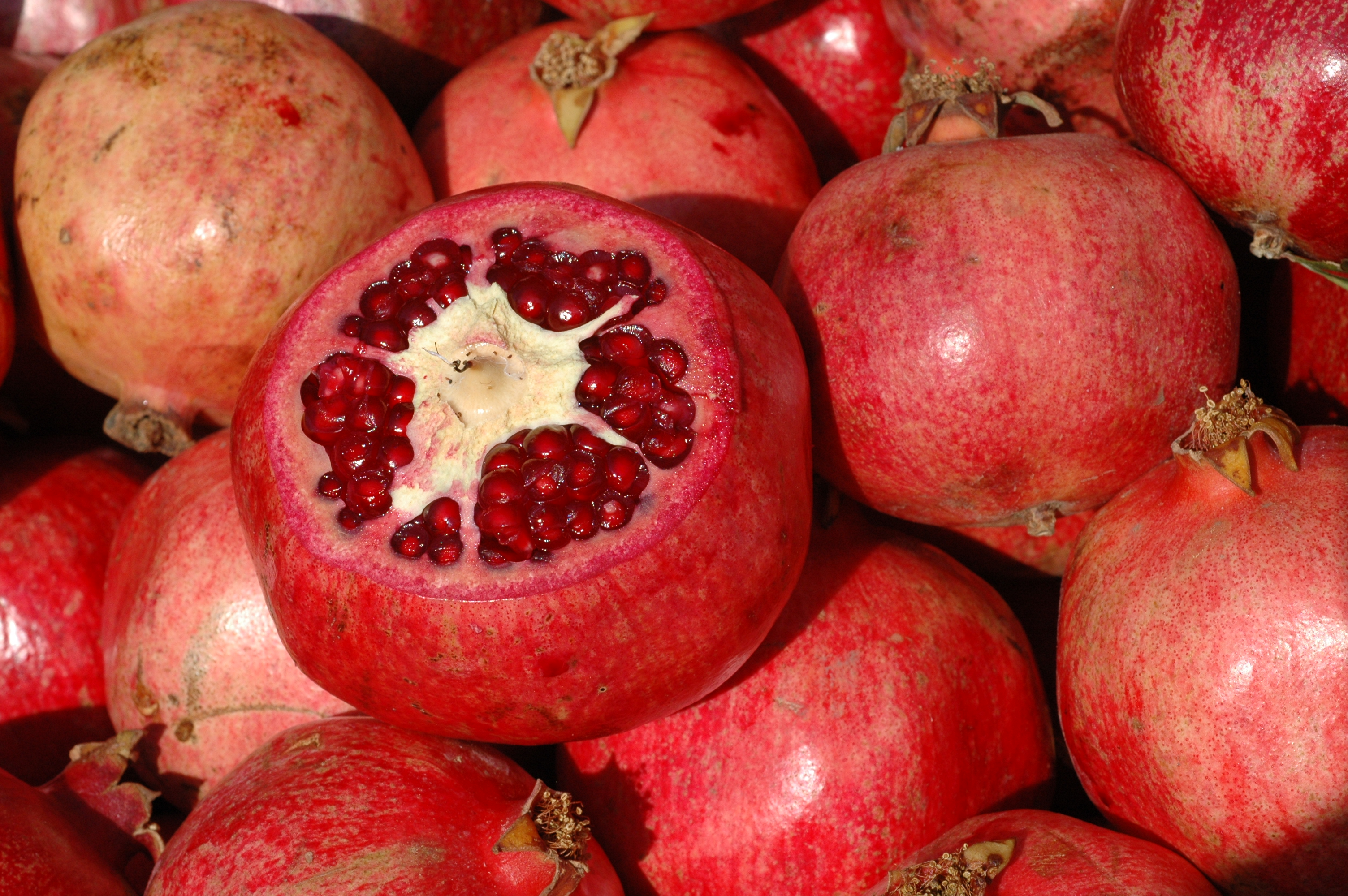
1. Pomegranate juice. Almost everywhere in the city there are pomegranate juice vendors. They carry with them their carts full of pomegranates, and squeeze the juice right when you purchase your drink.

DSC_0594

DSC_0621

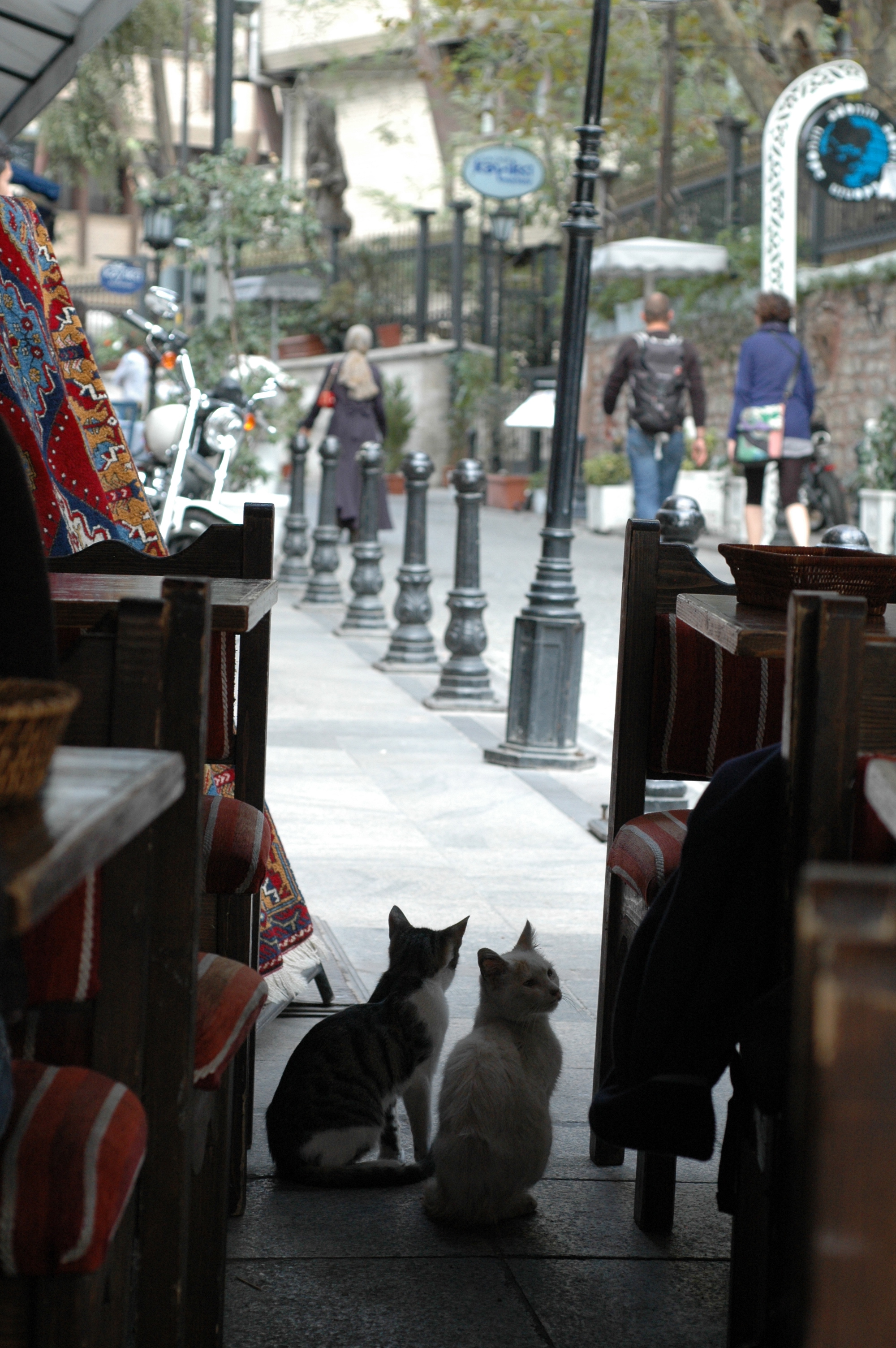
2. Cats. Istanbul is full of cats. We saw cats at mosques, restaurants, shops, museums. Everywhere you go, you see cats. Cats are sleeping, walking, eating among the people. Those tourists who did not like cats had hard time in Istanbul. However, if you are fine with the felines, you will enjoy it.

DSC_0726

3. People and kids. Turks are very friendly to children. If my son was crying on the street Turks would stop and ask what was wrong and if they could help. Some offered him a cookie or a candy. The waiters at the restaurants would kiss the kids on both cheeks when they delivered the food. I do not think that my children had so much attention on any other of our trips.

DSC_1108

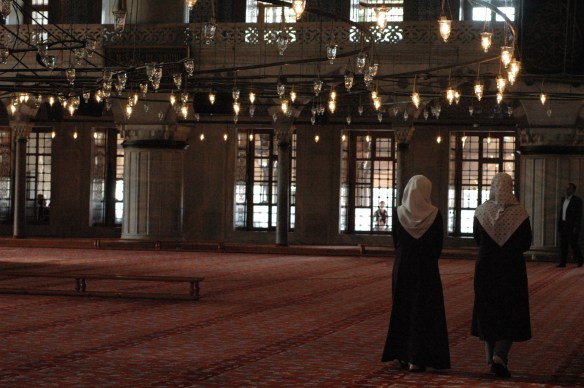
4. Mosques. Mosques are very beautiful. Being raised in a Christian family I never thought that I would experience the same feeling of peace and quietness at a mosque that I do at a church. But I did. Since my very first visit to a mosque I was enchanted by the light and cleanness that invaded my mind and spirit. I think that the passion, art and purpose that people put into the construction of a mosque were the same ones that were put into the building of a church or a cathedral. Thus, the feelings it provokes in one are the same.  We are much closer to one another than we imagine.
DSC_0678

DSC_0664

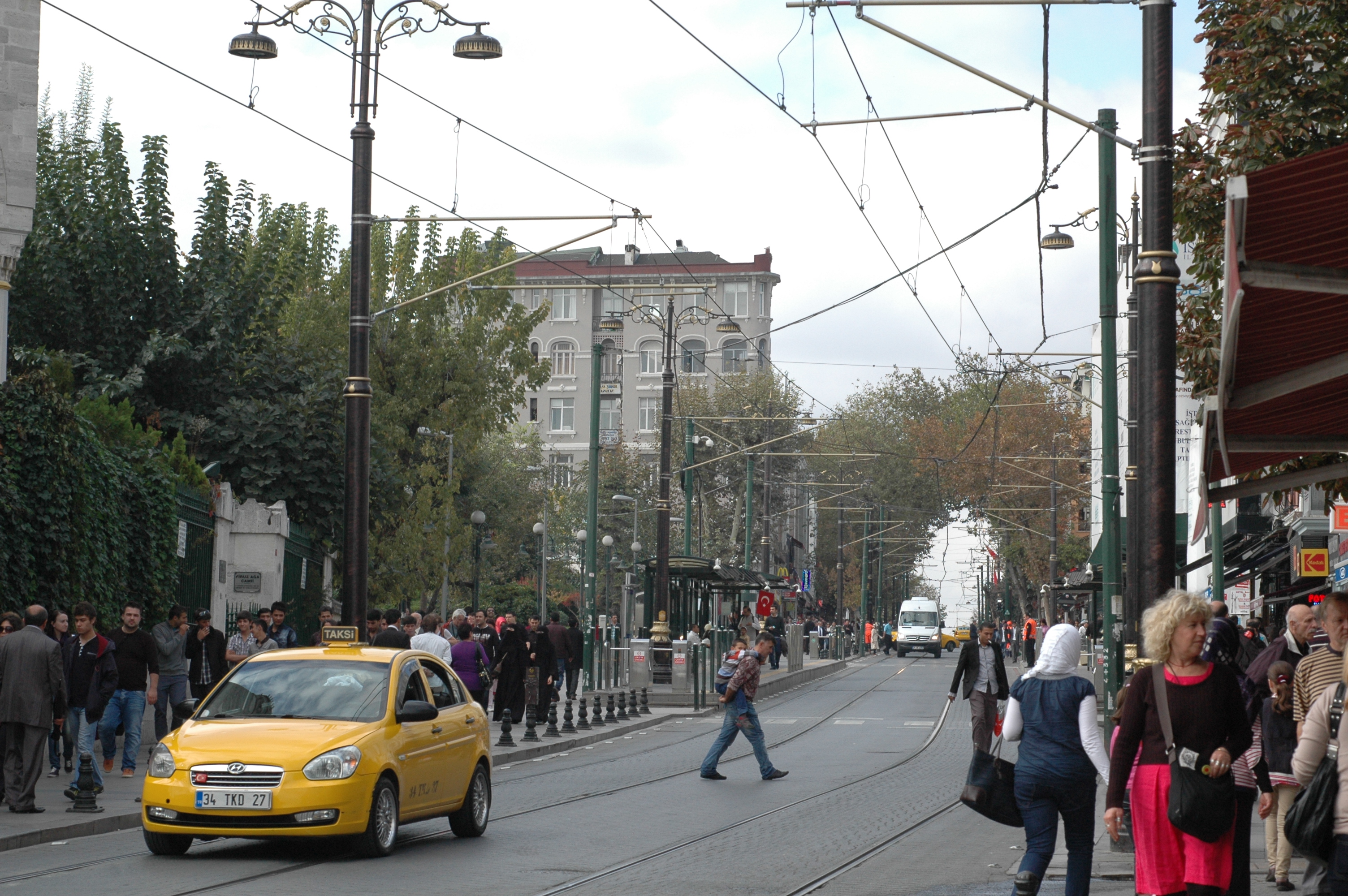
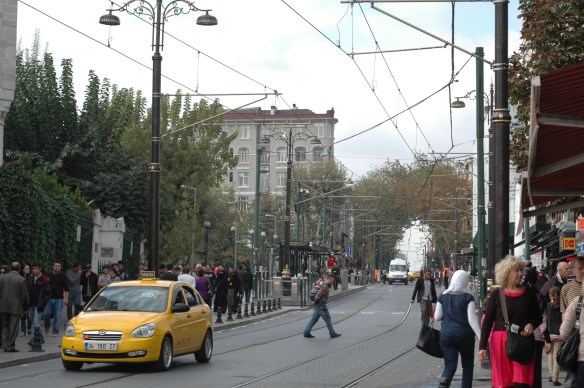
5. Taxis. If you are in Istanbul use taxi. The experience of driving in a taxi through Istanbul is unforgettable. The drivers do not follow any signs, only their intuition and drive at 60 mph through the one way narrow streets. One way, does not mean one direction, it means one direction at a time, as two cars would not fit next to each other there. During one week the kids and me took taxis every day to move through the city and you end up feeling a little bit like in a James Bond movies driving with those crazy cab drivers.
DSC_0731

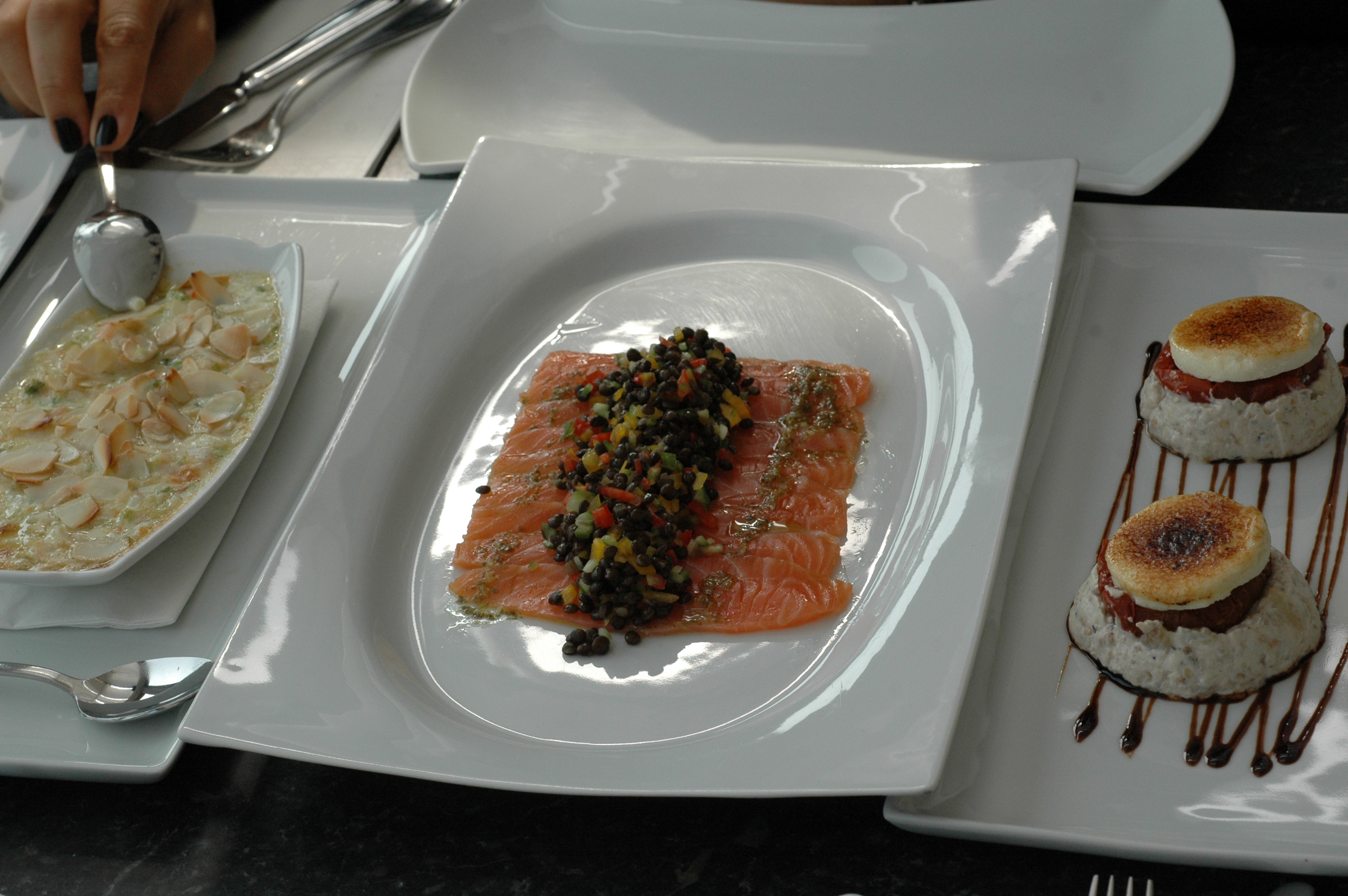
6. Food. Food is superb in Istanbul. I have not eaten so well anywhere else except Spain. Turks really know how to cook meet and fish. It tastes good, it looks good and you feel good after you have finished your dinner. Ok, sometimes we overate. However, there are very few places in the world where you can eat like this.

DSC_0482

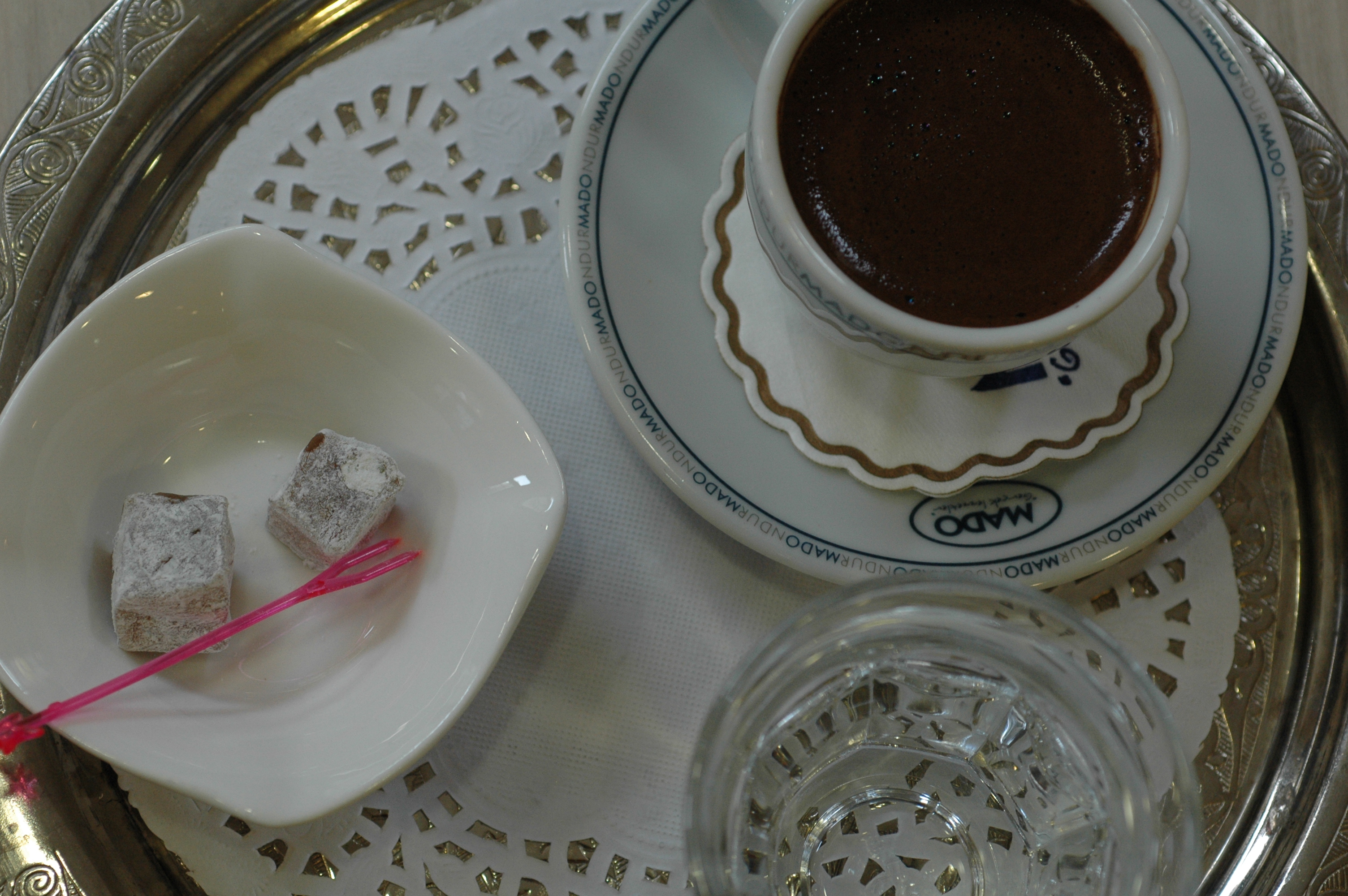
7. Coffee. Ok, I had to write something about coffee. I am generally not into Turkish coffee.  Nevertheless in Istanbul I drunk it for the whole week from 10am till midnight. Yes, every night we took the kids for coffee and Turkish sweets at Mado. It was one of the best experiences during our stay there. They have really good coffee, the chairs are comfortable and the stuff is friendly. What else can you ask from life?

DSC_0418 DSC_0370

DSC_0379

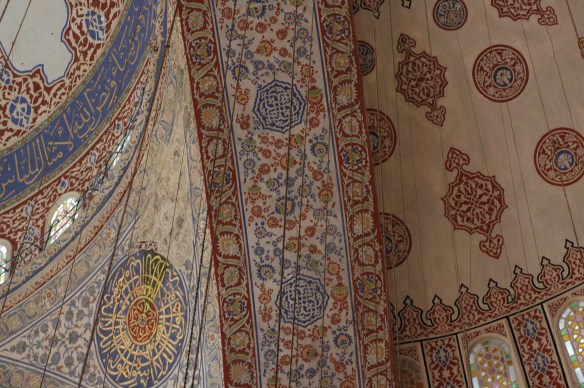
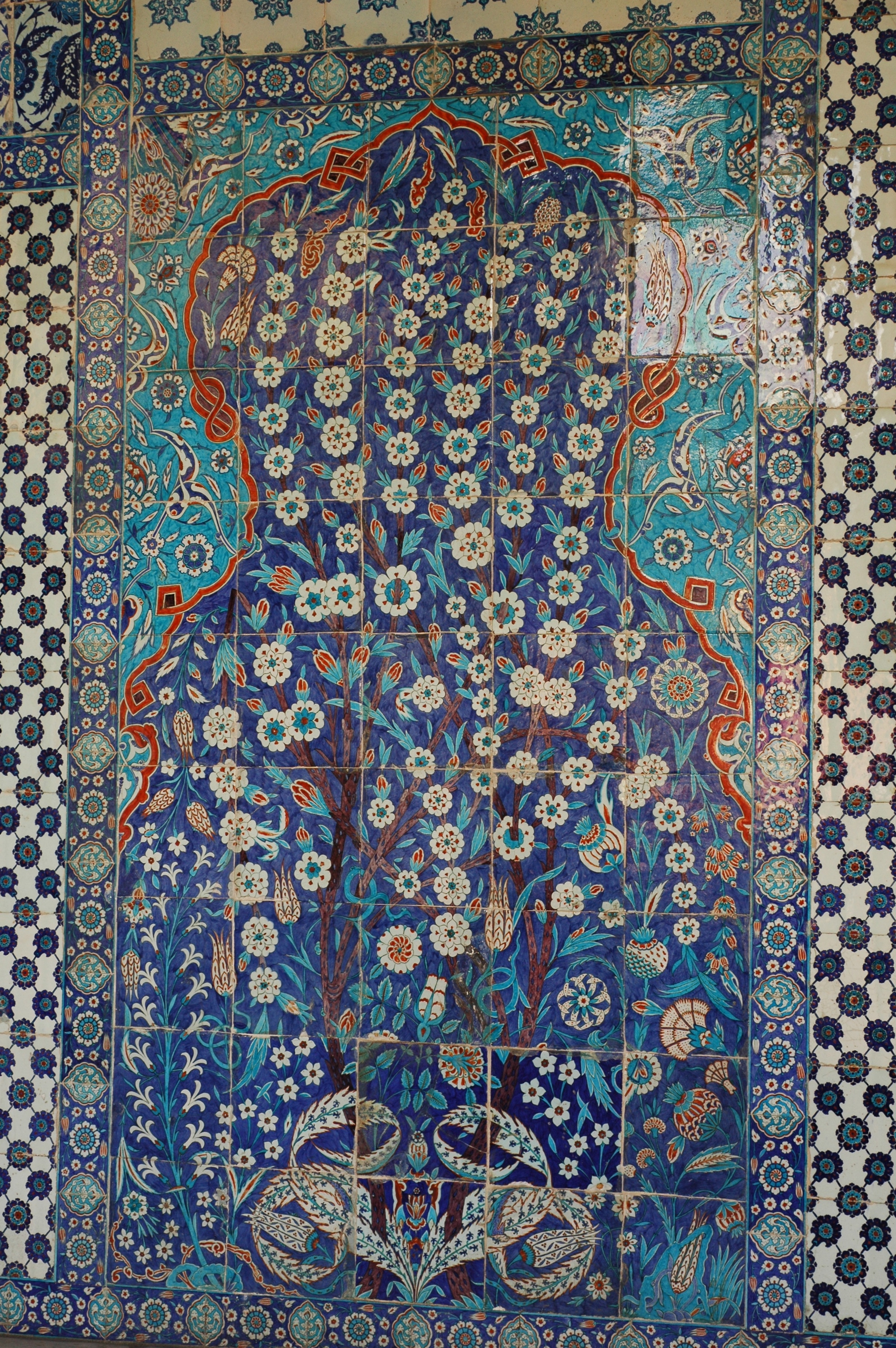
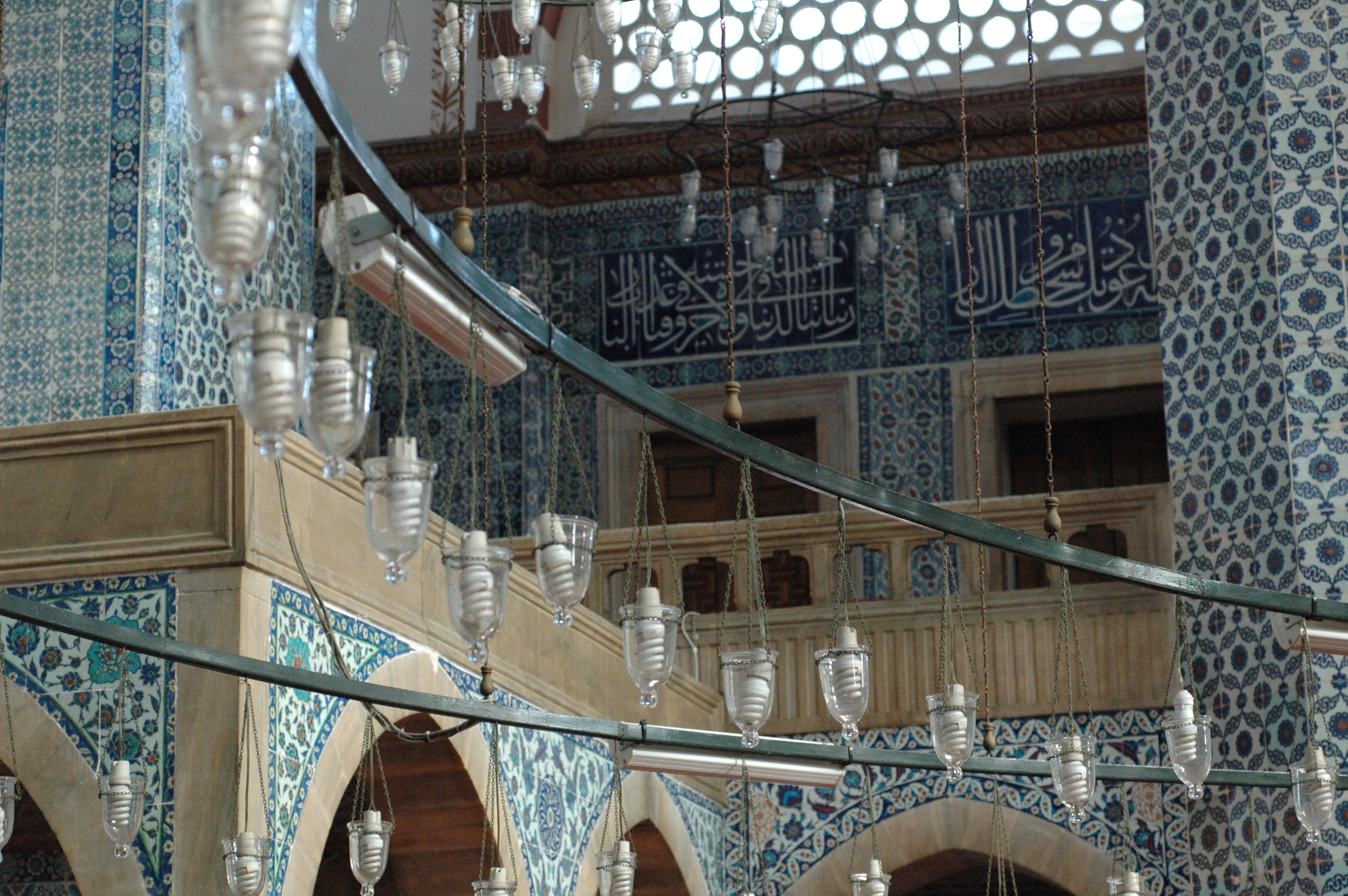
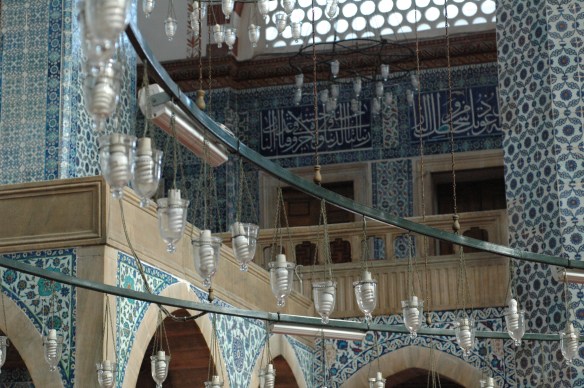
8. Ceramics at Rustem Pasa mosque. I am not going to describe it, but here are some pictures from that mosque. It takes your breath away for couple of seconds when you enter the space. Well, blue and white are two of my favorite colors. However, it is not only the colors, but the absence of vulgarity and gentleness of the art, that touches ones spirit in that squared space.

DSC_1026 DSC_1066 DSC_1062

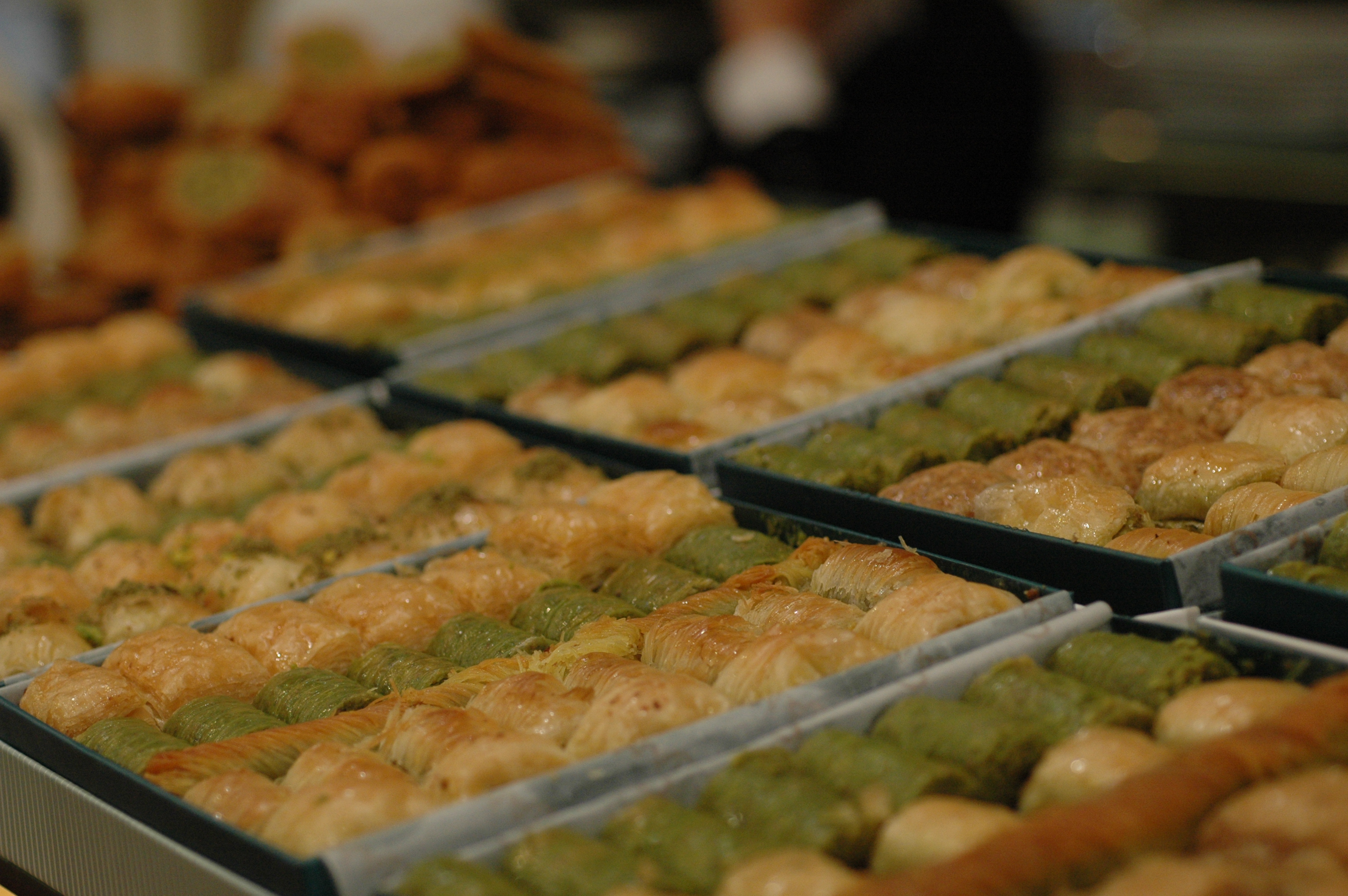
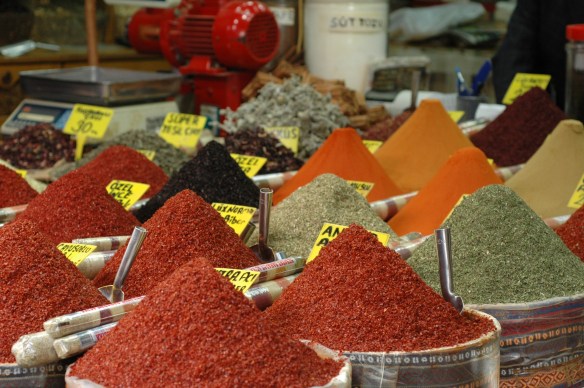
9. People. People are very friendly in Istanbul. They are respectful, generous, open and kind. And their hospitality is unique. I have never had so much attention as in Istanbul. Vendors do not just sell you the product, they pass you a part of their knowledge, they share something more then a mere physical object. We spent an hour drinking tea and trying sweets at the spice booth. We were not shopping for tea or sweets. I was buying spices. The vendor invited us for tea, offered lokum to the kids and engaged into an hour conversation. I enjoyed it. Well, not so much the part when he offered the marriage. Yeap, he did not believe that I was married, because I was without my husband at that moment. The rings and the kids were not enough proof for him. But if you can stay firm about your marital status you will enjoy your Istanbul experience greatly. The people and their stories are definitely the best part of the city.
DSC_1094

10. The last and the best thing about Turkey is my friend who lives there. Without her my experience in Istanbul would have been very different. It means a lot to have a friend in a place you visit as a tourist. It makes you a little bit local.

World is a funny place after all. You meet people, you like them, you never talk too much, but you still like them and trust them. The life goes on. You take the next step, then another one and one more. You move to a new country, have a new job, speak another language and, finally, make new friends.  However, when I met my friend in Istanbul this fall, I realized that I have been sharing with her something invaluable all this time. The silence was not indifference. It was patience. Thank you for being there Ozlem.

DSC_1476

Barcelona, January 13th 2013
Dubrovnik, Croatia: Café on the Rocks

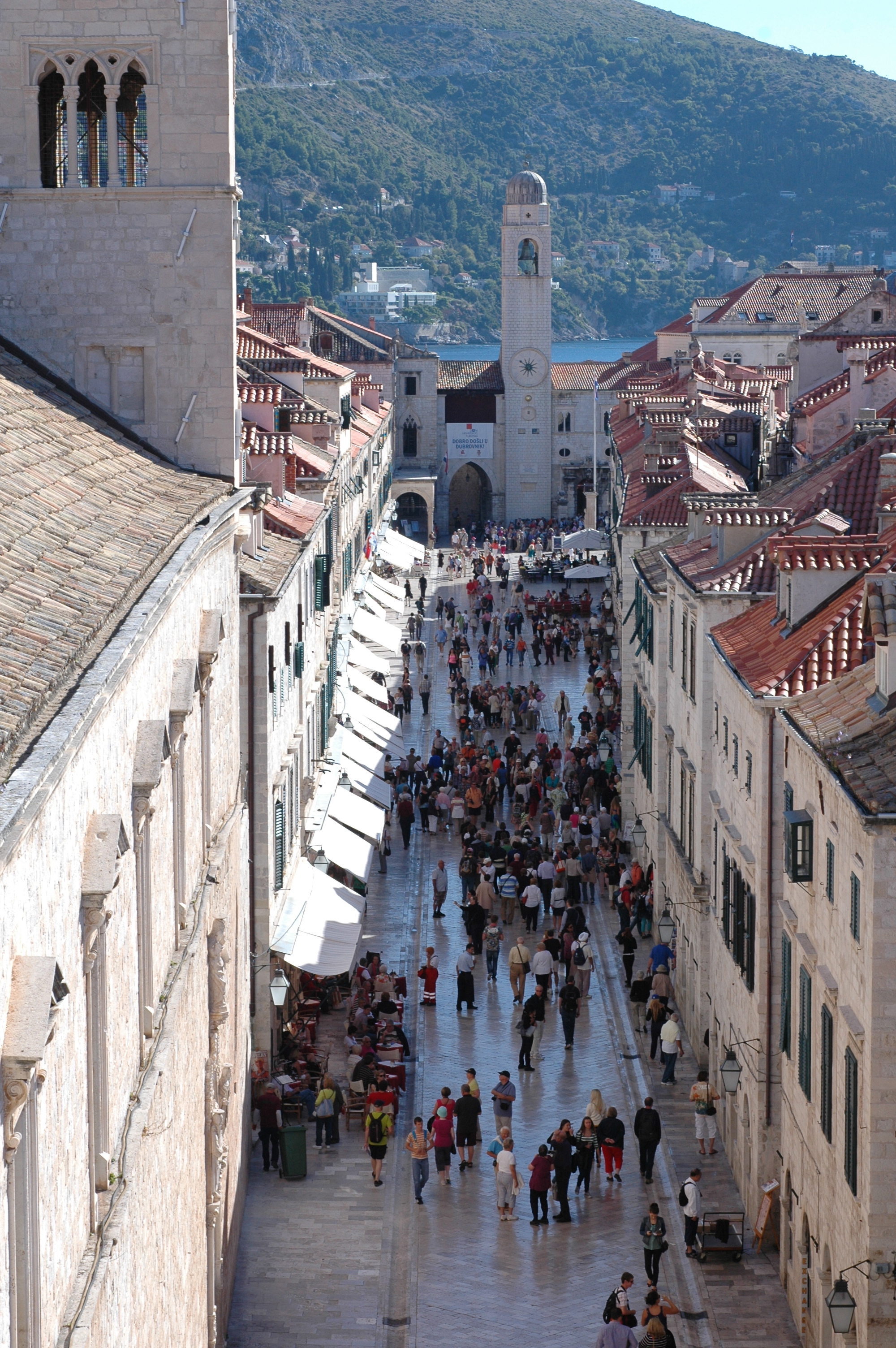
Dubrovnik, Croatia is a very beautiful place to spend a few days. In October the weather is just perfect for almost everything: walking, swimming, sunbathing, sightseeing. The old city center is very clean and well maintained. On our first day we walked around the city walls and enjoyed the view from the every point of the wall.

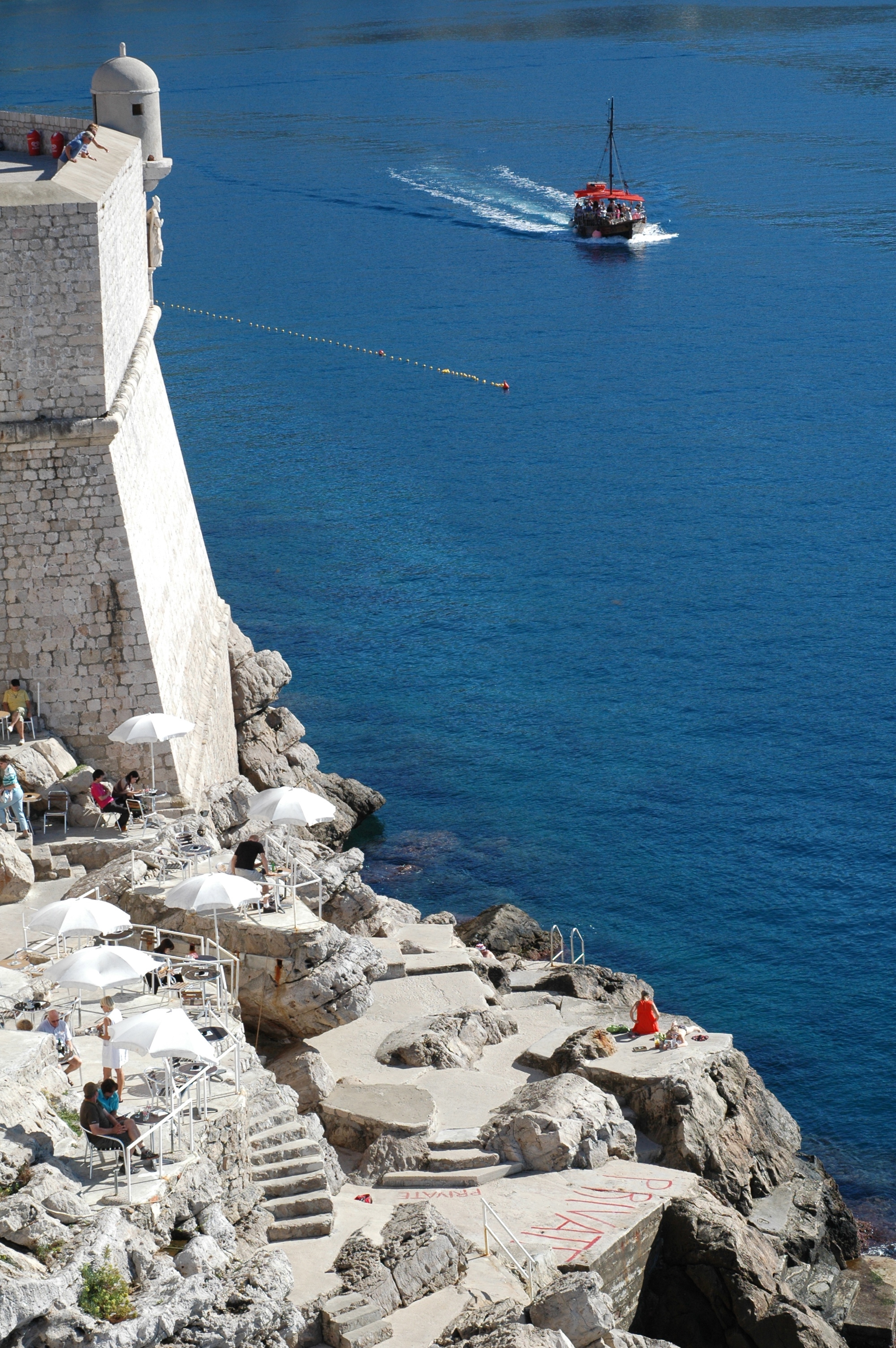
On our second day my daughter got sick and we had to take a more relaxed approach to sightseeing. Thus, the only thing we did was to sit and have coffee and sandwiches at a small café on the rocks. We saw this café the day before from the city walls and decided that it was one of the most relaxing (and beautiful) places in the world.

I got a thin book about Dubrovnik’s history, art and culture and read it while having coffees and looking at the Adriatic sea with my daughter.  To my surprise, I think, I learned more about the city from reading this book in that remote café on the rocks, than if I would have devoted the day to regular tourism.

We did not visit any church, any museum or any gallery. We did not stop and admire beautiful plazas. As a matter of fact we only stopped on them when we got lost, and needed to figure out what plaza we were on, mainly by it’s shape and presence of some church on one of the sides, but that was about it.

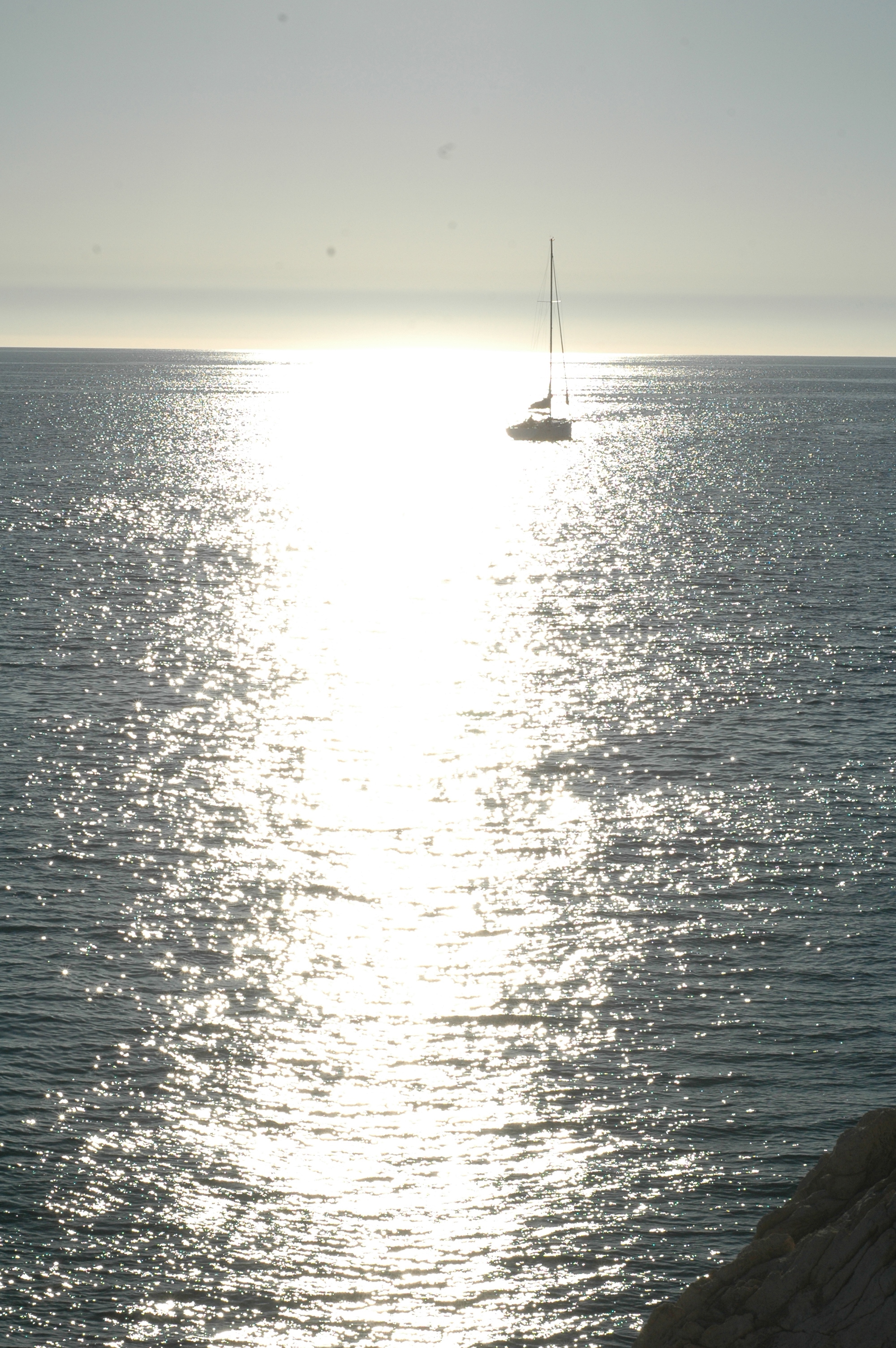
All we did was to sit at the café, read the book about the city’s history, watch people jump off the rocks and swim, salute to the small tourist boats and try to see what fishermen in the skiffs fished from the sea.

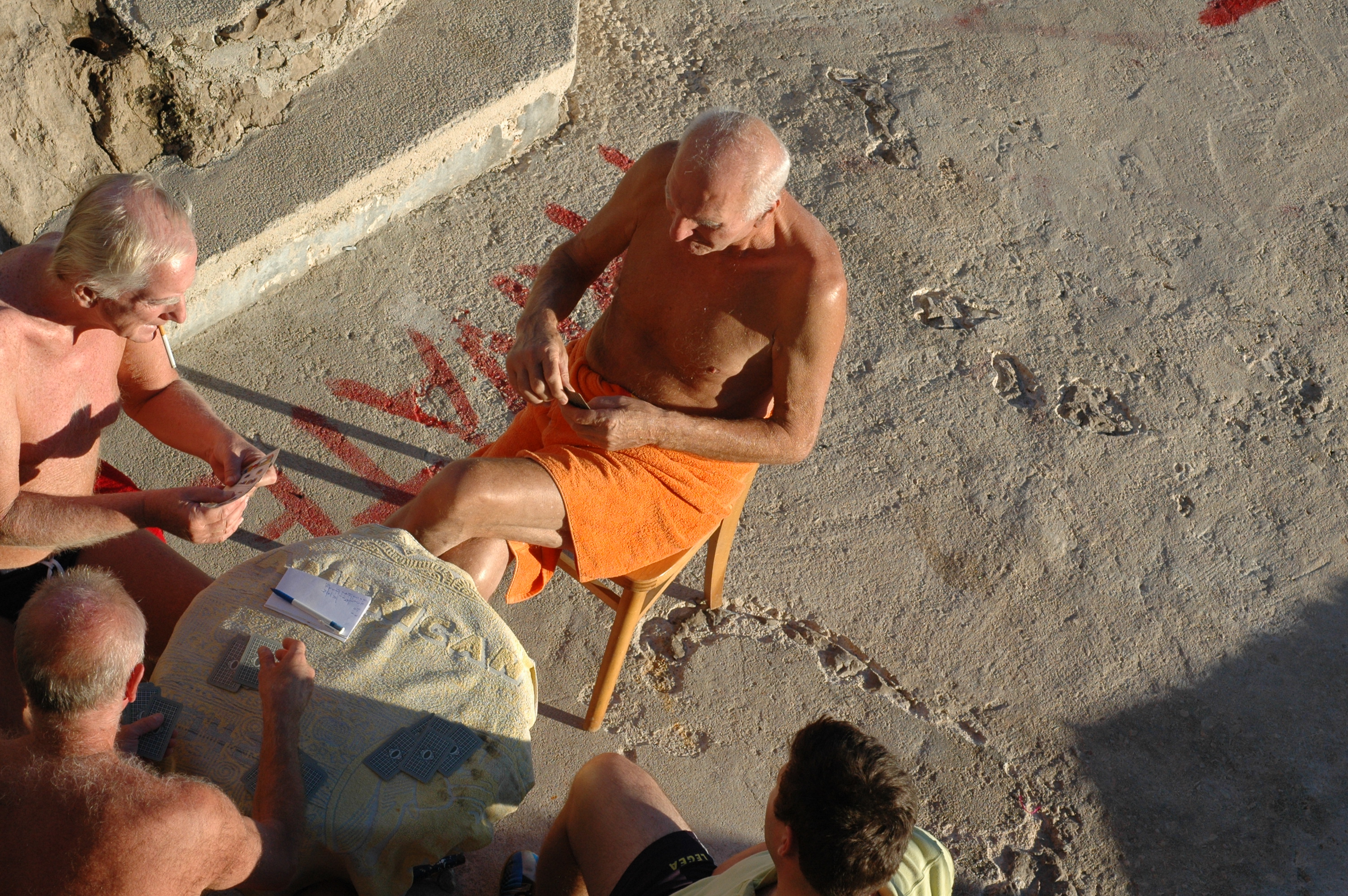
There were mainly locals; bathing, smoking, playing cards and reading. Two women with a small dog, four old men playing cards, young people jumping off the rocks, couple of men sleeping in the cafe chairs, two grey cats and some more men smoking and discussing something in Croatian.

The history of Dubrovnik is all about the city fortress, towers and how many other nations tried to attack it from the sea dating back to the 7th century. And from where we sat it was obvious why others attacked the city.

Once you’ve enjoyed the warm sea breeze and the sunshine you also want to conquer this place and live here. I do not think we would have gotten this conqueror spirit by just doing the touristy walk through the city and its history.

If you ever visit Dubrovnik, skip all the touristy places, guided tours and museums. Just find this small café on the rocks by the city walls and spend all your time there reading, swimming and listening to the beautiful Croatian language.  By the time the water becomes golden from the sunlight, you will know where the history of this place takes its roots.

Dubrovnik, October 19th, 2012