“What’s your favorite book?” I asked my kids (Part 2)

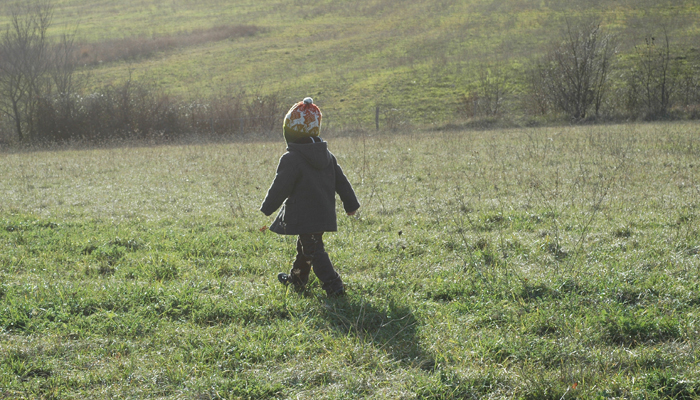
My son will turn four in February 2014, thus he is almost four now. To the amazement of our  frequent guests he loves to spend time with books. If the guest is willing to read to him, this will be a never ending story. He will accommodate himself on the guest’s knees and bring book after book to be read to him.

He also tells stories to us and our guests. Yesterday he told our friends who came for dinner “You know, I just ate a mouse!” And he went on enjoying the details of his imagination.

I asked him to give me some of his favorite books, and these are the ones he brought me.

(note:  because our family has moved three countries since he was born, he speaks good Russian, Spanish, Catalan, French and some English)

Favorite books of my almost four year old son:

1. Ecoute les bruits de la foret (Listen to the sounds of the forest)

Ecoute les bruits de la foret


2. Усатый-Полосатый Маршак (Children poems by Marshak)

Усатый полосатый


3. Chuggington magazine

Chuggington


4. La historia de El Cid Campeador adaptacion por Carmen Gil-Bonachera (The Story of the Cid adapted by Carmen Gil-Bonachera)

Cid el Campeador


5. Elmer by David McKee

Elmer


6. Let’s Go for a Drive by Mo Willems

Let's go for a drive


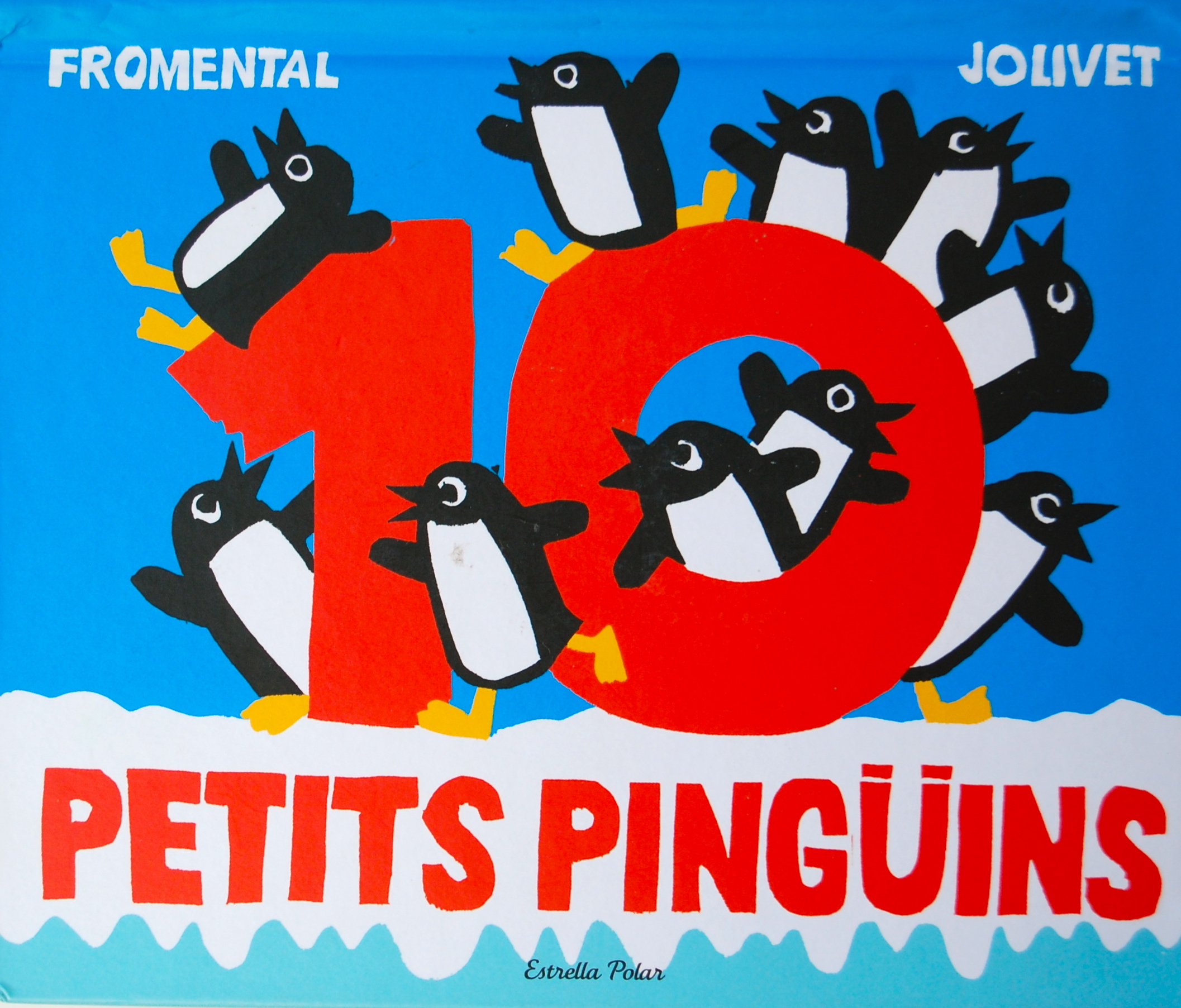
7. 10 Petit Penguins por Jean-Luc Fromental (10 Little Penguins by Jean-Luc Fromental)

10 petits penguins


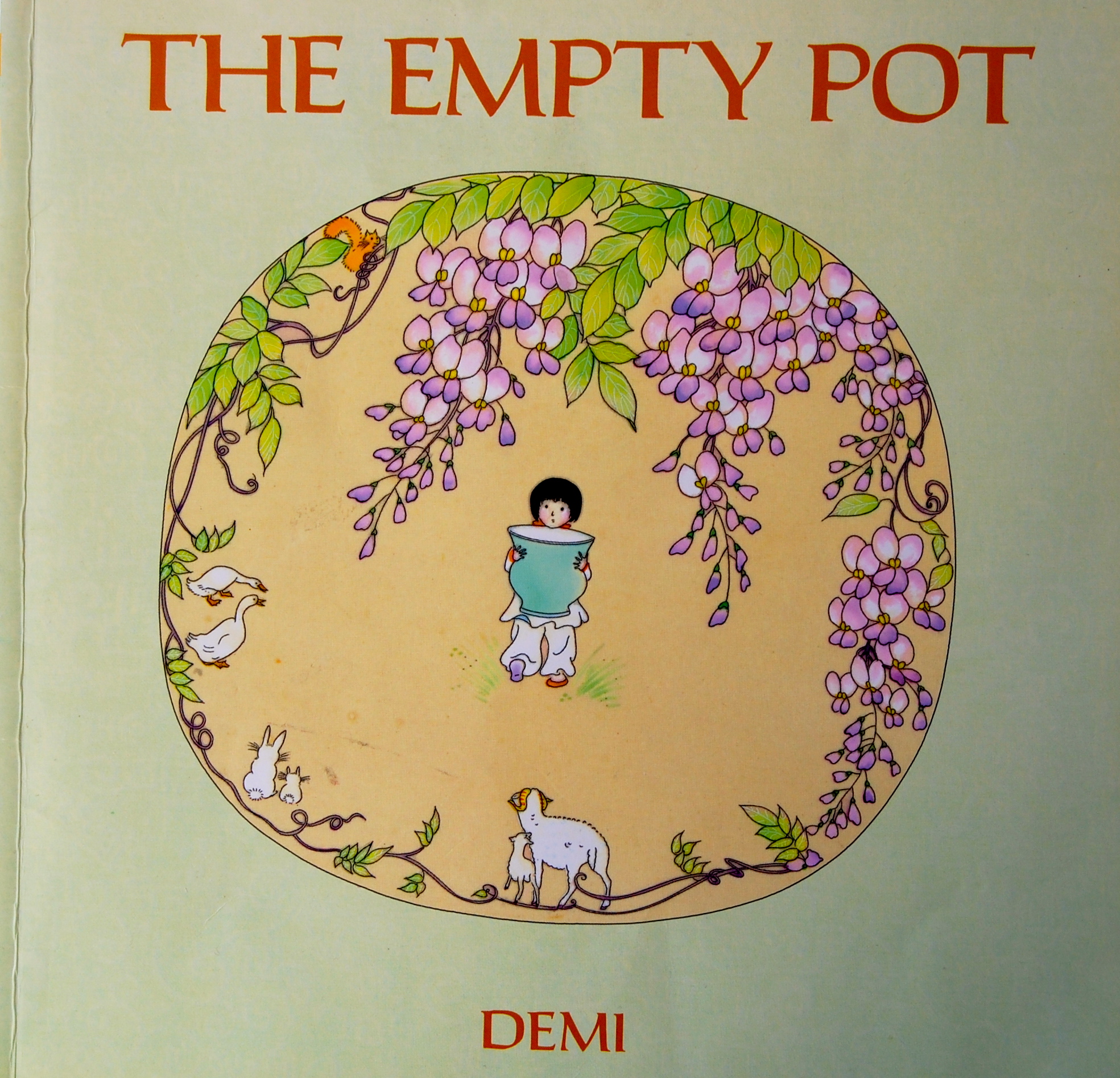
8. The Empty Pot by Demi

The empty pot


9. Tante Bruns Fodselsdag by Billedbok and Elsa Beskow (Aunt Brown’s Birthday by Billedbok and Elsa Beskow)

Tante Bruns


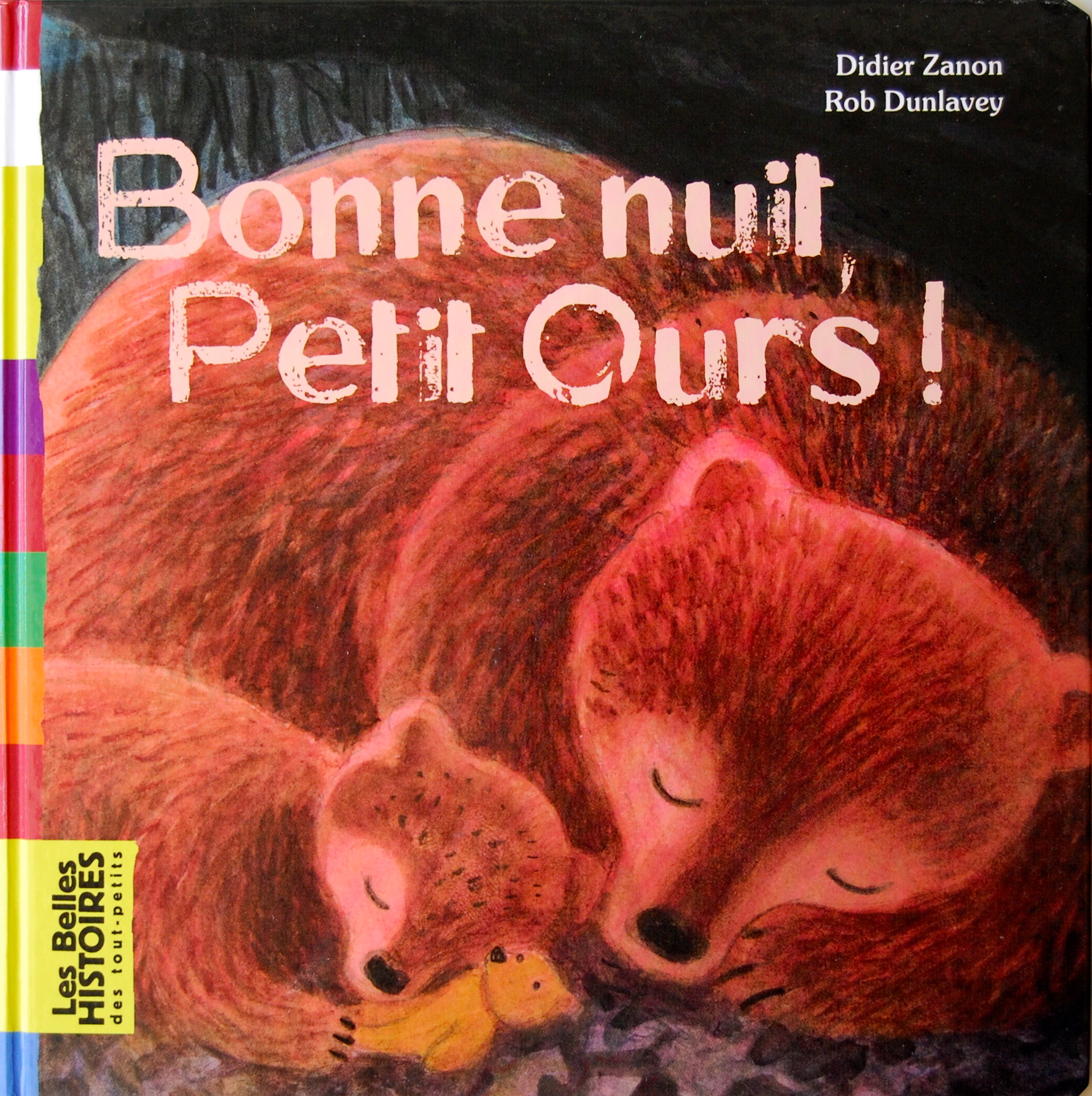
10. Bonne nuit, Petit Ours! by Didier Zanon (Good Night, Little Bear! by Didier Zanon)

Bonne nuit, Petit Ours!


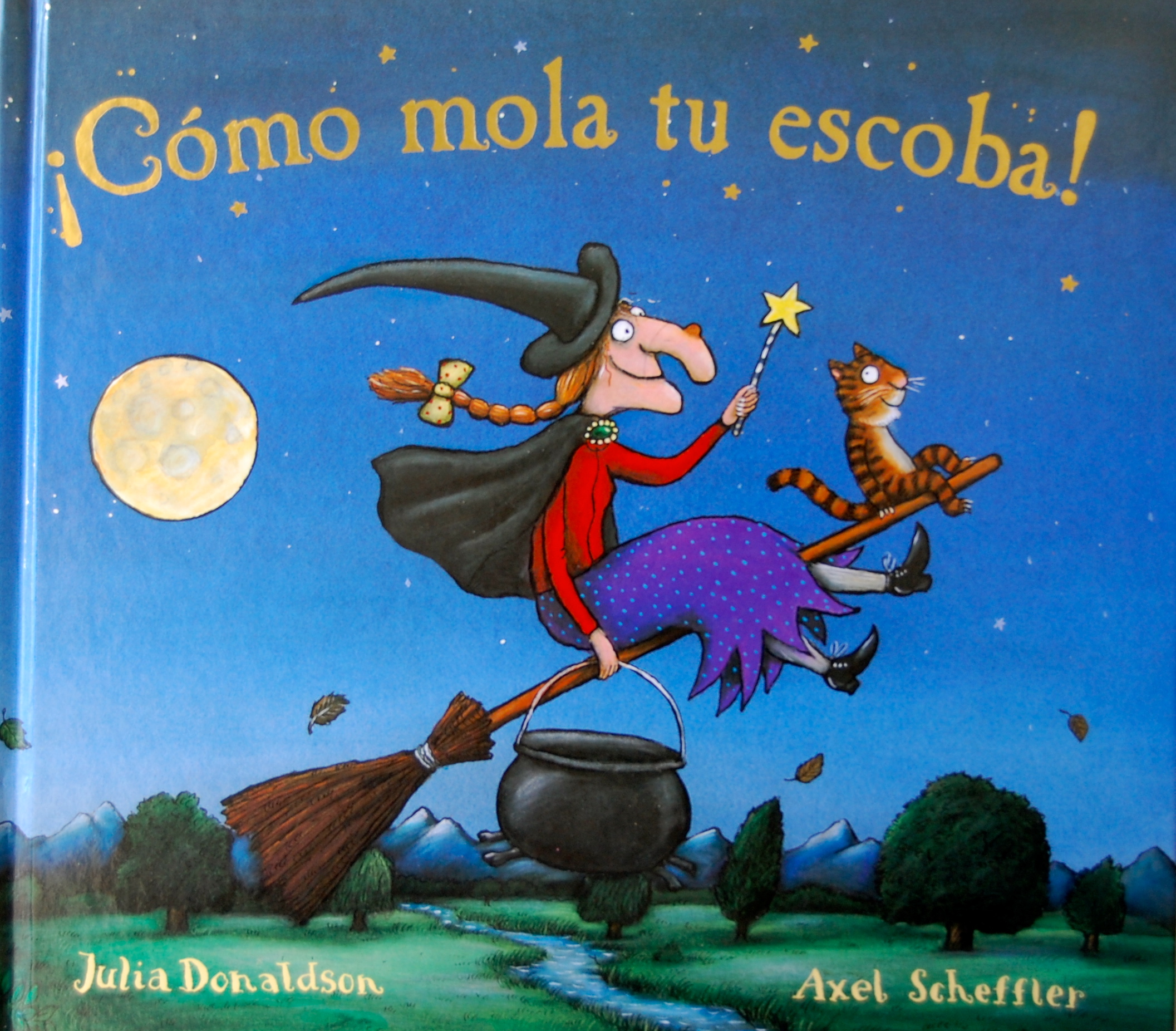
11. Como mola tu escoba por Julia Donaldson (Room on the Broom by Julia Donaldson)

Como mola tu escoba!


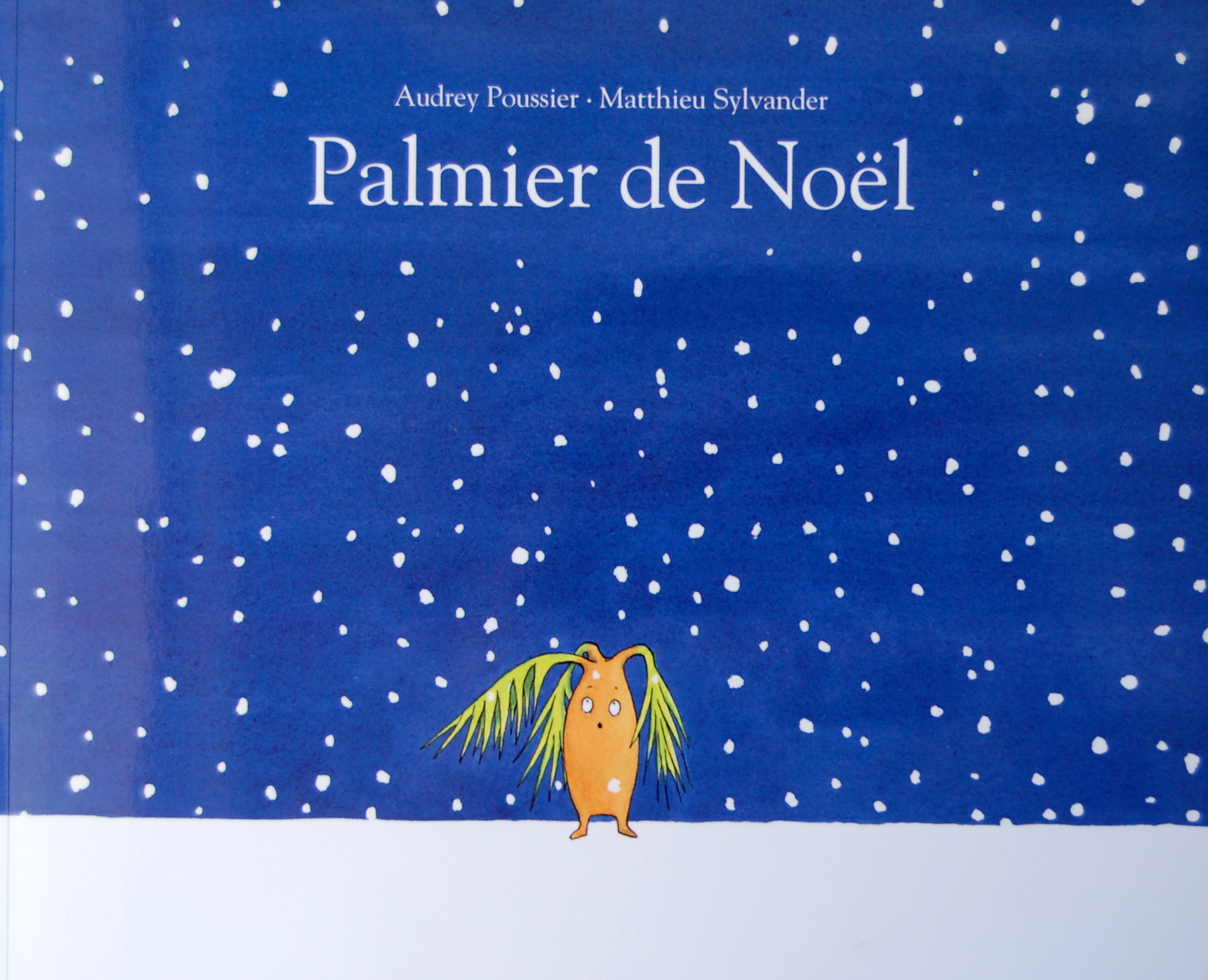
12. Palmier de Noel pour Audrey Poussier

Palmier de Noel


13. Le Plus Malin pour Mario Ramos

Le Plus Malin


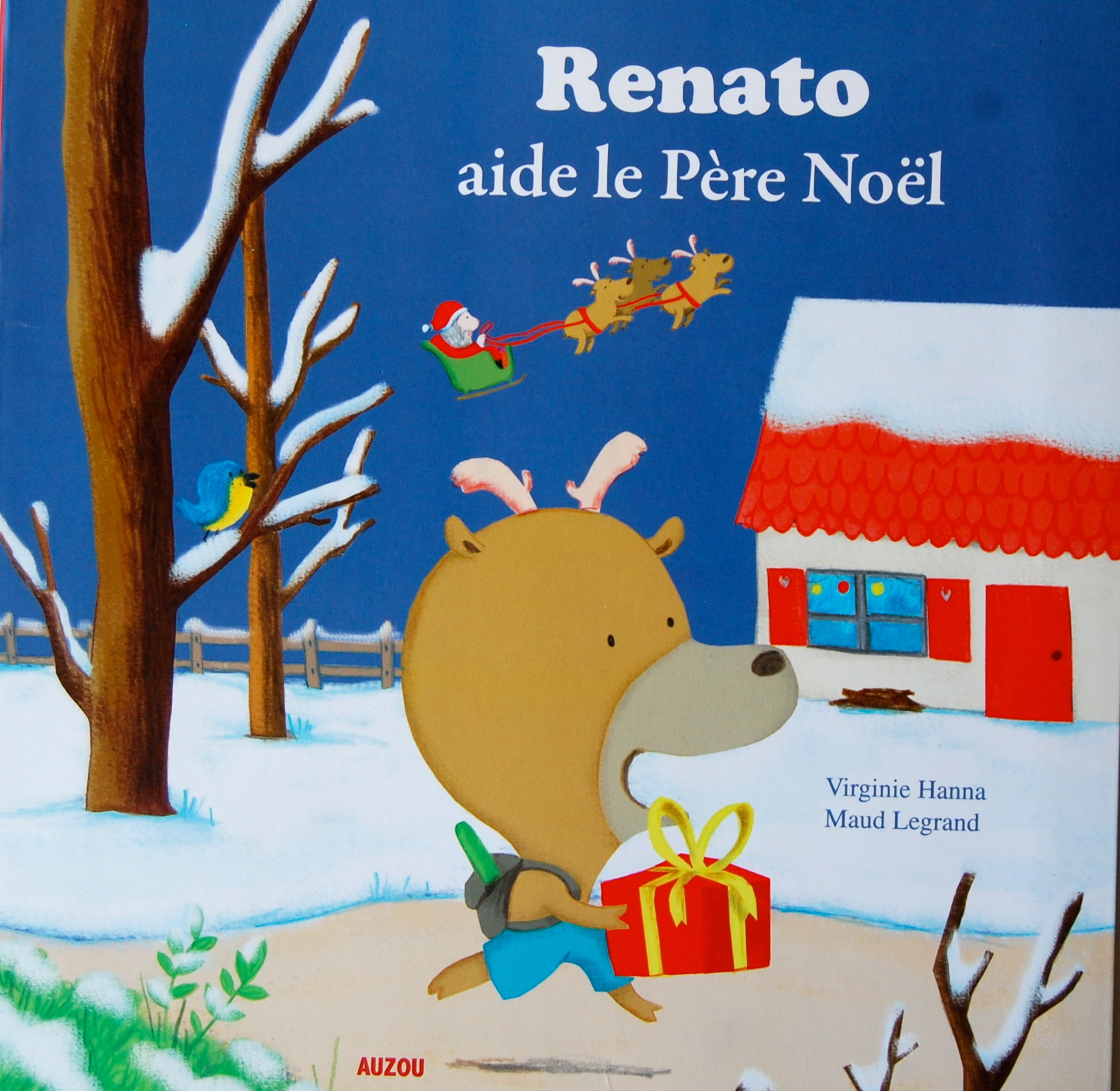
14. Renato aide le Pere Noel pour Maud Legrand et Virginie Hanna

Renato aide le Pere Noel


15. The Gruffalo by Julia Donaldson

The Gruffalo


16. Лучшая книга для чтения от 1 до 3 (The best book for kids 1 to 3 in Russian)

Лучшая книга для чтения


17. 1001 cosas que buscar en el pasado (1001 things to spot long ago)

1001 cosas que buscar en el pasado


18. The Tiger Who Came to Tea by Judith Kerr

The Tiger who came to tea


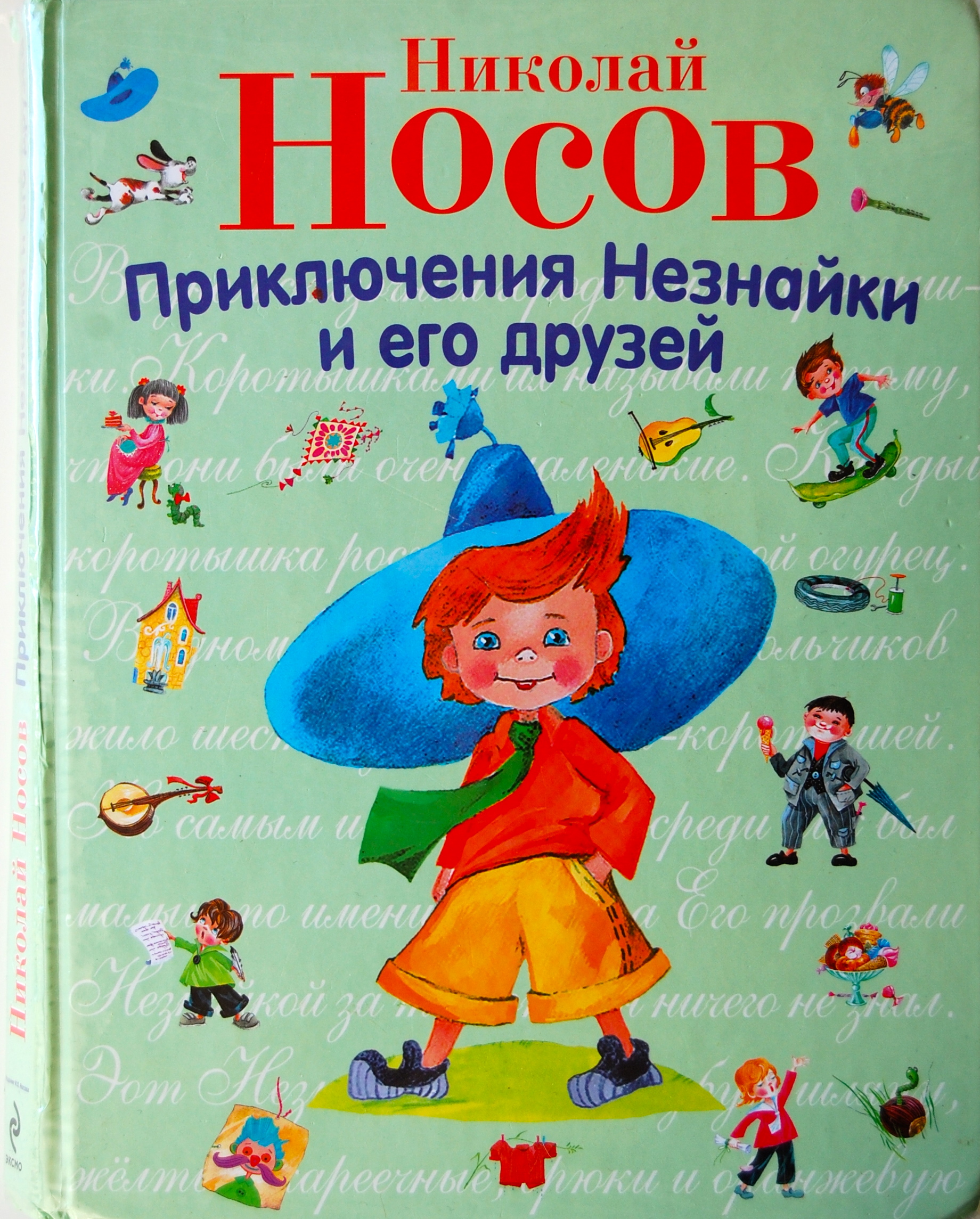
19. Приключения Незнайки и его друзей Николай Носов

Приключения Незнайки


20. Sant Jordi i el drac por Anna Canyelles i Roser Calafell (Sant Jordi and the dragon by Anna Canyelles and Roser Calafell)

Sant Jordi i el drac

“What’s your favorite book?” I asked my kids (Part 1)

Every year I ask my kids what are their favorite books. I want to document their likes, because a lot of times I am curious to know what were my favorite books when I was their age. And I wish somebody would have done the list of what books I read the most when I was three, four, five, etc.

Last time I asked my daughter about her favorite books when she was five. Right now she is six and a half and the 2013 is almost over. I asked her and my son this morning to select about a dozen of their most favorite books. I will publish both lists.

Part 1Favorite books of my six and a half year old daughter
(note: she was born in California, USA, currently living in Barcelona, Spain and going to a French school. Her main languages are Russian, Spanish, Catalan and French, and some English)

1. El Mago de Oz por L. Frank Baum (The Wizard of Oz by L. Frank Baum)

El Mago de Oz

2. Jean de la Lune pour Tomi Ungerer (Moon Man by Tomi Ungerer)

Jean de la Lune

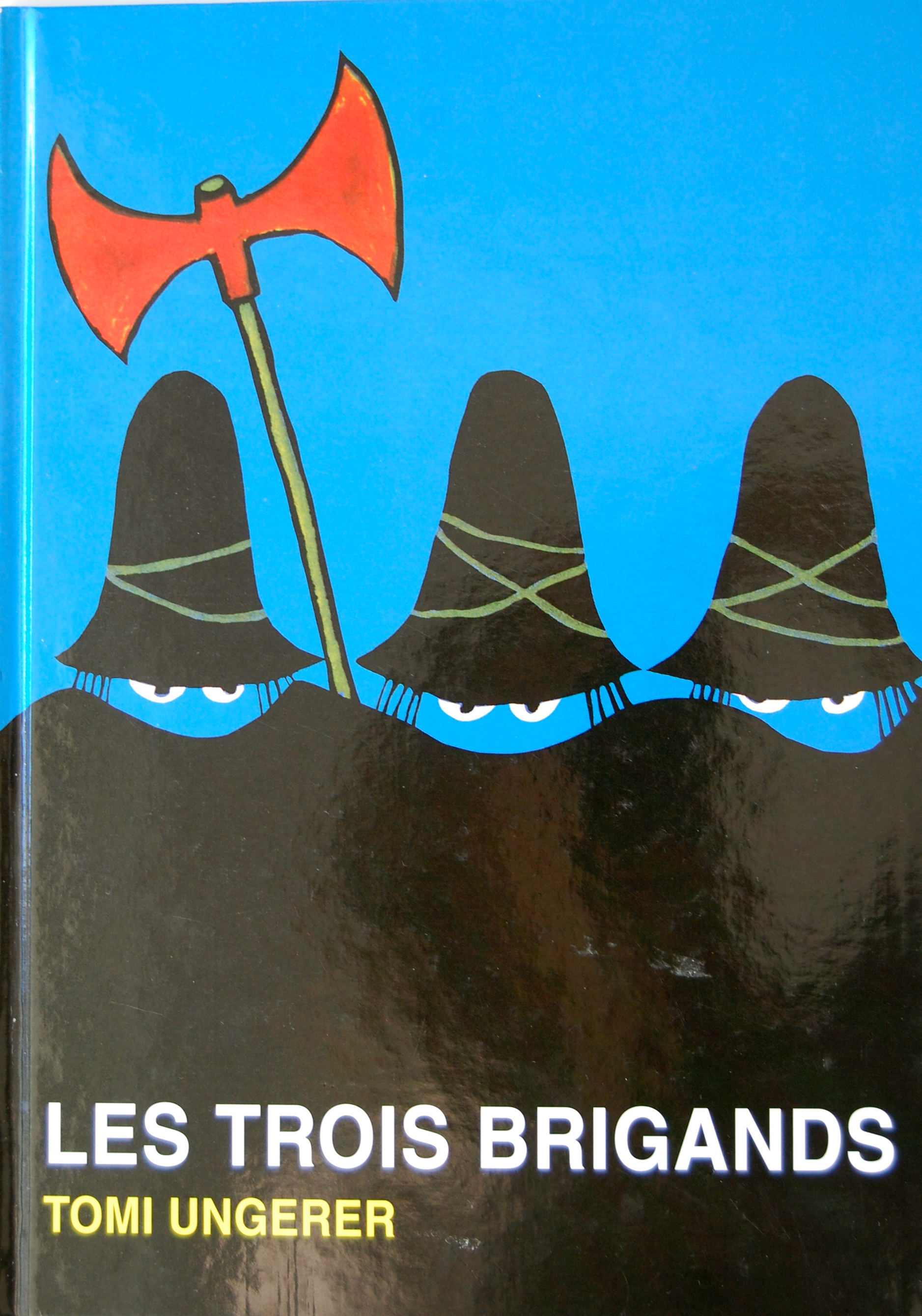
3. Les Trois Brigands pour Tomi Ungerer (The Three Robbers by Tomi Ungerer)

Les Trois Brigands

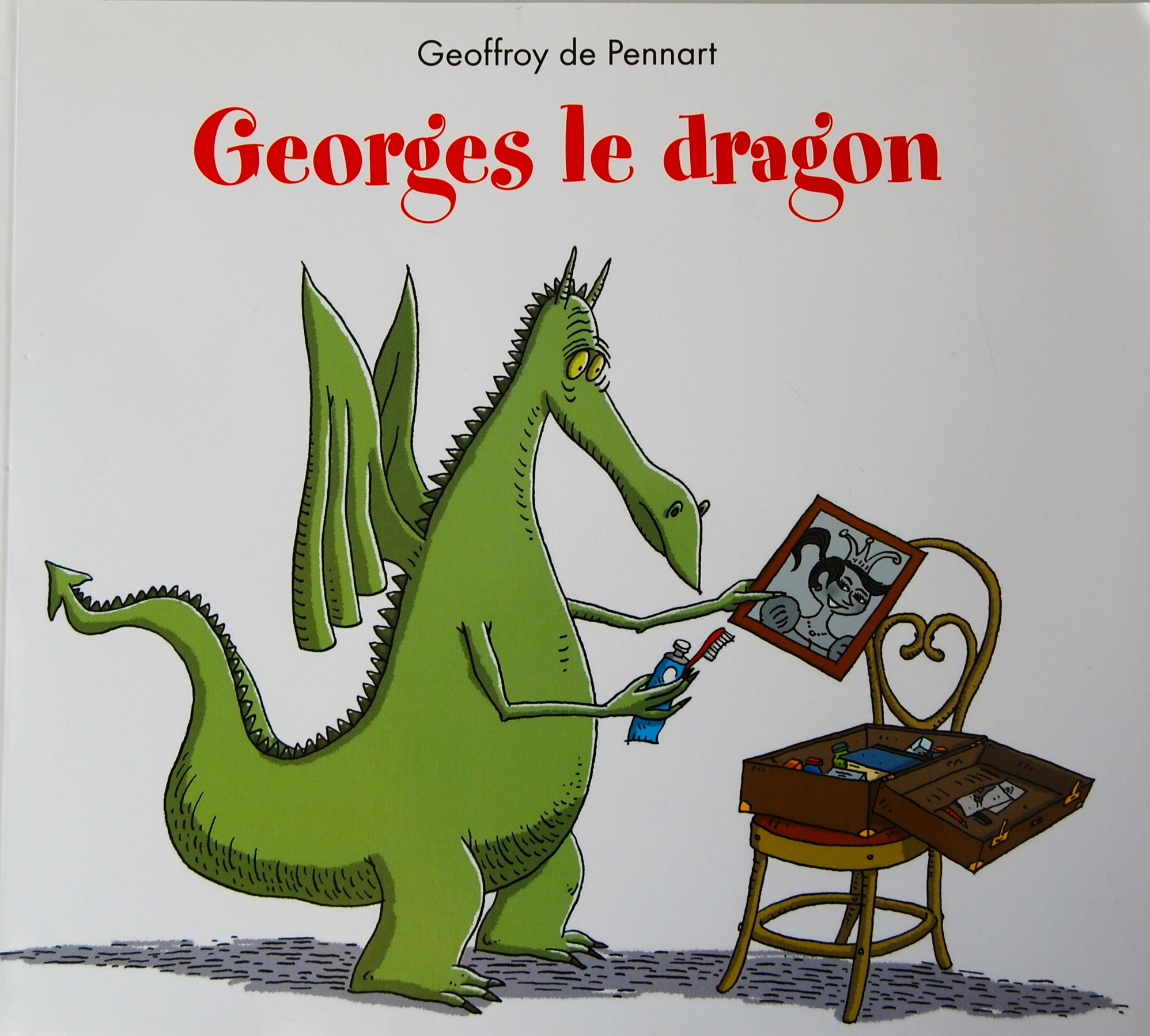
4. Georges le Dragon pour Geoffroy de Pennart (Georges the Dragon by Geoffroy de Pennart)

Georges le dragon

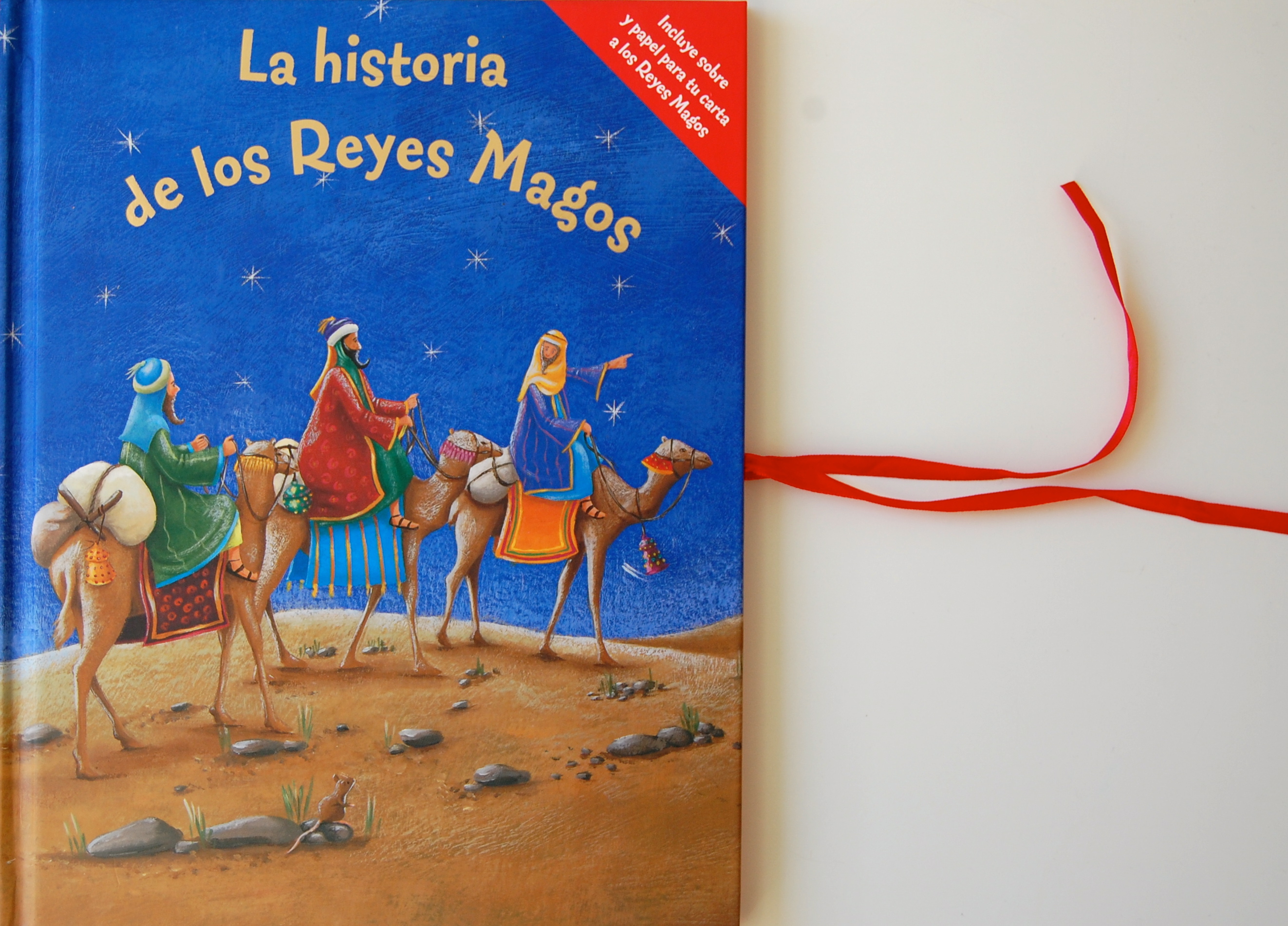
5. La historia de los Reyes Magos (The story of the three wise men)

Los Reyes Magos

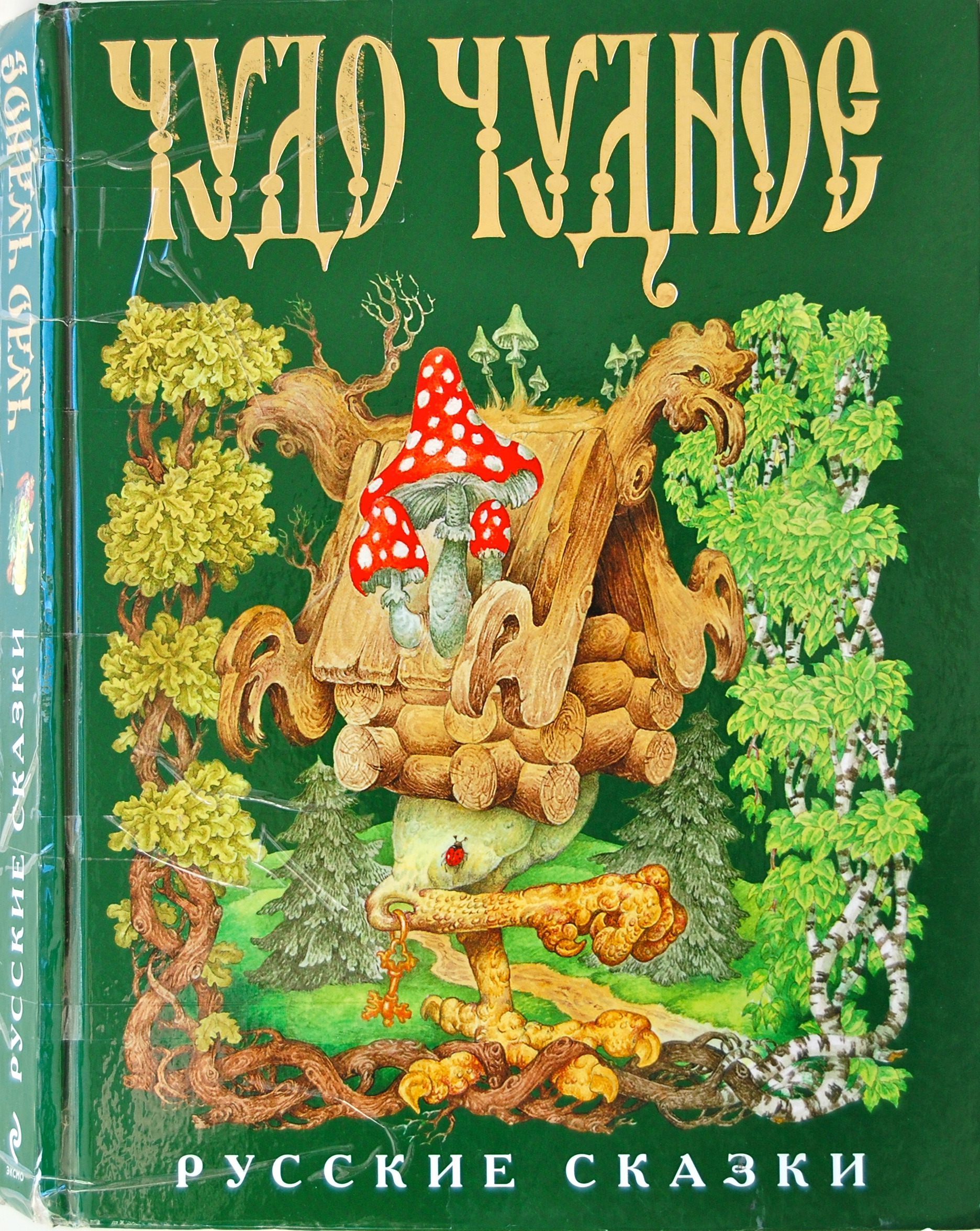
6. Чудо Чудное Русские Сказки (Russian Fairy Tales)

Чудо Чудное Русские Сказки

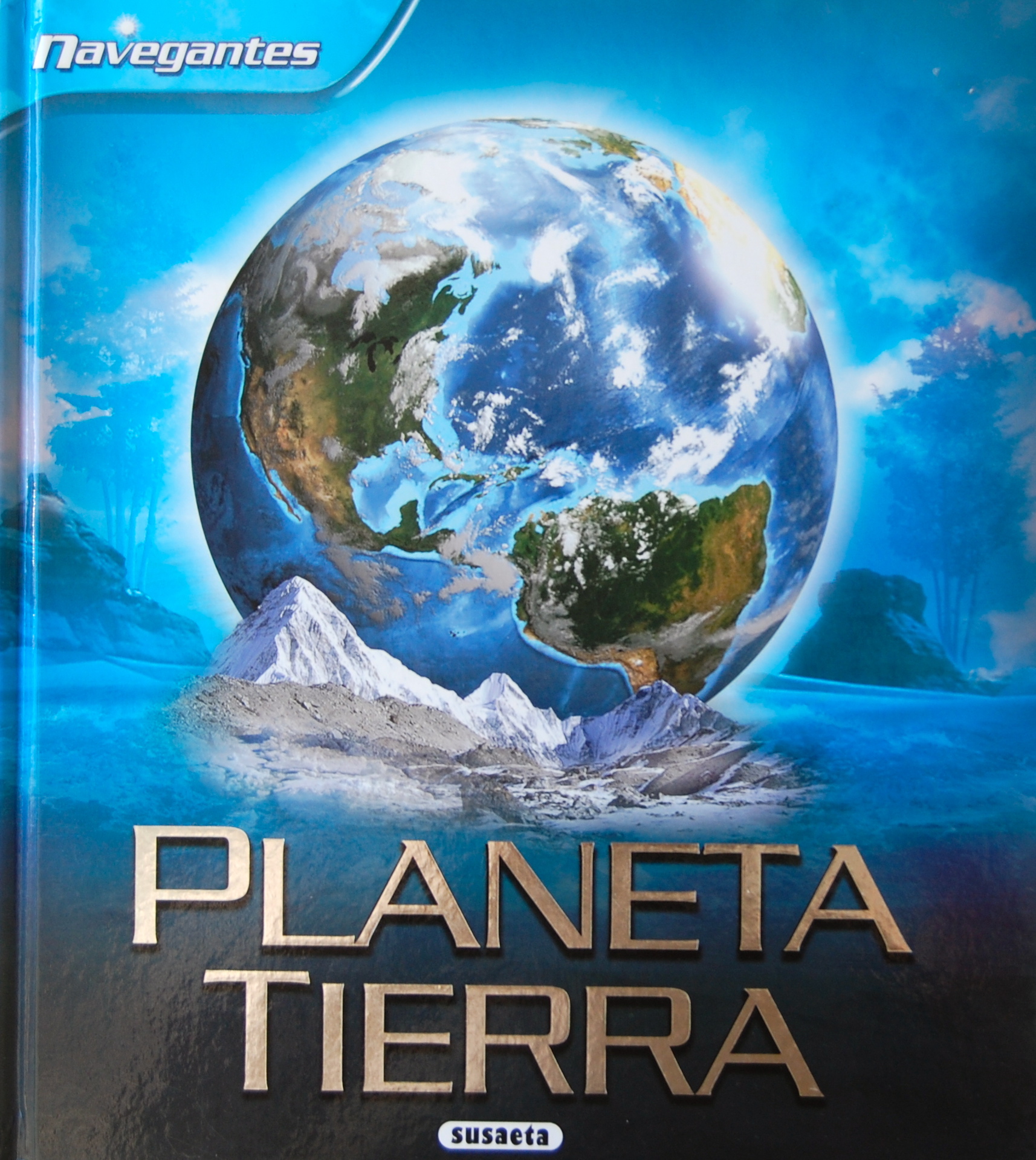
7. Planeta Tierra (Planet Earth)

Planeta Tierra

8. Маленький Принц Антуан де Сент-Экзюпери (The Little Prince by Antoine de Saint-Exupery)

Маленький Принц

9. El Sistema Solar por Rosalind Mist (The Solar System by Rosalind Mist)

El sistema solar

10. Busca los Caballos (Find the Horses)

Busca los caballos

11. No Es Una Caja por Antoinette Portis (Not a Box by Antoinette Portis)

No es una caja

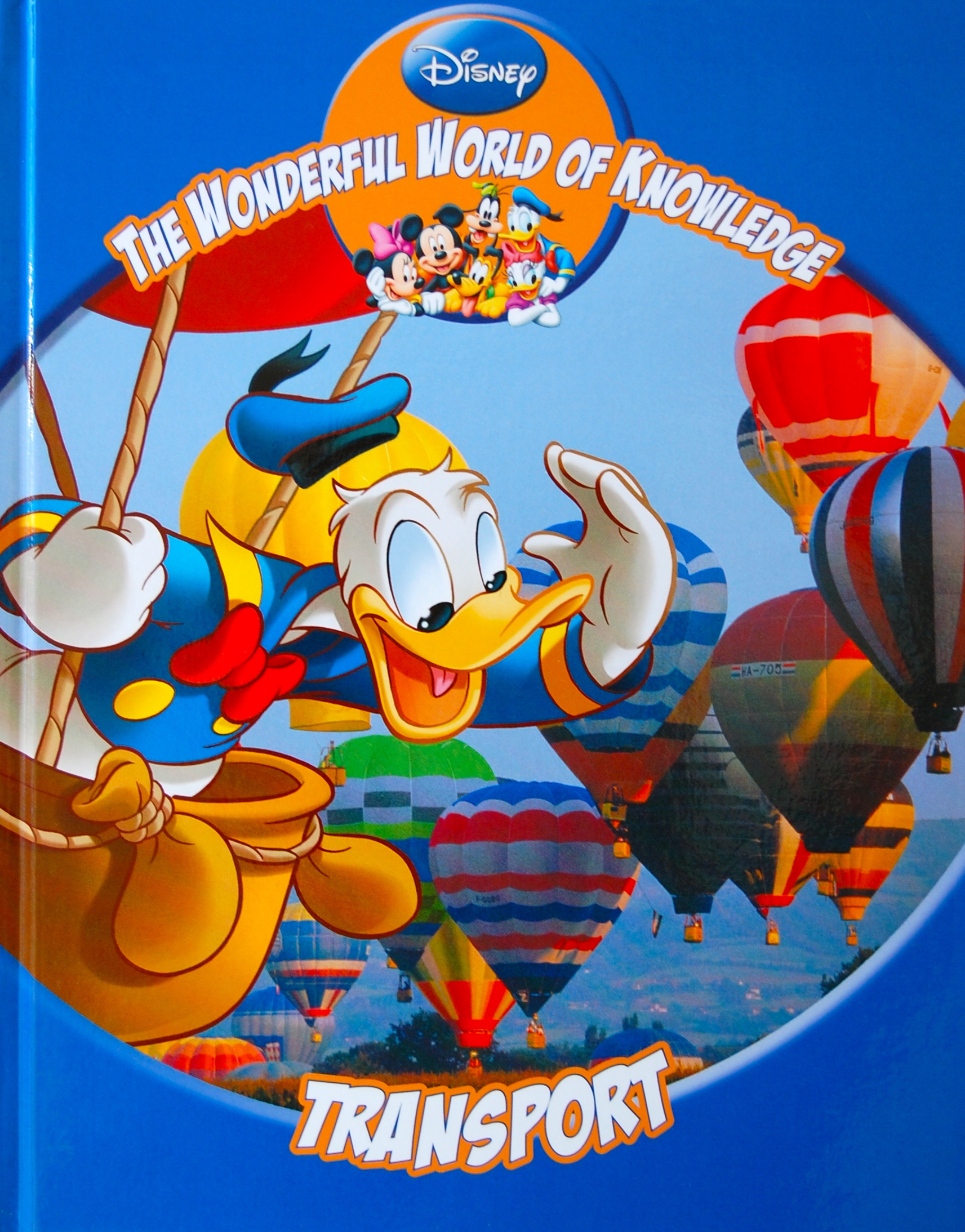
12. The Wonderful World of Knowledge, Transport

The wonderful world of knowledge. Transport.

13. Ponis por Laura Marsh (Ponies by Laura Marsh)

Ponis

14. Les plus beaux chevaux (The most beautiful horses)

Les plus beaux chevaux

15. L’imagerie du poney et du cheval (The visual dictionary of ponies and horses)

L'imagerie du poney et du cheval

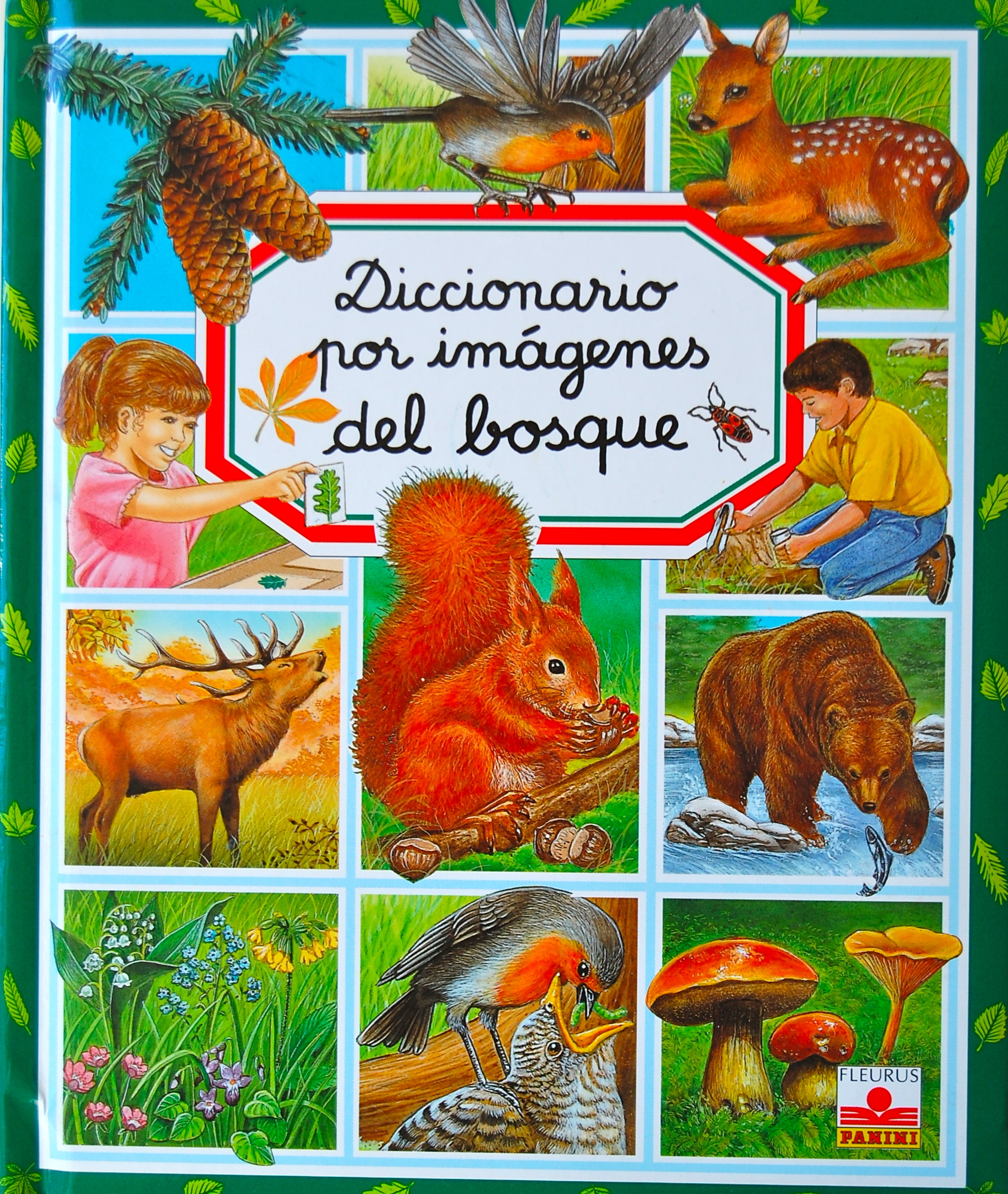
16. Diccionario por imágenes del bosque (The visual dictionary of forest images)

Diccionario por imágenes del bosque

Talking about Miro’s paintings with my six year old

Fundacio Joan Miro Barcelona

August 8th 2013:

“What have you seen today?”

“A bird that ate the sun.”

“What is your favorite painting in the museum?”

“There are two of them. The firebird (The Firebird) and the white bird. The white one with two color spots (The bird of the paradise).”

….

August 11th 2013:

“What do you remember from today?”

“Not from today. From the first time we went to the museum I remember two things. I saw them again today. The yellow egg on a chair, because of the color. And the second thing is a painting of woman, flower and fire.”

“What painting are you talking about. I can’t remember it.”

“It has a woman looking sideways, fire, flower. There is a red wall behind the woman. I can draw it for you. It has lots of red and yellow.”

(Flame in space and naked woman)

….

August 24th, 2013:

“What did you like today the most?”

“The two drawing of the garden” (Personajes en el jardin II and Personajes en el jardin IV)

“Why did you like them?”

“Because the garden was full of fruits”

“Those were not fruits, those were people’s faces”

“They looked like fruits to me”

….

“My favorite three paintings are of the birds and the sun. I like the one where the bird ate the sun.”

“What do you like about them?”

“All three paintings have a bird, a blue rectangle, a sun and a star. The star is important and easy to draw.”

….

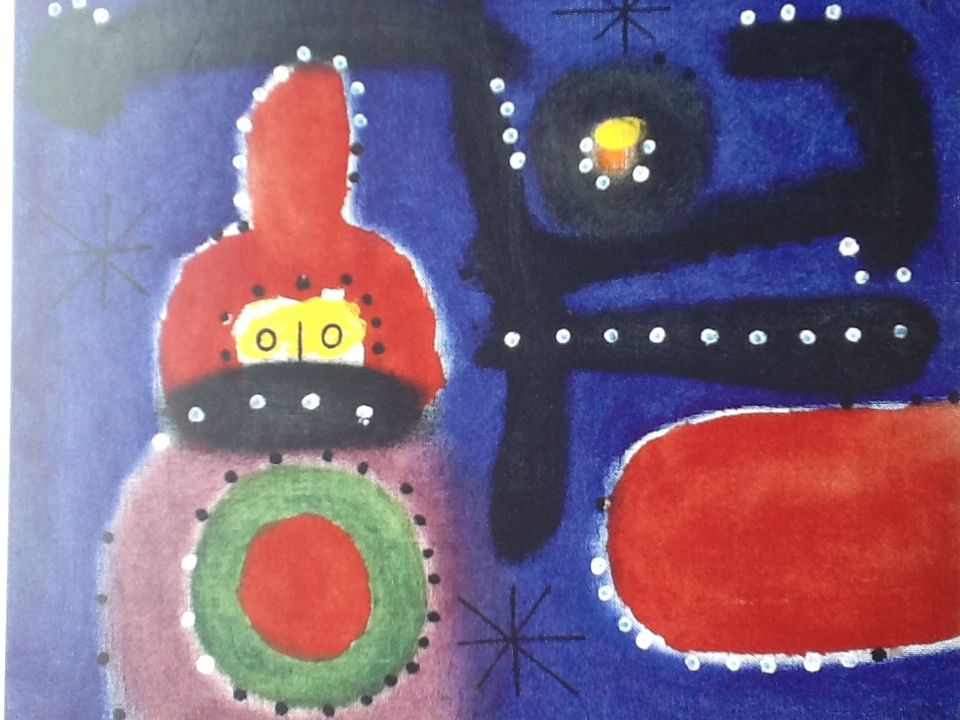
Miro's painting

“I know how he did this one. He used cotton swabs. I am going to do one at home too.”

Lorena's painting ….

“Can we lick the mercury fountain?”

‘No.”

“Is there fish in the fountain?”

“No.”

“Hmm. Let’s stay here for a while and look how the water falls.”

….

“I do not know whether I want to be an artist or a horse as a grown up.”

and a little bit later

“… I think I can be both. I will be an artist in the mornings and horse in the evenings.”

Las Montañas de Nieve

The salt mountain, Cardona“Where will we go today?”
Miro is three years old. It is August and we are in Spain.
“I do not know. Let’s look at the map and see what is around here.”
“Let’s go see another castle.”

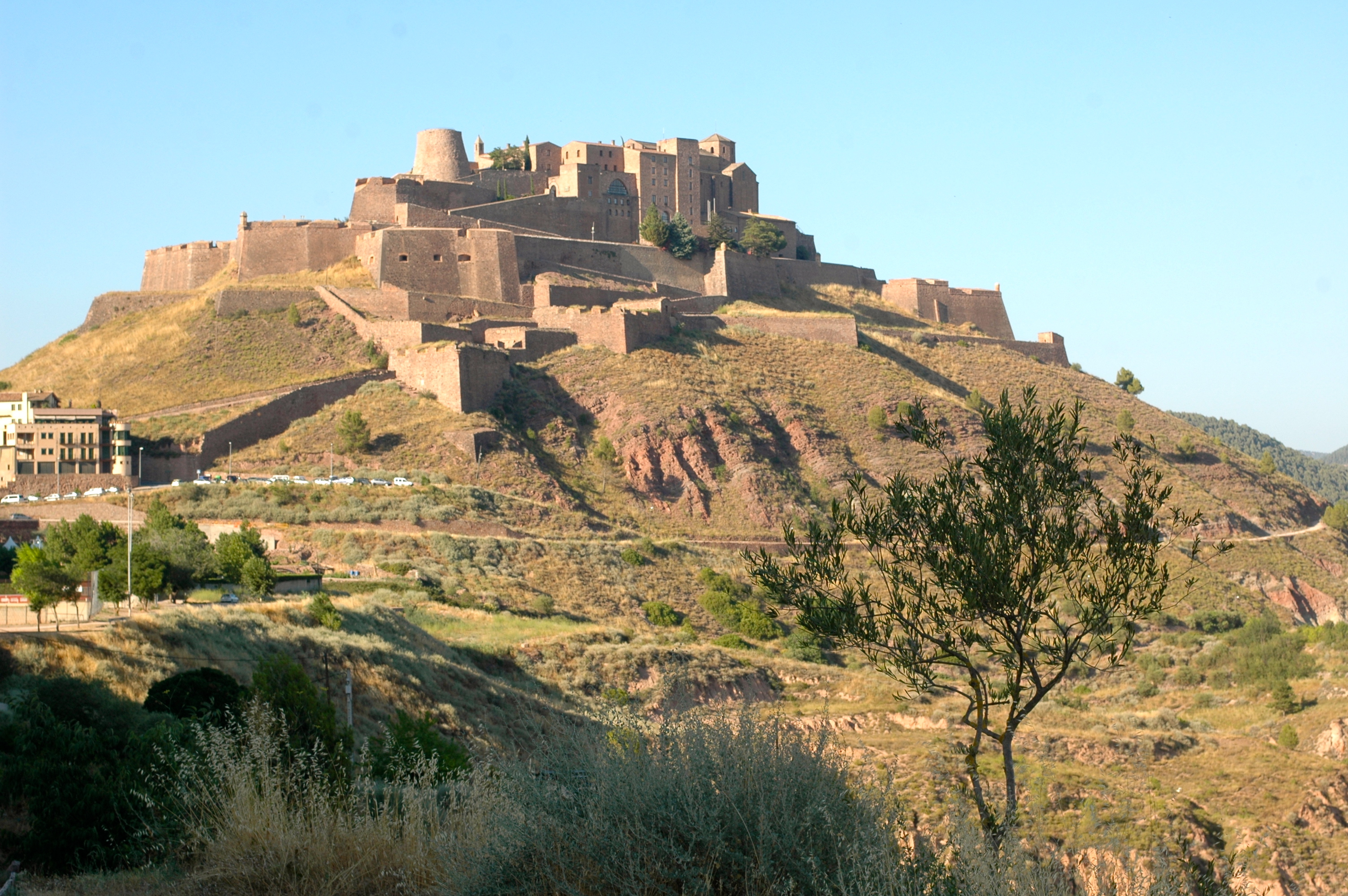
After we pass Montserrat the main color is yellow. Sunburnt country. The hills before the Pyrenees are green. We stop at Cardona.
“What language do we speak here?”
Lorena is six. She has asked me this question many times this summer. Every time the car stopped in a new town.
“Spanish or Catalan. Whichever you prefer.”
“Catalan.”
“Good.”

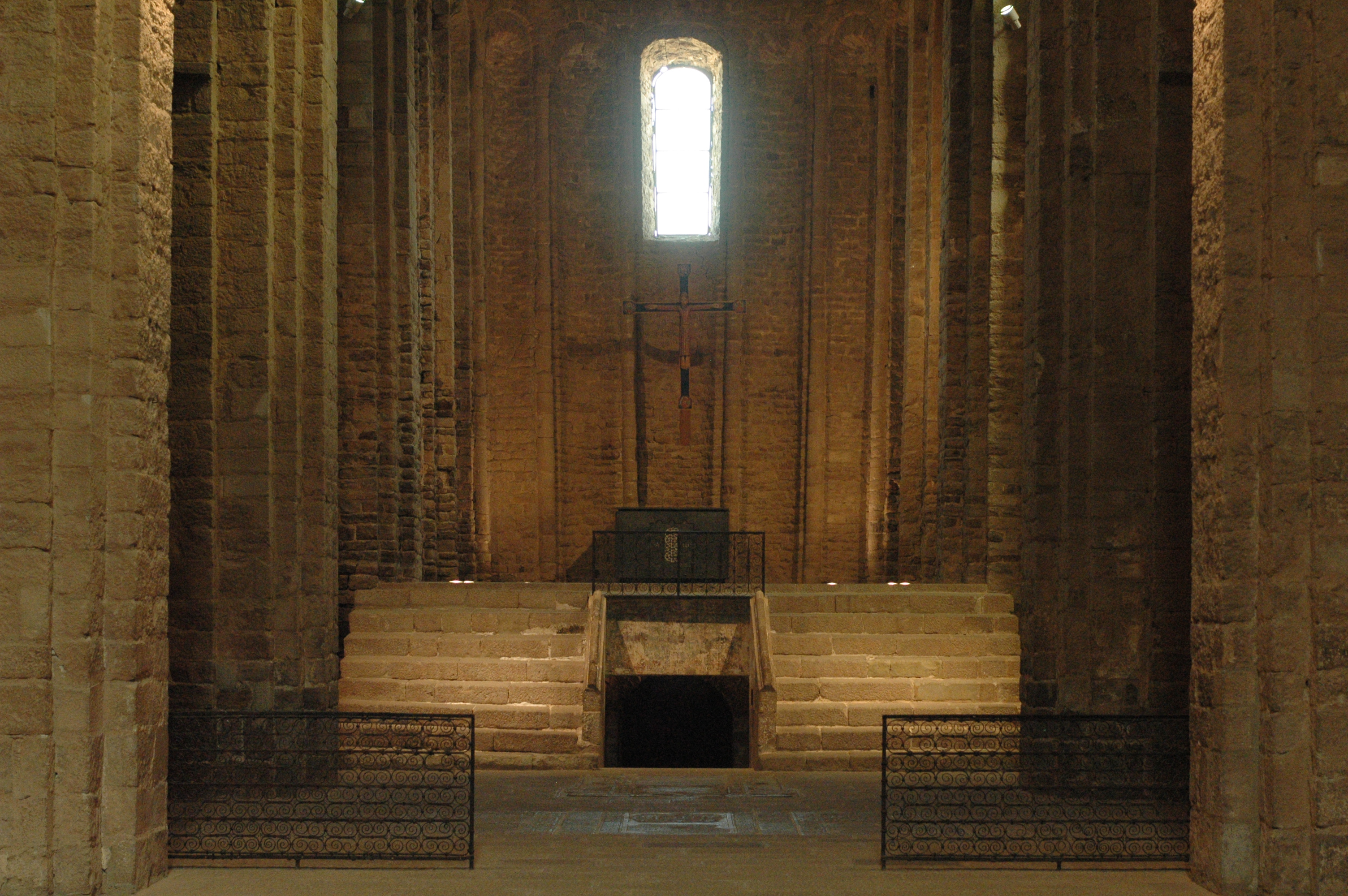
“The fence is from the 12th century. The frescos have been removed, you can see them at MNAC.”
It is cold in the crypt. I sit on the stone and watch my children run around the crypt and the church. We are the only visitors here. The kids are playing horses. The guard, who opened us the church door and is standing next to it, smiles at me. The church is cool and empty. After the hot August sun the air inside is like water.

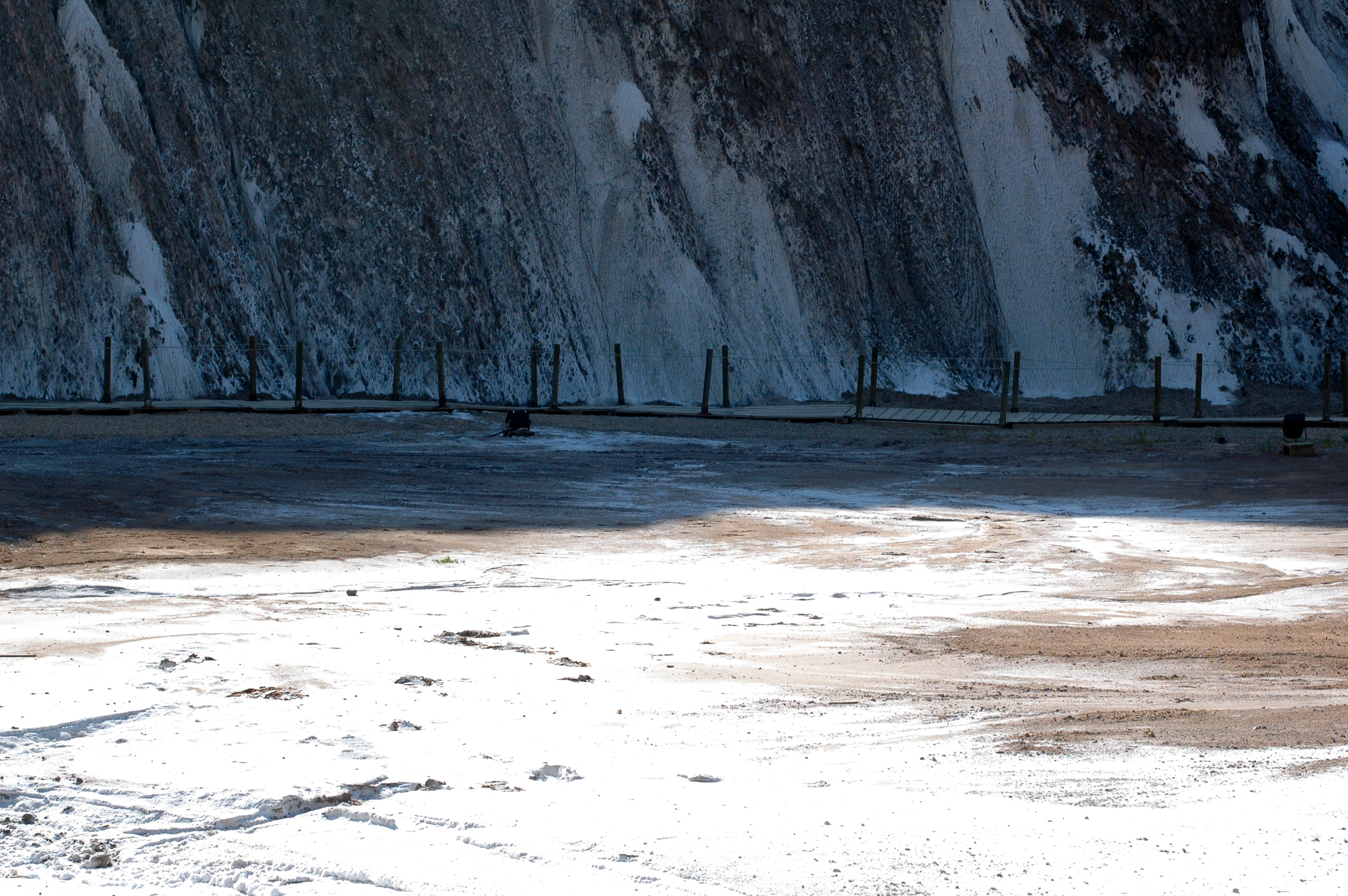
“Salt.”
“The white mountains?”
“Yes. We call them Las Montañas de Nieve. What you see from this window is salt.”
We buy a card and a book from the guard and leave.

The entrance hall is empty. We are the only visitors again. We are charged 28 Euros to be taken inside the salt mine. The kids are excited. We board on a 4×4 and drive to the mine. The road is made of salt. Then we walk on salt.

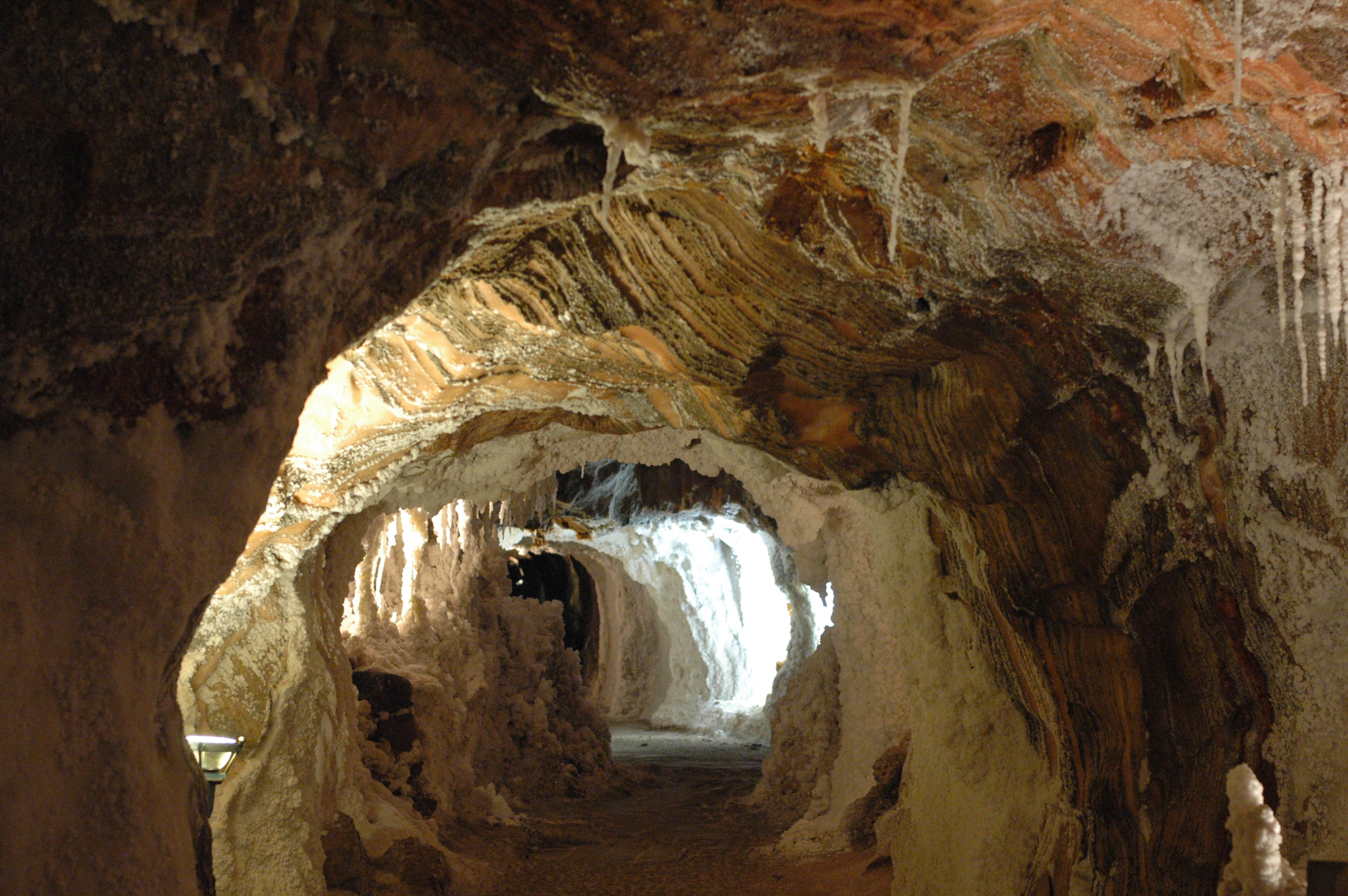
“All the mountain is salt. There is no rock or other elements inside of it. It consists of three types of salt, potassium, magnesium and the regular salt. Magnesium salt is mostly orange.
It breaks easily. Miners hated it,” Monica, the guide, is taking us on a walking tour inside the salt mountains.
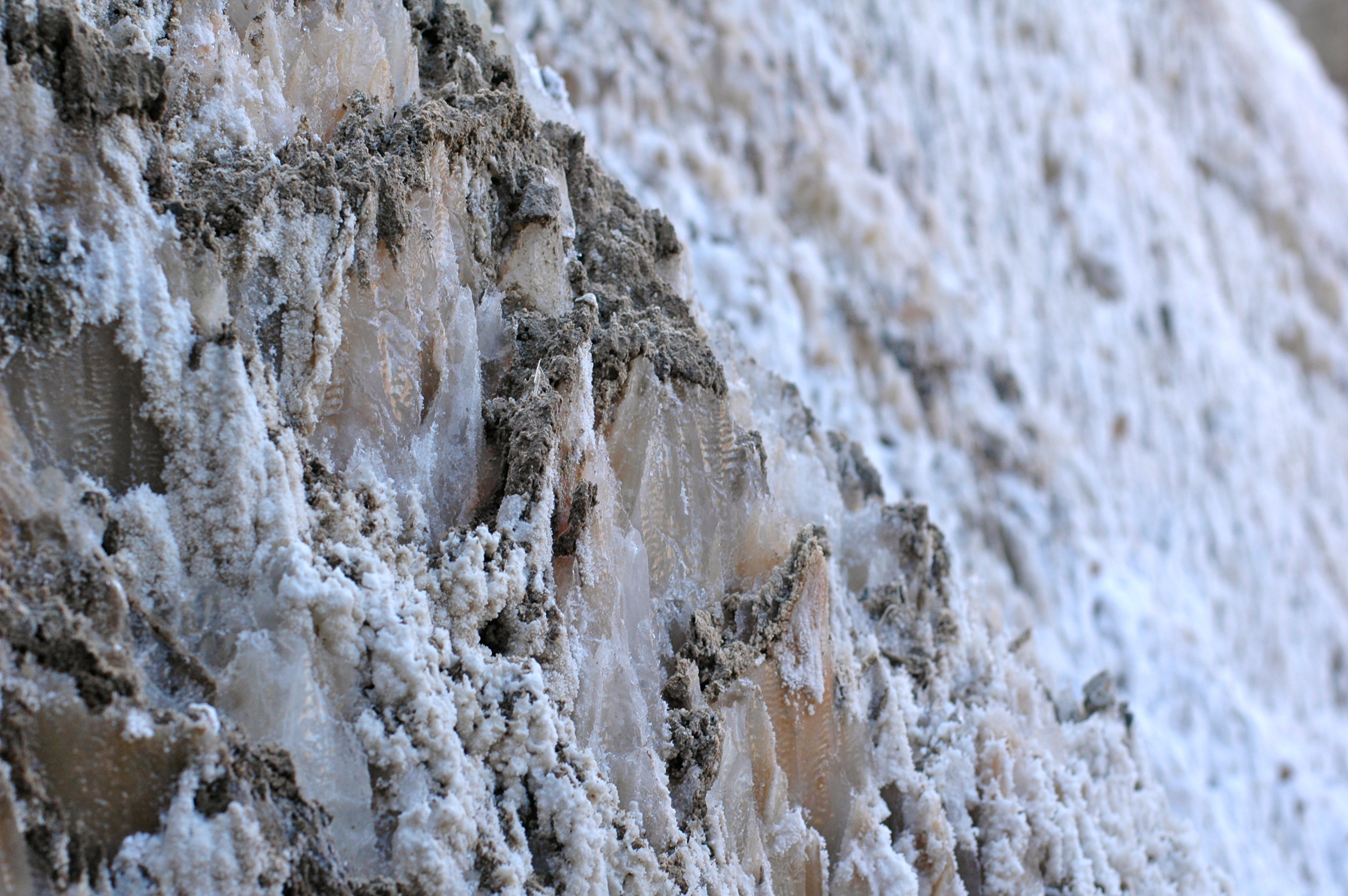
“Can I lick the wall?”
“Yes.”
Both kids are licking the walls with enthusiasm.
“Umm. I love salt.”

It is cold inside the mountain.
“We are 46 meters deep now, the temperature is stable at 17C here.”
“Was the temperature an obstacle to the mining?”
“It was, but not here. The mines go up to 1300 meters deep inside the mountain. It is all salt. The miners were only interested in potasa (potassium). It was used for gunpowder. In this mine about 30% of the salt is potasa. Every time there would be no more left, miners would go deeper into the ground. At 1300 meters the temperature of the earth is 50C. Miners worked at these conditions with ventilation installations. Also, the ground waters were dripping non stop and it required a lot of machinery and human labor to keep the mine dry and in working conditions. In 1990s the mine was closed as the operating costs surpassed the profits. Ten years ago it was opened for tourism.”

I ask Monica how did the city life changed with the mine closure.
“I think it is good that the mining was terminated here. Otherwise in 50 years there would be no mountain left. We would have lost all the resources and the scenery.”
“How do the people live here now?”
“Tourism.
“Does it give enough?”
“Not yet. Tourism is a longterm investment. We are very young in this sense. We have the castle (Cardona Fortress) and the mines. In 20 years from now it will be better. It will give us profit while conserving the heritage.”

Living off the heritage. I fall silent. I look at the mines. They are beautiful and motionless. The quietness of not living. My eyes see people working. The effort and excellence of human mind and body created kilometers of tunnels, clogging the salt rock with the machinery noise and dust. You must be good! You must be damn good at what you do in order to do it! Otherwise you would not touch this mountain.

While we are waiting for the 4×4 Lorena talks to Monica in Catalan. I can’t hear her. I am surrounded by the absence of sound that comes from inside of the mountain. I can see Lorena hugging and kissing Monica on the cheek.

“I have seven horses. Come to visit me and you can ride there. I live close to Sant Llorenç de Morunys. There is a swamp called La Llosa de Cavall. You will find me there. There is only one house along the swamp, this is where I live. And I have a 10 year old daughter. Come over for a visit.”
“Can we visit Monica?”
“Of course.”

In the car I write down the name of the town and the place.
“You do not need my phone number. If I am not at home, go to the town and ask for Monica de las Casas, this is how they call me here. You will find me.”
“We will. We will come over next Saturday, will you be there?”
“I will.”

“Mom, I love Monica. What color do you think are her horses? Will she have white ones? I do not like white horses.”
“Neither do I.”
“I know. This is why I do not like them too. They are awful, right?”
I look at her and laugh.
“Nope. Some of the white ones must be fine. It is just the one that I rode was bad-tempered. Almost broke my hands once. Others must be good. Do not be afraid to ride white horses.”
“I am not.”

We drive in silence. Then kids start talking about the salt mountain. They want to go there again.
“Are you tired?”
“No.”
It is close to midnight when we get on B-20 towards Barcelona.

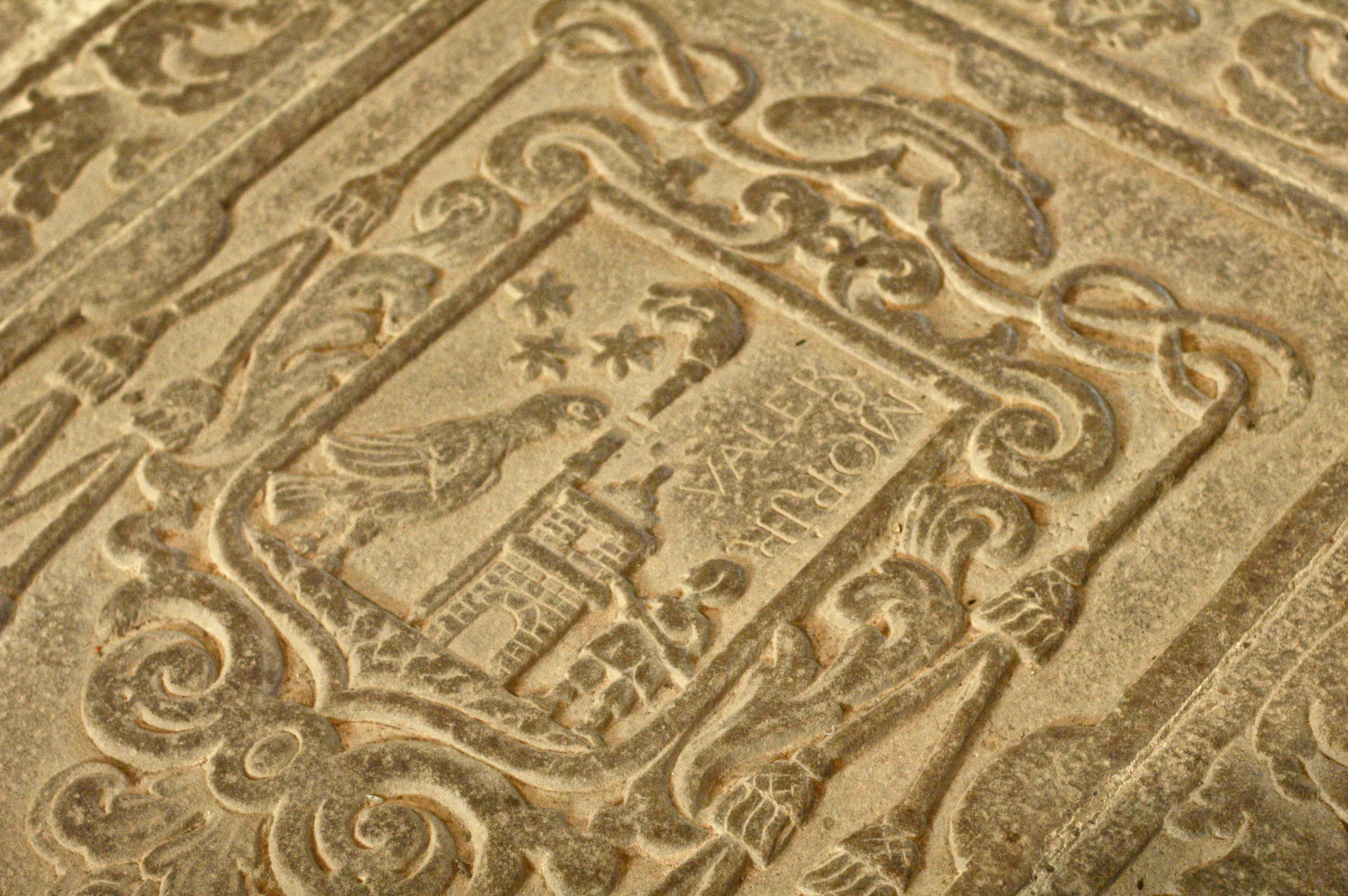
Cardona FortressCardona Fortress.The church, CardonaSan Vicente church within the castle.CardonaThe view from the castle.Salt MountainThe Salt Mountains, CardonaInside the salt minesInside the Salt Mines, Cardona.salt mountainsSalt Mountains CardonaSalt Mountains.San Vicente churchInscription on the floor of San Vicente Church within the Cardona Fortress: Valer o Morir.

Onstage you always smile

Lorena onstage b&w

“Remember girls, onstage you have to look happy. Always! You have to smile when you dance. When you dance here on a real stage, you have to forget about your tiredness, about your parents, about the public, you have to forget everything except the desire to dance well. Dance to your best ability, dance with joy, always with a smile on your face. Your hands and feet know what to do, now you have to dance your best and smile. It must be the smile of acknowledgment of your effort, of your ability. Your hardest work is the best celebration and joy you will have in life.”

“Please do not dance just to have fun, do not just do something for the sake of doing something. Always do the best you can, do it with purpose, with passion, strive, work hard. Now you have seen the lights turned upon you, wearing a beautiful dress, wearing makeup, may be for the first time in your life. Do you know what it means?”

“This beautiful dress is a part of celebration of your effort and your ability. This dress represents your purpose, it accounts for every hour your spent dancing to be on this stage, it is the beauty of your hard work. Wear it with pride! Wear it with a smile! You are the true owner of this dress now!”

“Today is your last rehearsal, tomorrow the public will be watching you. Forget everything except how well you can dance! Your chin always up, a smile, and only think about the best you can perform! In this accomplishment and in the celebration of it lies the happiness.”

Those were the words of the ballet instructor to the girls who were about to perform onstage for the first time in their lives. Skirts, tutus, little feet running behind the stage. People in black hurrying around, gesticulating, the dresses being steamed, girls rehearsing in the halls, makeup artists, voices. Music, more little feet running up and down the stairs. “The door one?” “Ready.”

I generally do not put the portraits of my daughter on this blog. However, I made an exception this time. I find these two portraits to be a reflection of what she was able to do. I did those shots behind the stage, at night, after the last rehearsal was over. She was very tired. I asked her if she was afraid of dancing onstage and she said she wasn’t. And added that she wants to go back onstage. She just turned six.

Lorena after her baller rehearsal

On the Road to Spain

“Lorena, Lorena,” the voice was intense and quiet.
“How do you know that my name is Lorena?” she asked.
“I know you. I saw you many times.”
“It is raining,” she observed.
“Do you know that when it rains in Spain it snows here?” he asked.
“Yes,” she whispered.
“And when it rains here it snows in Spain,” he said.
“It never snows in Spain,” she stated in a steady voice.
“Yes. Sometimes it snows in Spain,” the boy insisted quietly.
“It never snows in Spain on Christmas,” she said.
“Spain is the only place where it does not snow on Christmas,” he agreed.
“It does not snow in California on Christmas. California is in America. I used to live in California.”
“My dad goes to America a lot,” said the boy.
“May be he can come to my house in California next time he goes there,” she offered.
“He never stops in America. He just flies the plane there and comes back. He never goes to anybody’s house in America. He flies over the country, that’s all,” the boy observed.
“My dad works in Norway. He also flies there. Then he lives there,” her voice sounded even. She was merely stating a fact. Then she added, “What’s your name?”
“Pablo.”
The whispering stopped and there was silence. The bus was going at a steady speed through the hills of the Pyrenees. It passed green pastures, vineyards, villages with its churches and fields. Fields that were now bright green with patches of red poppy flowers sprinkled along the road.
“Pablo, Pablo,” she whispered.
“What?” he turned to her.
“I was looking for you,” she said.
“I saw horses.”
“I know,” she felt silent and then added, “My dad told me once that if my mom works a lot we will be able to buy a farm in America and five horses. All I want in life is to live on a farm and ride a horse.”
“My dad just bought a new car,” Pablo said in the same low and intense voice.
“We do not have a car here. We get one when we need it. We are going to move to another country soon.”
The bus crossed the Spanish border. Both of them felt silent looking at the road.

I Didn’t Teach My Daughter To Read

First sentences Lorena read

At 4:30pm my son and me picked up Lorena from school. Well, it is a kindergarten actually, she is only five. All three of us went to a cafe for coffee and sandwiches. We usually do this twice a week when Lorena has her ballet classes in the evenings. We are sitting at the cafe and talking about her day, when she looks at my jacket laying on the chair next to her and clearly reads “Zara”. “How do you know it is from Zara?” I asked her. “I read it,” she replied. She continued, it says here, “Zara Basic”.

Being half shocked, half incredulous that she can read, I took the notebook where she was drawing and wrote her a word in Russian Миша. “Can you read it?” I asked her. She read it fine. Then I wrote a word in Spanish Bolso (bag). She read it too. I did not select different languages on purpose. I was completely under shock. The reason I was under shock, is because I never taught her how to read. Nobody did. I had a lot of pressure from my side of the family on that issue. According to my parents I was taught how to read by the age of four. And by the time I was five I was reading one hour per day by myself. Thus, everybody believed that I should dedicate time to show my five-and-a-half-year-old daughter how to read. I resisted it mainly for two reasons, first, because I tried, and both of us found it extremely boring. Lorena and I prefer to read story books, adventure books and classical poetry and literature, rather then A B C books, textbooks or reading-initiation books. The second reason was, because I did not want to push her into reading before she actively asks me for it. I was waiting for the day when she would come to me and say, “Mom, show me how to read.” However, even with those two good reasons I always felt guilty. I felt guilty that I did not teach my daughter how to read. Sometimes I would view my reasons as excuses, and then I would do some attempts to show her that skill. Failed. Failed. Failed.

So, there we were sitting at the cafe today. I decided to try it with the sentences. I still could not believe she actually can read. I wrote the first sentence that came to my mind Yo tengo un perro (I have a dog). And she read it. Good. The next sentence I wrote in English I have a cat. She read it too. With a perfect US pronunciation. Then, I wrote in Russian Я люблю балет (I love ballet). By now I was curious. Well, she read it too. I wrote another sentence in Spanish Yo tengo un hermano (I have a brother). With the same result. In my last attempt to show myself that I am dreaming, I wrote a sentence in French. Among the languages she speaks French is the one she is less fluent in. She only started speaking it last year. And I wrote, Je alle a l’ecole. Well… I guess I should say Voila, she read it too, with the correct French pronunciation.

While Lorena was in her ballet class I could not stop thinking about her reading. How did she learn? How come she can read in four languages when nobody showed her how? I asked her at the cafe if at the kindergarten they were taught how to read or if her grandma showed her how. She replied negatively. She told me they learnt all the letters at her school, but that they do not read words there. They do write simple words though, from what I know.

At the dinner I asked her how she learnt to read. “I thought,” she said. Her reply really caught my interest. “Though about what?” I asked. “Well, I thought that my name Lorena is not just a one letter, it has six letters L, O, R, E, N, and A. Then I looked at the Miro’s name, see, it has four letters M, I, R and O. It is not just one letter. So, each word has different letters, if you break the word down you get separate letters, if you sum up letters you get words. It is simple.” Now she totally got me. I would have never thought of such an explanation, sounds too simplistic. But sometimes child’s mind works differently from ours. I think that all the textbooks were written by the grownups, this is why it is so difficult for kids to learn how to read using those books, apart from the fact that those books at not exciting to read. Mine is just a one person’s opinion, but I think that in order to teach the child to read we need to read them exciting books. Read them often. Every day. Books that have love, passion, fear, emotions, laughs, tears, heros and villains, cavaliers and gentle ladies, princesses and dragoons. If the kids are interested in the magical world that the books can open for them, they will figure out their own ways to learn how to read. It sounds really simple, but I think this is all there is.

At night Lorena read a full ten-page book by herself. It was one long sentence on each page. And she did not finish the book. She left it on the page nine. I did not mind it at all. It was not about finishing the book. It was about the fact that she greatly enjoyed reading the first nine pages. Then she got tired and went to sleep. The book she selected was in Spanish. She told me it was the easiest language to read.

Barcelona, March 12th 2013

To Be A Mom Of A Boy

Miro in France

This morning making my son’s bed I thought about what it means to be a mom of a boy.

It means finding lots of trains and airplanes in his bed. I am still wondering how does he sleep with all these transportation devices. Exactly 3 trains and 11 airplanes.

It means feeding him breakfast while he circles in the kitchen with his tricycle. Almost a drive-through kind of thing.

It means inventing stories about tractor Mitia that only eats meatballs, but sometimes gets lost in the forest and has to live on the berries and mushrooms. A new story every meal.

It means hearing him debate with his sister that I am only his mom. He loves his sister, but he does not want to split his ownership of the mom. And then “my mom” pronounced in his sleep at midnight sound like the softest and kindest words somebody ever said to me.

It means fixing his broken railroads while he is at the daycare. I should be working in these productive hours, but I take 15 min to fix his railroads and the airport, so he gets excited when he comes home.

It means singing a song to him when he asks for it. Even if we are on a bus or in a cafe. Does not sound like a big deal, but if you ever hear me sing, you will know why I would not do it under any other circumstances in a public place.

It means not screaming when I see him standing on our dining table with a broom in his hand trying to hit an Ikea paper sphere lamp on the ceiling. It takes a breath to tell him, “Miro do not do it” and hug him and put him down on the floor.

It means letting him grow; Telling him medieval stories of cavaliers, princesses and noble men. I often find him fighting imaginary dragoons to defend mom or a princess. It means telling him about love through the story of The Little Prince.

It means to show him through love how to be independent. I love him as a mom, I love him because he is my son. And I will love him independently on who he becomes, what he does in his life or what he does not do in his life. This power of love will make him strong and independent, it will let him become whatever he choses to become. It will be with him for the rest of his life. It will be the base for his integrity, kindness, passion. And I believe that if I love him in this way, he will become all that. He will have the spirit of a Man.

Being a mom of a three-year old son is not about protecting, feeding or taking care of him. Really it is not, those are just tasks that anybody can do.  It is about giving him the freedom to grow into a Man. To show him that he is strong and passionate and gentle. To read him the lines that say that he is a part of the mankind and that his spirit is noble, not for himself, but for others. It is about passing him the love and light that will always be in his eyes, and that will make him act like a Man under any circumstances.

Being a mom of a boy means to be really thankful for everything he shows me in this world and within myself.

Barcelona, March 12th 2013

Read Me About The Elephant

Miro's Elephant

This is the book I used to read as a kid. When I saw it in a bookstore in France, it made me feel sort of at home. So we got it among the other books. For whatever reason my son favored it and has been asking me to read it to him during our breakfasts. And I read it to him. In my broken French.

I like how my son lives through the book. He explains me how the elephant’s nose hurt when the crocodile bit him. And he touches his own nose, and then my nose, to make sure it does not hurt. Nope, it does not.

And we read it in French and I laugh at my own reading performance (hey, I am getting better). And I remember how I used to read exactly the same book as a child, when I was about 5 or 6. I read it in Russian though.

Miro liked the book so much that he asked me to go to a toy store on the corner and get him a small elephant. And we got it. Another companion for our breakfasts.

Almost every morning Miro brings the book and the elephant to the kitchen and tells me “Mom, read me about the elephant”. And I do.

Barcelona, March 7th 2013

Notes from Rome: on bright blue bird, Italian caramel candies, and magic

This slideshow requires JavaScript.

We spent about half an hour at the Italian Post Office. We went there to send some post cards and a small parcel. We stood in line for about ten minutes when a middle-aged man entered the post office building and right away started talking to the people around him. He knew almost everybody, the post office clerks saluted him by name, the old lady in the line asked him something and he got engaged into a conversation with her and people around them. Then he saw my son, we obviously were new to him and he asked my son what his name was. As my son was too little to be able to answer I answered for him. I told the man that my son’s name was Miro. And then he asked what zodiac sign was he, and I had no clue to that. Thus he asked me his date of birth, and I told him and he got all the post office discussing what sign is a person who’s born on February 11th. After a heated and very emotional discussion, the verdict was Pisces. The man, who by that time told me that his name was Dimitri, seemed glad with the result. He also told me that his name was Antonio, and his second name was Dimitri, and that he preferred to be called by his second name. By that time half of the people in the post office knew our names and introduced themselves to my children and me. We were a friendly crowd of people, almost all Italians (except us) talking about Russia in 1960s. After hearing my name, people always ask me if I am Russian. And I have told Dmitri that I’m originally from Moscow. Those who have been to Moscow or Ukraine were eagerly telling me their stories. By that time it was my turn with the post office clerk, who was young and shy and very nice, and who was listening to the conversation that was going on, but was too polite to get in it. Five minutes after, while I was being attended Dimitri came to my son with a small bag of candies. He just ran around the corner to the closest store and got Miro a nicely wrapped bag of Italian caramels. We thanked him, said good-bye to the people at the post office and left the building.  Later in the day when we were walking back to the hotel and both of my kids were tired and starting to whine, my daughter asked me for the candy that the man gave us. At first I could not get what was she talking about, and then she remained me about the man from the post office this morning. And I got the half full bag of candy and gave one to her and one to her brother. They proved to be magical. Both kids forgot about their tiredness, smiled and happily continued walking to our hotel.

We have visited seven churches today. We did not plan on it, we actually planned to visit one church and then sit at the cafe and enjoy some coffee and ice cream. The first church we visited, the one that we planned for, was the Basilica of San Clemente. It is a very beautiful 12th century Basilica built on the Roman’s buildings, with mosaics that make you stand with your mouth open and dive into the amazing details of its art. Apart from the main church, the Basilica has three underground floors, full of small rooms, narrow passages, mural paintings, natural wells with spring water and labyrinth staircases, in one word, an amazing assembly of crypts.  Enough to say, that after twenty minutes of looking at art and walking, we got lost. I mean, literally we could not find the way out of the underground world. Everywhere we went seemed to take us to new chapels, rooms, and buildings, all of them on slightly different levels and connected by very narrow passages. Our stroller could not get through them, thus we left it in the main underground chapel and went by foot. First the kids thought that it was fun that we got lost, and then they started panicking. Suddenly there were no people around and we literally ran through this underground labyrinth of poorly lit brick columns, arches, walls and connecting halls. Later on we realized that the Basilica was closing and all the tourists, who did not got as deep into the crypt as we did, got out way before us. After about ten minutes we made it to daylight too. The mosaic of the main altar was shining even brighter after being underground for about an hour. This must have been also the feeling of the monks who lived there. They must have thought that all the colors that exist in the universe are in that mosaic; or at least this is how it felt to us then, especially with the noon sun getting in through the church door. My son pointed to the small blue bird on the bottom of the mosaic. It was a bright blue bird that looked almost real.  “Mom, a bird!” sounded more like “Mom, a world”. And then I realized that this mosaic is ‘a world’ after you have spent some time in a crypt.

Then we made it to the cafe, with six more stops in other churches dating from 6th to 18th centuries. All amazing, some of them with mosaics, paintings, statues. However, San Clemente left some special feeling in us. May be it was a feeling of discovery. Or may be it had the taste of this Italian caramel candy that Dimitri gave us at the post office.

We also entered St. Eustachio church that is right in front of the cafe. We went there because we already got used to see its facade and we liked the deer head with the cross on it. And because a gardener with a hose was watering some plants in front of the church and it looked cool and fresh. The church is small and modest comparing to all others we entered today. All I can say is that it is very white. And I like white. It lets you think, relax and breathe freely. St. Eustachio church has the aura of cold marble stones. Its ceilings are white too; white with gold ornaments across all the cupolas. It is good to be sitting inside of it in July, when it is hot and humid on the street. It is almost as good as to be sitting in the cafe and being part of the cafe crowd, who talk, listen, drink coffee, share this moment with somebody else and then run away to take care of their daily lives. I feel like part of all these people. It does not matter where they are from, what language they speak, or what they will be doing in an hour. What matters is that we are all sitting on the street and seeing the church, the cars, the carabinieri passing by. We see the same shadow of the deer head with the cross on the pink house next to the church. We see the man who is watering the plants, and the suited man walking back and forth eating a slice of pizza. He is dressed in a suit (like most Italian men are) and he is eating pizza and walking and talking to somebody on a cell phone. And he is nervous. And all of us notice him and now he is part of our lives. As much as the church, the coffee and the man watering the plants are. We are part of this everyday magic, of this warmth that people can share by looking, by observing, by hearing, by giving and by merely being in a place and becoming a part of the place. And the happiest of us, like Dimitri, share this magic with others.

People I love are the ones who do not ask a child if he would like a candy, they just offer it to him. They do not ask if they should open the door for you, they open it. They do not ask you if you need help, they are there and they help. They are the people that make life magical for the rest of us. And I am grateful to them.

Rome, July 9th, 2012